
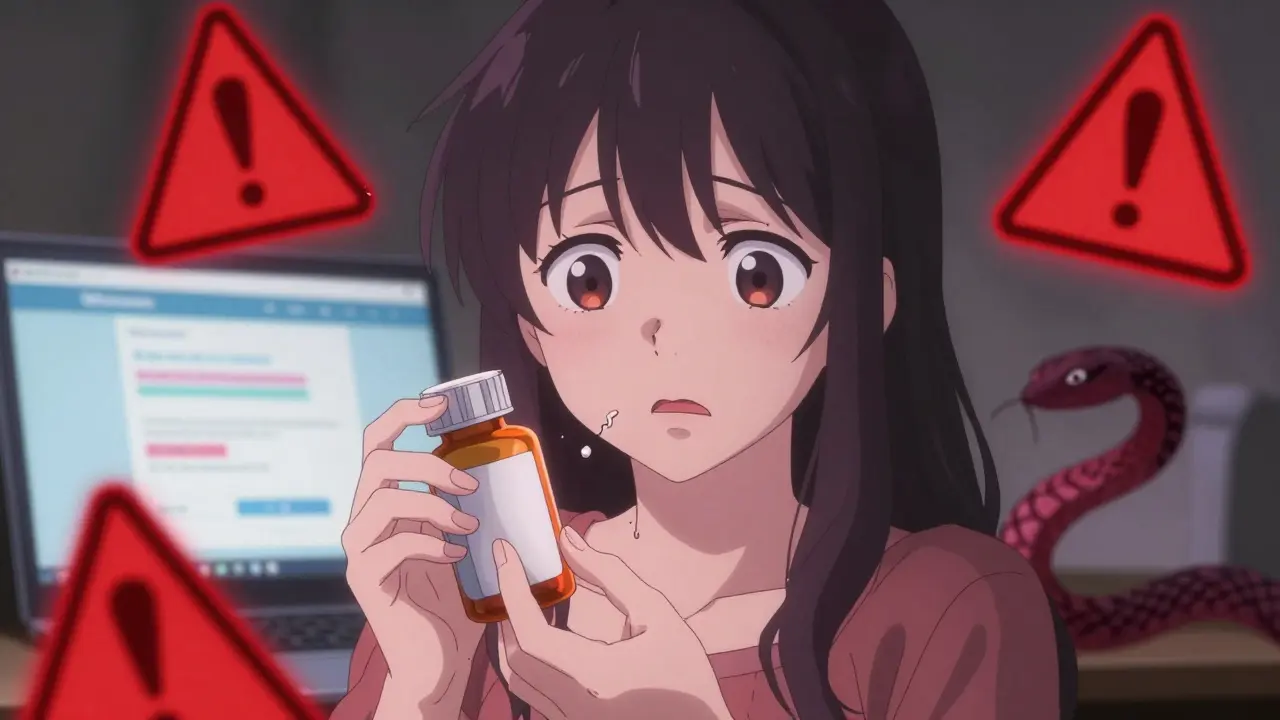
Every year, over a million people die because of fake medicines. These aren’t just bad luck stories-they’re preventable tragedies. Counterfeit medications look real. They have the right color, shape, and even branding. But inside? They might have no active ingredient, too much, or worse-poison. You could be holding a deadly pill in your hand and never know it.
What exactly is a counterfeit medication?
A counterfeit drug is any medicine that’s been deliberately and fraudulently mislabeled. It might say it’s OxyContin, Xanax, or Mounjaro-but it’s not. It could be made in a basement lab with no sterile conditions, no quality control, and no oversight. Some contain chalk, rat poison, or cement. Others have the right drug but the wrong dose-enough to kill you, or not enough to help.
The World Health Organization separates fake medicines into two types: substandard (poorly made or stored) and falsified (deliberately fake). Both are dangerous. The FDA says counterfeit drugs are often made to look identical to real ones. That’s why you can’t rely on looks alone.
Warning signs you’re holding a fake pill
Most people don’t realize their medicine is fake until something goes wrong. But there are clues-if you know what to look for.
- Changed appearance: Your pills used to be small, white, and round. Now they’re larger, yellow, and have a weird mark? That’s a red flag.
- Wrong packaging: The box feels flimsy. The label has blurry text, misspelled words, or mismatched fonts. The lot number is missing, or the expiration date looks scratched out.
- Strange taste or smell: If your pill tastes bitter, metallic, or smells odd-especially compared to what you’ve taken before-stop using it.
- Unusual side effects: Did you suddenly feel dizzy, nauseous, or have a rash after taking a pill you’ve used before? That could mean the ingredients changed.
- Too cheap: If you bought a brand-name drug like Ozempic or Zepbound for half the price online, it’s almost certainly fake. Legitimate pharmacies don’t slash prices like that.
- No prescription or pharmacy info: A legitimate pharmacy requires a valid prescription and includes their name, address, and phone number on the label. If it’s missing? Walk away.
Pfizer’s experts say real pills are factory-made. That means smooth edges, consistent color, and no cracks or powder residue. If your tablet looks crumbly, bubbled, or moldy? It’s not medicine-it’s a hazard.
Where counterfeit drugs come from
You might think fake pills only come from shady websites. But the threat has evolved.
According to the DEA, criminal networks now use social media and encrypted apps like Telegram and WhatsApp to sell fake prescription pills directly to consumers. These aren’t just random sellers-they’re organized gangs using real-looking ads and fake pharmacy logos.
The FDA found counterfeit versions of Muro 128 eye ointment and, more recently, Ozempic pens in U.S. pharmacies. Even injectable weight-loss drugs like Mounjaro and Zepbound are being faked. These are complex biologic products. Making them look real takes advanced skills-and it’s happening.
The National Association of Boards of Pharmacy (NABP) found over 10,000 illegal online pharmacies. Many look professional. They have secure-looking websites, SSL certificates, and even fake “verified” badges. But they don’t require prescriptions. They ship from overseas. And they don’t answer when you call.
How to protect yourself
You can’t spot every fake pill. But you can drastically reduce your risk.
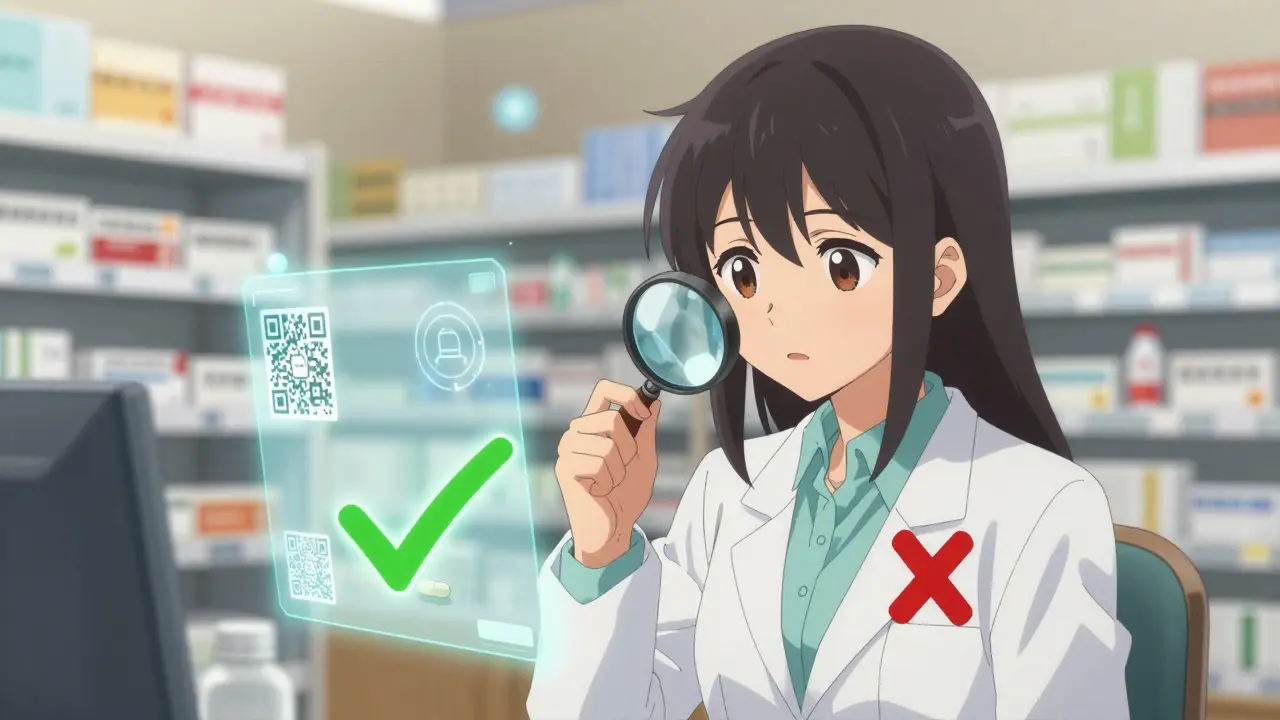
- Only use licensed pharmacies: In Australia, that means a pharmacy registered with the Therapeutic Goods Administration (TGA). In the U.S., look for the VIPPS seal from the NABP. This means the pharmacy is licensed, requires prescriptions, and follows safety rules.
- Never buy from unknown websites: If you found the pharmacy through a Google ad, social media post, or pop-up, it’s not safe. Legitimate pharmacies don’t advertise like that.
- Check your prescription label: Compare it to past fills. Does the pill look different? Does the label have the same pharmacy name and phone number? If not, ask your pharmacist.
- Talk to your pharmacist: Pharmacists are trained to spot fakes. If something feels off, ask them. They’ll check the batch, compare it to records, and even contact the manufacturer.
- Don’t take pills from friends: Even if someone says it’s “just like my prescription,” it might not be. Fake pills are often sold as “generic” versions or sold as extras.
- Report suspicious products: If you think you’ve been given a fake drug, contact your pharmacy, doctor, or local health authority. In Australia, report to the TGA. In the U.S., use the FDA’s MedWatch system. Reporting helps track outbreaks.
Pfizer says if you have a pill with a lot number and suspect it’s fake, call the company. They can check if that number was ever assigned. It’s not a waste of time-it’s a lifesaver.
Why online pharmacies are so dangerous
Not all online pharmacies are bad. But the ones that are, are terrifyingly convincing.
The FDA says a legitimate U.S. pharmacy must:
- Be licensed in the state where it operates
- Require a valid prescription
- Have a physical address and phone number
- Be inspected by state regulators
Most fake sites skip all of this. They’re based overseas. They don’t require prescriptions. They accept cryptocurrency. And they ship pills that could be toxic.
Even worse? Some fake sites copy the exact layout of real ones. You might think you’re on CVS or Walgreens. But the URL is slightly off-like “cvs-pharmacy.com” instead of “cvs.com.” Always double-check the web address.
What to do if you’ve taken a fake drug
If you suspect you’ve taken a counterfeit medication:
- Stop taking it immediately.
- Save the packaging, pill, and receipt.
- Contact your doctor or go to the emergency room if you feel unwell.
- Report it to your country’s health authority.
Don’t wait. Fake pills can cause organ damage, overdose, or long-term health problems-even if you felt fine at first.
The bigger picture
This isn’t just about one bad pill. It’s about a broken system. Global supply chains are long. Regulations vary. Criminals exploit gaps. And the demand is growing-for painkillers, weight-loss drugs, mental health meds.
Pharmaceutical companies are fighting back with track-and-trace systems, holograms, and digital serialization. The U.S. Drug Supply Chain Security Act now requires every package to have a unique digital code by 2023. But that only helps if you’re buying from a legitimate source.
Until every pharmacy, every country, and every online seller follows the same rules, the risk stays high. Your best defense? Know the signs. Stick to trusted sources. And never assume a pill is safe just because it looks right.
Can you tell if a pill is fake just by looking at it?
Sometimes-but not always. Counterfeiters have gotten very good at copying packaging, colors, and shapes. Some fakes are identical to the real thing. Experts say the only way to be 100% sure is lab testing. But you can spot red flags: unusual taste, wrong size, spelling errors, missing lot numbers, or sudden side effects. If anything feels off, stop using it and talk to your pharmacist.
Are online pharmacies always illegal?
No-but many are. Legitimate online pharmacies require a valid prescription, are licensed in your state or country, and have a physical address and phone number. Look for the VIPPS seal (U.S.) or equivalent certification in your country. If a site doesn’t ask for a prescription, ships from overseas, or has a suspicious URL, it’s likely illegal. Never buy from sites you found through social media ads or pop-ups.
What should I do if I bought a fake drug?
Stop using it immediately. Save the packaging and any receipts. Contact your doctor or pharmacist to discuss any symptoms. Then report it to your country’s health authority-like the TGA in Australia or the FDA in the U.S. Reporting helps track outbreaks and protects others. Don’t throw it away-authorities may need to examine it.
Why are fake weight-loss drugs like Ozempic and Mounjaro so common?
These drugs are in high demand and expensive. That makes them a prime target for counterfeiters. Fake versions often contain no active ingredient, or dangerous substitutes like insulin or other unapproved chemicals. The FDA and WHO have issued alerts about falsified versions circulating since 2024. If you’re buying these drugs online for a fraction of the price, you’re at serious risk.
Can my pharmacist help me check if my medicine is real?
Yes. Pharmacists are trained to spot counterfeit drugs. They can compare your medication to records, check batch numbers, and even contact the manufacturer. If you notice a change in appearance, taste, or packaging-tell them. They’ll investigate. It’s part of their job. Don’t hesitate to ask.
Chris Bird
This is wild. Fake pills everywhere. People die for this. Why ain't the government doing more? They let these scams happen on the internet like it's no big deal. It's a disaster waiting to happen.