
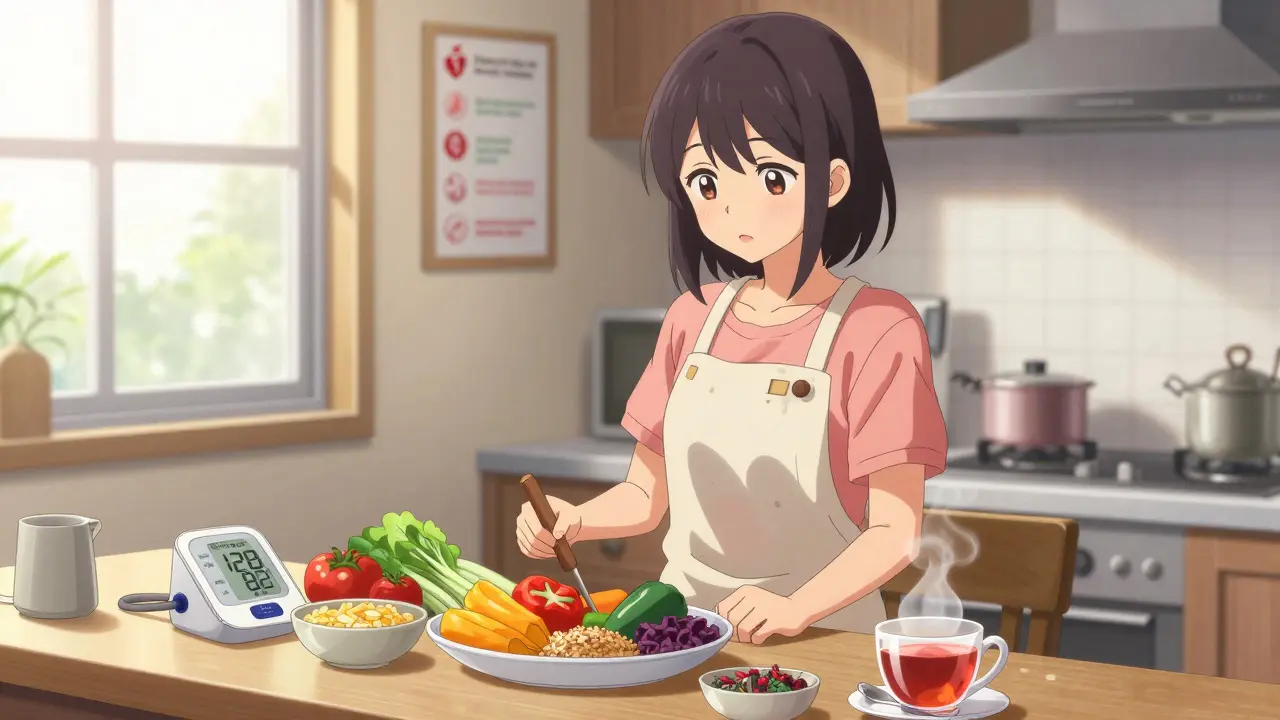
High blood pressure doesn’t announce itself with symptoms. It just creeps up-until it’s already damaged your heart, kidneys, or brain. That’s why managing it isn’t optional. It’s survival. And the good news? You don’t have to choose between pills and natural approaches. You can do both-safely and effectively.
What Hypertension Really Means
Hypertension isn’t just a number on a machine. It’s when your systolic pressure stays above 130 mm Hg or your diastolic stays above 80 mm Hg. That’s the threshold set by the American Heart Association in 2017. Globally, over 1.28 billion adults live with this condition. And while many think of it as something you just take medicine for, the real power lies in combining lifestyle changes with medication.
Lowering your blood pressure by just 5 mm Hg systolic cuts stroke risk by 14%, heart disease by 9%, and overall death risk by 7%. That’s not a small win. That’s life-changing.
Medications: The Fast Track to Control
When your blood pressure is consistently high, doctors turn to proven drugs. First-line options include ACE inhibitors, ARBs, calcium channel blockers, and diuretics. These aren’t experimental. They’ve been tested in millions of people over decades.
For example, amlodipine, a common calcium channel blocker, can drop systolic pressure by 20-25 mm Hg in just a few weeks. That’s powerful. Medications work fast-often showing results within 2 to 4 weeks. They’re essential for people with stage 2 hypertension (140/90 or higher) or those with existing heart disease, diabetes, or kidney problems.
But they come with trade-offs. In 2022 alone, over 1,200 serious side effects from blood pressure medications were reported to the NIH. Dizziness, fatigue, dry cough, electrolyte imbalances-these aren’t rare. That’s why many people look for ways to reduce their reliance on pills, not replace them.
Natural Strategies That Actually Work
Natural doesn’t mean weak. It means science-backed, low-risk, and sustainable. Here are the top six natural approaches with solid evidence:
- The DASH Diet: Developed by the National Heart, Lung, and Blood Institute, this isn’t just a diet-it’s a full eating plan. It focuses on vegetables, fruits, whole grains, lean proteins, and low-fat dairy. Cut out processed foods, sugary drinks, and excess salt. When followed strictly for 30 days, it lowers systolic pressure by 8-14 mm Hg. That’s as effective as many single-drug regimens.
- Sodium Reduction: The average American eats 3,400 mg of sodium a day. The target? 1,500 mg. Cutting down by even half can drop systolic pressure by 5-6 mm Hg. Swap salt for herbs, read labels, and avoid canned soups, deli meats, and frozen meals.
- Coenzyme Q10: This antioxidant, naturally made in your body, drops systolic pressure by 11-17 mm Hg at doses of 100-225 mg daily. It’s especially helpful if you’re on statins, which deplete CoQ10. Take it with a fatty meal-it needs fat to absorb.
- Garlic (Aged Extract): Aged garlic extract at 600-1,200 mg daily reduces systolic pressure by 7-10 mm Hg in stage 1 hypertension. It’s not raw garlic. You need the processed form. But be careful: garlic can thin your blood. If you’re on warfarin or aspirin, talk to your doctor.
- Hibiscus Tea: Three to four cups daily of hibiscus tea (Hibiscus sabdariffa) can lower systolic pressure by 7.2 mm Hg in six weeks. One Reddit user saw their BP drop from 148 to 135 in six weeks. It’s affordable, tasty, and works like a mild ACE inhibitor.
- Magnesium: At 368 mg daily, magnesium lowers systolic pressure by 2 mm Hg and diastolic by 1.8 mm Hg. Magnesium glycinate is the best form-it’s gentle on the stomach and helps with leg cramps too.
These aren’t magic bullets. They take time. Most show results after 4-8 weeks. But they’re safe. Only 127 serious side effects from all supplements combined were reported in 2022-compared to over 1,200 from medications.

What Doesn’t Work (And What’s Dangerous)
Not all natural remedies are created equal. Some are harmless. Others are risky.
St. John’s wort, ephedra, yohimbine, and licorice root? They can raise your blood pressure. Licorice depletes potassium-dangerous if you’re on diuretics. Yohimbine can spike heart rate and cause panic attacks. A 2023 review found 68-82% of hypertensive patients who took these saw their numbers go up.
Hawthorn berry? Some people swear by it. But in Amazon reviews, 42% said it did nothing. It’s inconsistent. And it can amplify the effects of beta-blockers, leading to dangerously low blood pressure.
Don’t assume natural = safe. Always check with your doctor before starting any supplement, especially if you’re on medication.
How to Combine Natural and Medical Approaches
The smartest strategy? Use natural methods to support, not replace, your meds.
Take the SPRINT-2 trial, published in 2023. Patients who combined the DASH diet, daily exercise, weight loss, and reduced medication doses achieved the same blood pressure control as those on full doses-but with 32% fewer side effects. That’s the future of hypertension care.
Here’s how to do it:
- Start with the DASH diet and sodium reduction. These are foundational. No pill can replace them.
- Add 150 minutes of brisk walking, cycling, or swimming per week. That’s 30 minutes, five days a week. Exercise lowers pressure by 5-8 mm Hg.
- Consider CoQ10 or magnesium if you’re on statins or have muscle cramps.
- Drink hibiscus tea daily. It’s easy, cheap, and effective.
- Use aged garlic extract if you’re comfortable with it-but never skip your prescribed meds.
- Track your progress. Use a home monitor. Write down your numbers weekly.
- Check in with your doctor every 4-6 weeks. They can adjust your meds based on your lifestyle changes.
One patient in Melbourne, 58, cut his lisinopril dose in half after six months of DASH, walking 30 minutes daily, and taking CoQ10. His BP stayed at 128/82. He didn’t stop his meds-he optimized them.
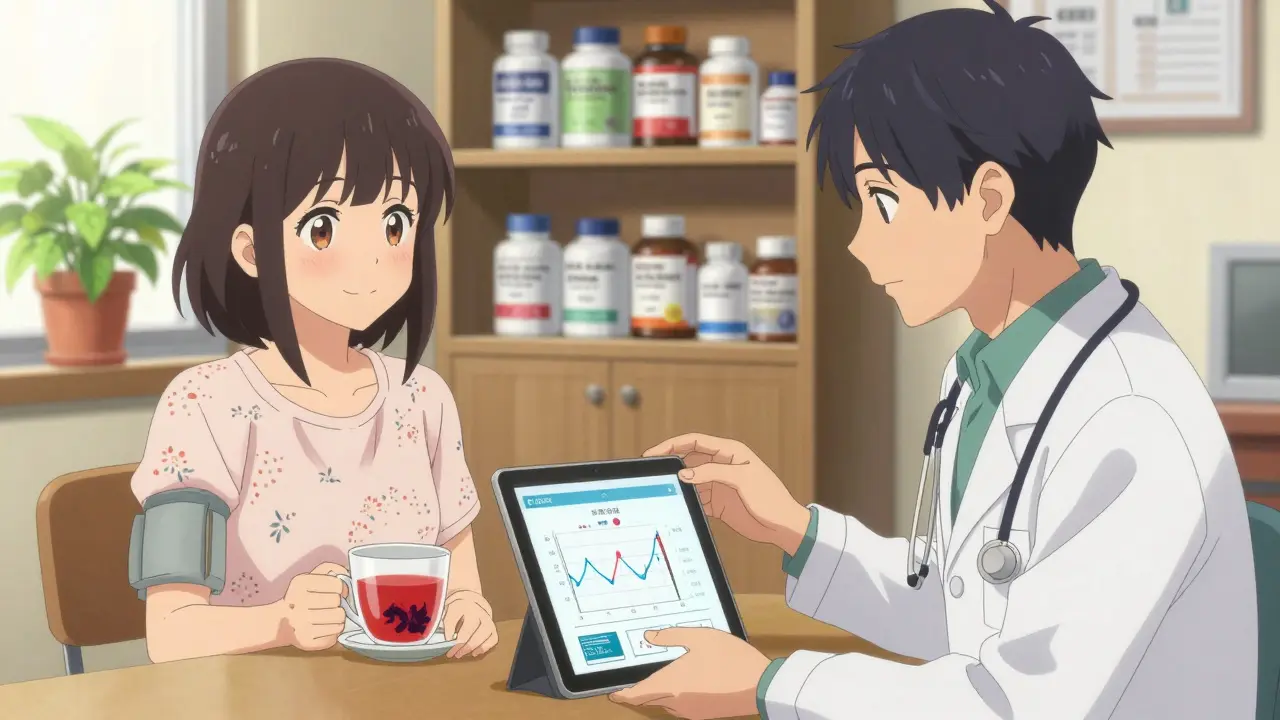
Common Mistakes and How to Avoid Them
People fail at natural hypertension management for the same reasons:
- Expecting instant results. Supplements take weeks. Lifestyle changes take months. Be patient.
- Skipping meds to try “natural cures”. This is dangerous. If your BP is above 140/90, natural methods alone won’t cut it.
- Not telling your doctor about supplements. 42% of supplement users don’t disclose usage. That’s how dangerous interactions happen.
- Buying random supplements off Amazon. Quality varies. Look for third-party tested brands (USP, NSF, or ConsumerLab certified).
- Ignoring weight loss. Losing 5-10% of your body weight can drop systolic pressure by 5-20 mm Hg. That’s more than any single supplement.
The Bigger Picture: Why This Matters Now
The global hypertension market is worth $32.7 billion. Natural approaches make up nearly $6 billion of that-and growing fast. Google searches for “natural blood pressure remedies” have jumped 147% since 2018. Amazon sales of hibiscus tea doubled between 2021 and 2023.
But regulation is lagging. The FDA has issued warning letters to 15 supplement makers for false claims. Only potassium, magnesium, and plant sterols have official health claims approved in Europe.
Insurance? Most plans still won’t cover nutrition counseling or meditation programs. But Medicare Advantage plans now cover digital therapeutics for hypertension in 67% of cases-up from 38% in 2020. That’s progress.
The American Medical Association’s 2024 guidelines now officially recognize seven natural interventions as complementary therapy. That’s a big deal. It means doctors are starting to see this as part of real care-not just alternative.
Final Thoughts: It’s Not Either/Or
Hypertension management isn’t about choosing between pills and herbs. It’s about using everything you have to protect your heart. Medications give you control. Lifestyle changes give you freedom.
You don’t need to be perfect. Just consistent. Eat more vegetables. Walk every day. Cut the salt. Drink hibiscus tea. Take your CoQ10 with dinner. And keep taking your prescribed meds unless your doctor says otherwise.
The goal isn’t to stop pills. It’s to need fewer of them. To live better. To avoid a stroke, a heart attack, or kidney failure.
That’s not just management. That’s empowerment.
Can I stop my blood pressure medication if I start natural remedies?
No. Never stop prescribed medication without your doctor’s approval. Natural strategies like the DASH diet, garlic, or CoQ10 can help lower your blood pressure, but they’re meant to support-not replace-medication. Stopping meds abruptly can cause dangerous spikes in pressure. If your numbers improve with lifestyle changes, talk to your doctor about possibly reducing your dose. But that decision must be made with medical supervision.
How long does it take for natural remedies to lower blood pressure?
Most natural approaches take 4 to 8 weeks to show measurable results. The DASH diet may show changes in as little as 14 days, but full benefits take 30 days. Supplements like CoQ10 and garlic need consistent daily use for at least a month. Hibiscus tea users often see drops after 6 weeks. This is slower than medications, which can work in 2-4 weeks, but the long-term safety profile is much better.
Which supplements are safest for high blood pressure?
The safest, most evidence-backed supplements are magnesium (368 mg daily), coenzyme Q10 (100-225 mg daily), and aged garlic extract (600-1,200 mg daily). Hibiscus tea is also low-risk and effective. Avoid supplements like licorice root, yohimbine, and ephedra-they can raise blood pressure. Always choose third-party tested brands (USP, NSF, or ConsumerLab) to ensure quality and avoid contaminants.
Can I use hibiscus tea with my blood pressure pills?
Yes, but with caution. Hibiscus tea works similarly to ACE inhibitors, so combining it with medications like lisinopril or losartan can cause your blood pressure to drop too low, leading to dizziness or fainting. Start with one cup a day and monitor your pressure closely. If you notice symptoms of low BP, reduce the tea or talk to your doctor about adjusting your medication dose.
Is the DASH diet hard to follow?
It’s easier than you think. The DASH diet doesn’t require special foods or calorie counting. Focus on eating more vegetables, fruits, whole grains, beans, nuts, and lean proteins. Reduce processed foods, sugary drinks, and salt. Start by swapping one meal a day-like replacing cereal with oatmeal and fruit, or chips with almonds. Gradual changes work better than drastic ones. Most people find it sustainable because it’s not a diet-it’s a healthier way of eating.
Does exercise really help lower blood pressure?
Yes, and it’s one of the most effective natural tools. Regular aerobic exercise-like brisk walking, cycling, or swimming-lowers systolic pressure by 5-8 mm Hg. You don’t need to run marathons. Just 30 minutes a day, five days a week, makes a difference. Even short 10-minute walks after meals help. The key is consistency. And unlike pills, exercise also improves mood, sleep, and weight control-all of which support better blood pressure.
Why do some people say supplements didn’t work for them?
Because they didn’t use them correctly. Many take low-quality supplements, skip doses, or expect overnight results. Others don’t combine supplements with diet and exercise. A study found that 68% of people who succeeded with natural approaches did so by combining multiple strategies-like DASH diet, walking, and CoQ10-not just one supplement. Also, genetics play a role. Some people respond better to magnesium; others to hibiscus. Trial and error with medical guidance is often needed.
Should I get my blood pressure checked at home?
Absolutely. Home monitoring gives you real data, not just a single reading at the doctor’s office. White coat hypertension (high BP at the clinic but normal at home) is common. Buy a validated upper-arm monitor (not wrist or finger). Take readings at the same time each day, sit quietly for 5 minutes first, and record the numbers. Bring the log to your doctor. It helps them see trends and adjust treatment accurately.
Ian Long
Man, I’ve been on amlodipine for 3 years and just started hibiscus tea last month. My BP dropped from 152/94 to 132/86 in 6 weeks. No dizziness, no fatigue-just better sleep and less brain fog. I still take my pill, but now I feel like I’m in control, not the other way around.
Also, swapped my morning cereal for oatmeal with flaxseed and berries. Crazy how simple changes add up.