Generic drugs are just as safe and effective as brand-name medications, but cost up to 85% less. Learn the facts behind common concerns like side effects, quality, and why generics work the same - backed by FDA data and real-world evidence.
Generic drugs save money, but their inactive ingredients can cause unexpected side effects. Learn what's in your pills and how to protect yourself if you're sensitive to fillers, dyes, or allergens.
Congress has introduced two bills to combat worsening drug and healthcare provider shortages, but both are stalled due to a historic government shutdown. Here’s what they aim to do-and why they’re not moving forward.
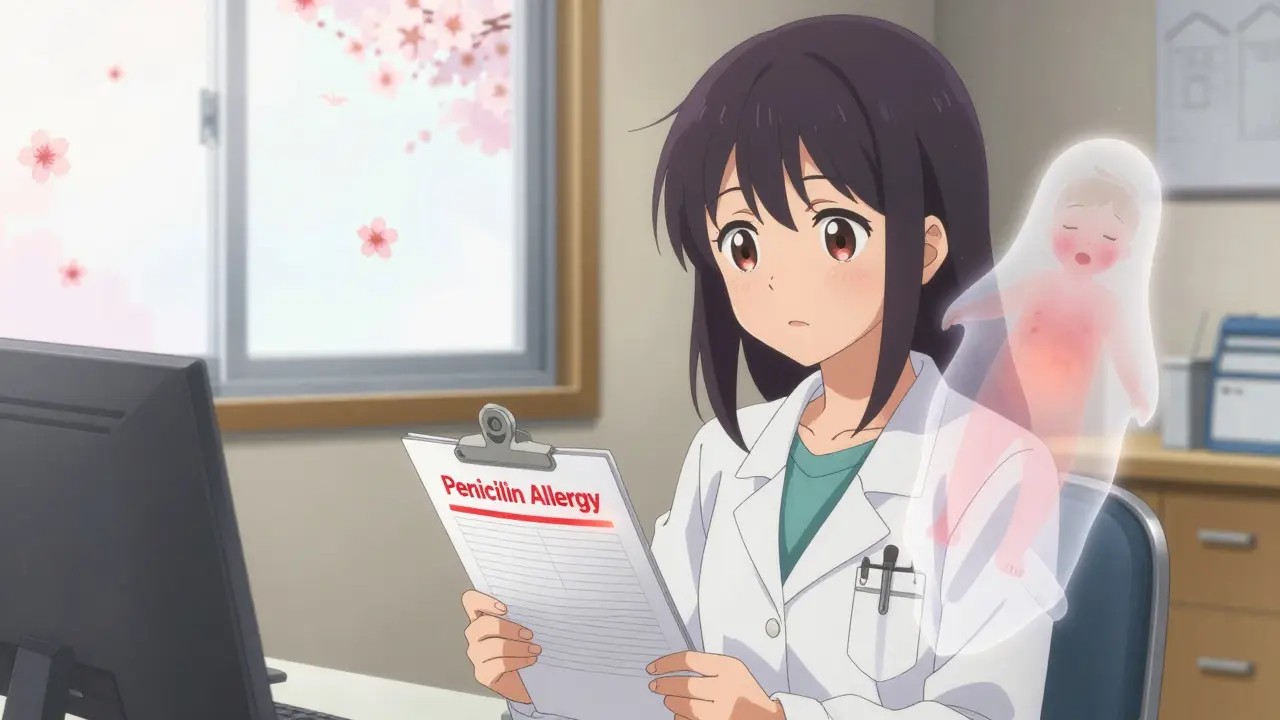
Many people think they're allergic to penicillin, but most aren't. Learn how to tell the difference between a true drug allergy and a side effect - and how testing can help you get safer, cheaper treatment.
Decision aids help patients and doctors make smarter choices when switching medications by showing clear risks, benefits, and personal trade-offs. They reduce confusion, improve adherence, and put patient values first.
Gout attacks are caused by high uric acid levels that form painful crystals in joints. Learn the triggers, how medications work, and why lifelong management is essential to prevent joint damage and recurring flares.
Learn how to talk to your doctor about medication side effects without getting overwhelmed. Discover what to ask, what they should tell you, and how to stay on track with your treatment.
Combining red yeast rice with statins can cause dangerous muscle damage and kidney failure. Learn why this supplement acts like a hidden statin and what safer alternatives exist.
Medication errors are a leading cause of hospital visits for older adults - but caregivers can prevent most of them. Learn practical steps to track doses, avoid dangerous interactions, and use tools like pill organizers and pharmacist reviews to keep loved ones safe.
Nebulizers and inhalers both deliver asthma and COPD meds, but which one works best? Learn why inhalers with spacers are faster, cheaper, and just as effective - and when nebulizers still make sense.