
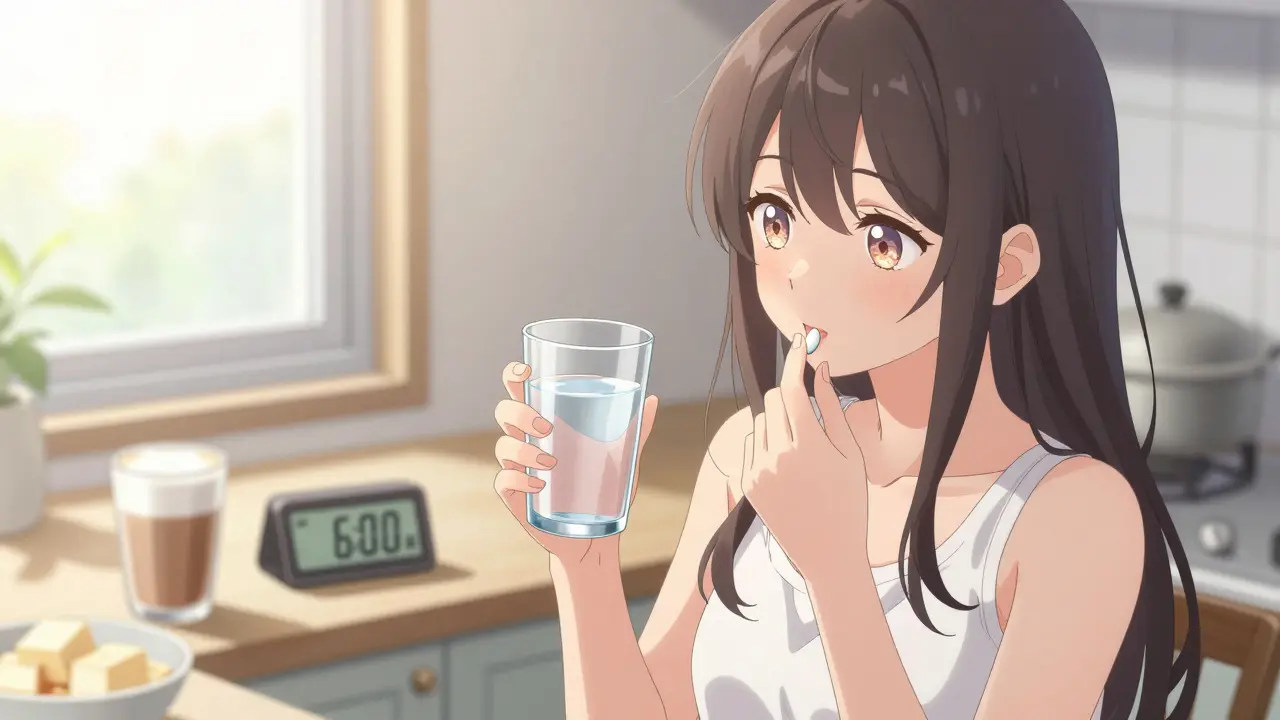
If you've recently switched to a plant-based diet or just love your morning soy latte, you might have noticed something strange with your thyroid labs. Many people discover that their TSH levels start creeping up despite taking their medication exactly as prescribed. The culprit isn't usually the soy itself making your thyroid worse, but rather how soy interacts with your medication in the gut. If you are taking levothyroxine absorption enhancers or inhibitors, understanding the timing of your meals can be the difference between feeling energized and feeling like you're dragging a weighted blanket through your day.
The core issue is that soy can act like a biological "sponge," soaking up your medication before your body has a chance to absorb it. This doesn't mean you have to give up tofu or edamame forever, but it does mean you need a strategy. By the end of this guide, you'll know exactly how to time your soy intake to keep your hormone levels stable.
The Science: Why Soy Interferes with Your Meds
To understand the interaction, we have to look at the chemistry. Levothyroxine is a synthetic version of the thyroid hormone T4 used to treat hypothyroidism. For it to work, it needs to be absorbed efficiently through the lining of your small intestine.
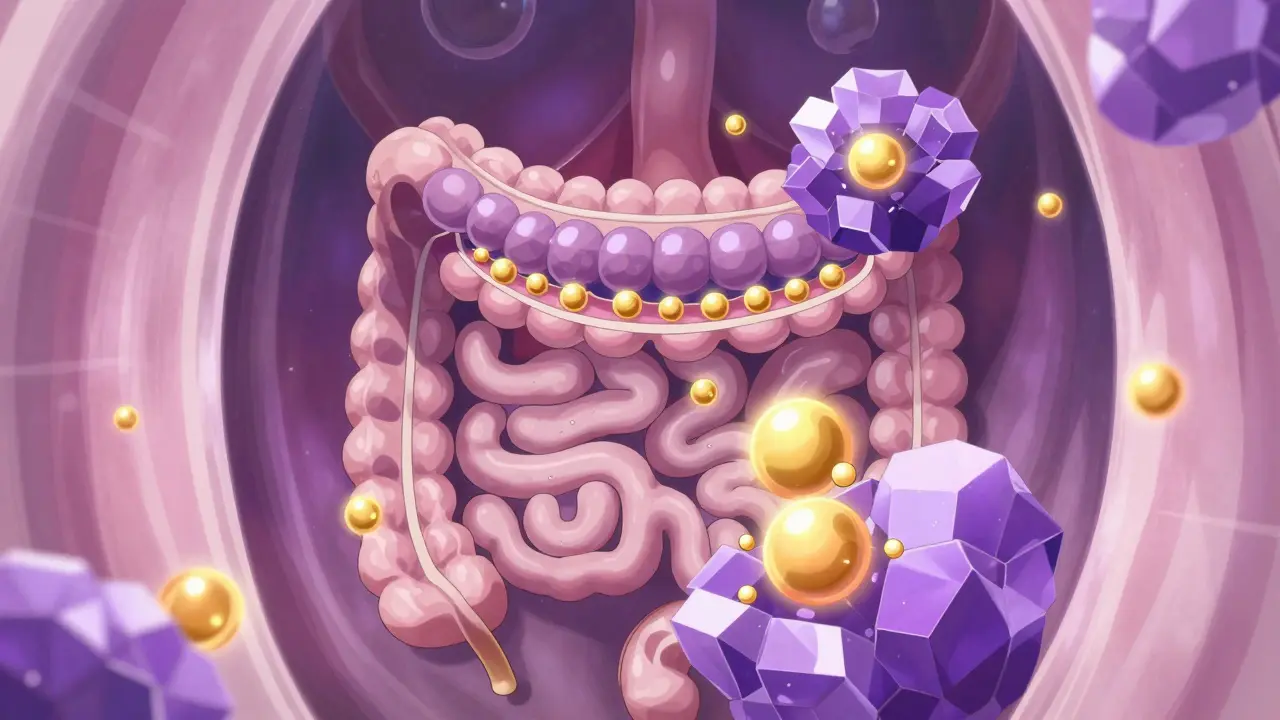
Enter Soy Isoflavones, which are plant compounds like genistein and daidzein found in soy products. These isoflavones have a tendency to bind to the medication in the digestive tract. When they bind, the levothyroxine essentially "sticks" to the soy proteins and passes through your system without ever entering your bloodstream.
Clinical data shows that this interference can reduce the bioavailability of your medication by anywhere from 9% to 30%. In some extreme cases, patients who drink soy protein shakes immediately after taking their pill have required dose increases of up to 200 μg just to maintain normal levels. While this isn't common for everyone, the risk is much higher for those who already have subclinical hypothyroidism or those who have been on treatment for several months.
Comparing Soy to Other Common Interference Agents
Soy isn't the only thing that messes with your thyroid medication. Many common foods and supplements fight for the same absorption pathways. To put soy in perspective, it's more disruptive than your morning coffee but generally less aggressive than certain mineral supplements.
| Substance | Estimated Absorption Reduction | Recommended Separation Time | Interference Level |
|---|---|---|---|
| Calcium Carbonate | 25% - 36% | 4 Hours | Highest |
| Iron Supplements | Significant | 4 Hours | High |
| Soy Products | 9% - 30% | 2 - 4 Hours | Moderate-High |
| Coffee | ~20% | 1 Hour | Moderate |
| Psyllium Fiber | ~9% | 2 Hours | Low-Moderate |
Practical Timing Strategies for Daily Life
You don't need to avoid soy; you just need to separate it. The goal is to create a "clear window" where your medication can enter your bloodstream without competition. Here are the two most effective ways to manage this.
The Morning Routine (The Standard Approach)
Most people take their medication first thing in the morning. To make this work with soy:
- Take your levothyroxine with a full glass of water on an empty stomach.
- Wait at least 60 minutes before eating anything or drinking anything other than water.
- Wait a full 3 to 4 hours before consuming high-soy foods like tofu or soy milk.
If you're an adult and only consuming moderate amounts of soy, recent research from the European Thyroid Journal suggests that a 2-hour gap might be enough to keep TSH changes clinically insignificant. However, for children or those with very unstable levels, the 4-hour rule is safer.
The Bedtime Strategy (The Alternative)
If you can't imagine a morning without your soy latte, consider moving your dose to bedtime. Some endocrinologists suggest taking the medication about 2 hours after your last meal. This naturally separates the medication from the soy-heavy meals you might have had during the day. Just be consistent-switching between morning and night can confuse your labs.
Not All Soy is Created Equal
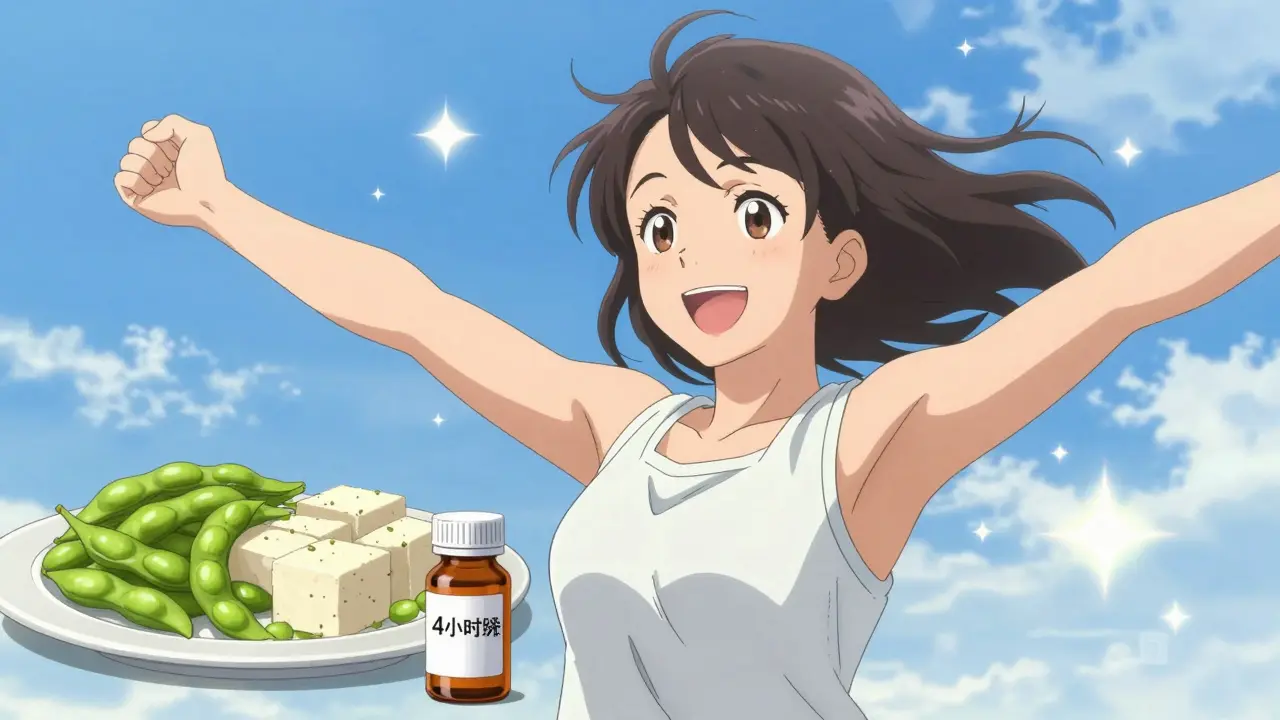
It is important to distinguish between whole foods and concentrated supplements. The form of soy you consume changes the level of risk. Whole soy foods-like Edamame and whole soy beans and Tofu, which is coagulated soy milk -tend to show stronger interference because of the protein structure.
On the other hand, isolated isoflavone supplements often have a weaker impact on TSH levels in people with normal thyroid function. However, if you are hypothyroid and relying on medication, the distinction matters less than the timing. Whether it's a splash of soy milk or a block of tofu, the 2-4 hour rule remains your best defense.
Red Flags: When to Call Your Doctor
How do you know if your soy intake is actually causing a problem? You can't "feel" a 10% drop in absorption immediately, but you can feel the cumulative effect. Keep an eye out for these signs:
- Returning Symptoms: You start feeling fatigued, cold, or experiencing brain fog despite taking your pills.
- Skin and Hair Changes: Dry skin or thinning hair that seemed to have improved.
- Lab Shifts: Your TSH (Thyroid Stimulating Hormone) levels begin to rise, while your free T4 levels dip.
If you notice these, don't just increase your dose. First, try implementing a strict 4-hour separation window for two weeks. If your symptoms improve or your labs stabilize, you've solved the problem without needing a higher dose of medication, which is often the safer clinical route.
Can I ever eat soy and take my medication at the same time?
It is strongly discouraged. Taking them simultaneously is when the absorption reduction is most severe (up to 30%). Even a small amount of soy milk in your morning coffee can block a significant portion of your dose.
Do I need to stop eating soy entirely if I have hypothyroidism?
No. There is no evidence that soy makes hypothyroidism worse or damages the thyroid gland itself. The issue is strictly about how the medication is absorbed in the gut. As long as you time your intake correctly, soy is perfectly safe.
How long does it take for a soy-induced TSH spike to show up in tests?
It usually isn't immediate. While some people see changes quickly, many experience a gradual rise in TSH over 3 months of consistent soy consumption if they aren't separating it from their meds.
Is soy protein powder worse than tofu?
Generally, yes. Highly concentrated soy protein cocktails or shakes can cause a more dramatic drop in bioavailability because of the high density of proteins that bind to the hormone.
Should I tell my doctor about my soy intake?
Yes. Your endocrinologist needs to know if you have a soy-heavy diet so they can determine if a high TSH reading is due to an incorrect dose or simply a timing issue with your diet.
Next Steps and Troubleshooting
If you're feeling overwhelmed, start with one simple change: The 3-Hour Gap. For the next month, ensure no soy enters your system until 3 hours after your medication. This is the "golden rule" that satisfies most clinical guidelines from the Mayo Clinic and the American Thyroid Association.
For those following a strict vegan diet, you might find it easier to swap soy milk for almond or oat milk during the morning hours and save your soy-based proteins for dinner. If you absolutely must have soy in the morning, talk to your doctor about switching your medication time to bedtime-just make sure you're consistent with it every single night.
Nikolai Mortenson
Hello, my name is Nikolai Mortenson, and I am a dedicated expert in the field of pharmaceuticals. I have spent years studying and researching various medications and their effects on the human body. My passion for understanding diseases and their treatments has led me to become a prolific writer on these topics. I aim to educate and inform people about the importance of proper medication usage, as well as the latest advancements in medical research. I often discuss dietary supplements and their role in health maintenance. Through my work, I hope to contribute to a healthier and more informed society. My wife Abigail and our two children, Felix and Mabel, are my biggest supporters. In my free time, I enjoy gardening, hiking and, of course, writing. Our Golden Retriever, Oscar, usually keeps me company during these activities. I reside in the beautiful city of Melbourne, Australia.
view all postsWrite a comment