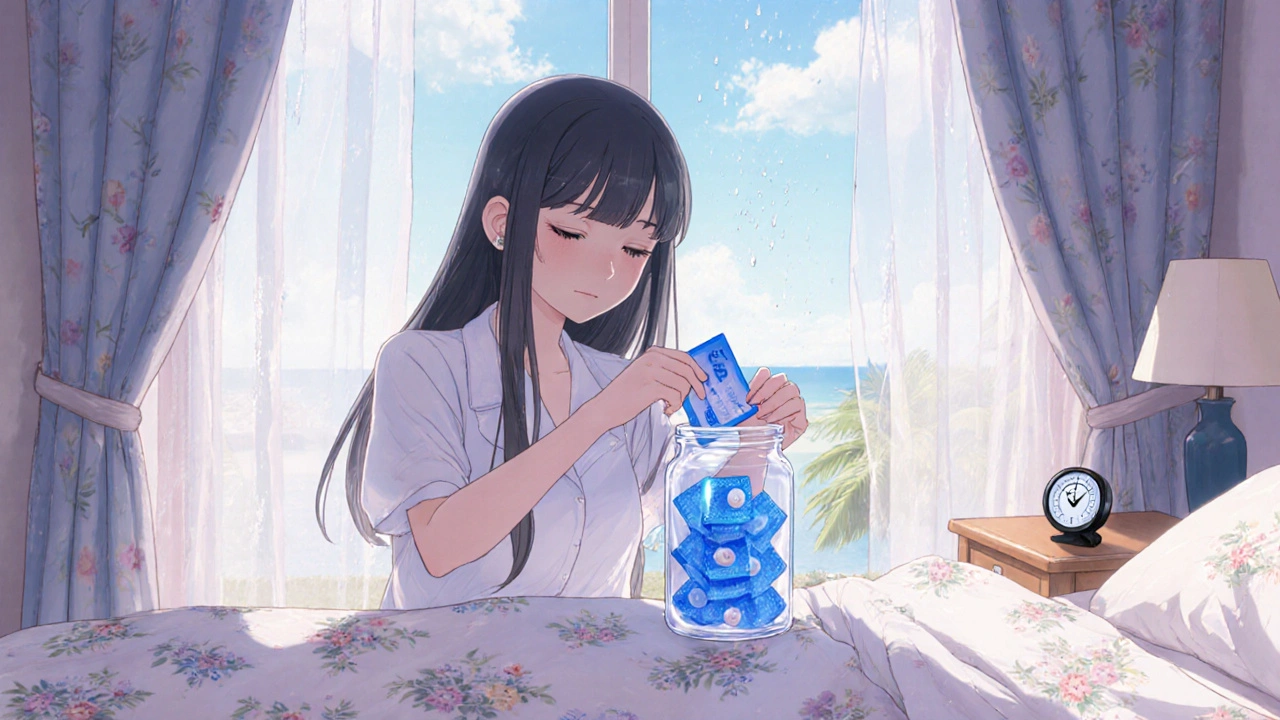
When you open a pill bottle and find a little packet labeled desiccant, a substance that absorbs moisture to protect products from humidity damage. Also known as drying agent, it’s not trash — it’s critical for keeping your medicine safe and effective. Most people toss it out without thinking, but that little packet is doing heavy lifting: it stops moisture from breaking down active ingredients, clumping powders, or making capsules stick together. Without it, your pills could lose potency, turn gummy, or even grow mold.
Desiccants for medicine aren’t just in pill bottles. You’ll find them in blister packs, vials of injectables, eye drop containers, and even some over-the-counter supplements. They’re especially vital for drugs that are sensitive to humidity — like antibiotics, thyroid meds, or insulin pens. A single dose of degraded medication won’t just be less effective — it could be dangerous. For example, if your blood pressure pill loses strength because of moisture, your readings could spike without warning. That’s why pharmacies and manufacturers use silica gel, molecular sieves, or clay-based desiccants that pull water out of the air inside sealed packaging.
But desiccants don’t work if you store your meds wrong. Keeping them in the bathroom? That’s a moisture trap. Leaving bottles open? You’re letting humidity in. Even clear plastic containers can let in light and moisture over time. The best practice is simple: keep medicines in their original packaging, store them in a cool, dry place like a bedroom drawer, and never remove the desiccant unless the bottle is completely empty. Some people even use airtight containers with extra desiccant packs for long-term storage of backup meds.
And it’s not just about pills. Eye drops, liquid suspensions, and even transdermal patches rely on moisture control. A single drop of water in a vial of eye drops can introduce bacteria or change the concentration. That’s why many manufacturers use amber glass bottles with desiccant-lined caps — they block light and humidity at the same time. If you’ve ever noticed a cloudy or discolored eye drop, it’s likely due to moisture exposure, not age.
Desiccants for medicine are a quiet hero in pharmaceutical safety. They don’t make headlines, but they prevent thousands of avoidable failures every year. Whether you’re managing chronic illness, traveling with meds, or storing emergency supplies, understanding how moisture affects your drugs makes you a smarter, safer patient. Below, you’ll find real-world guides on how to store light-sensitive meds, handle drug shortages, read FDA labels, and more — all rooted in the same principle: keeping your medicine exactly as it was meant to be.