
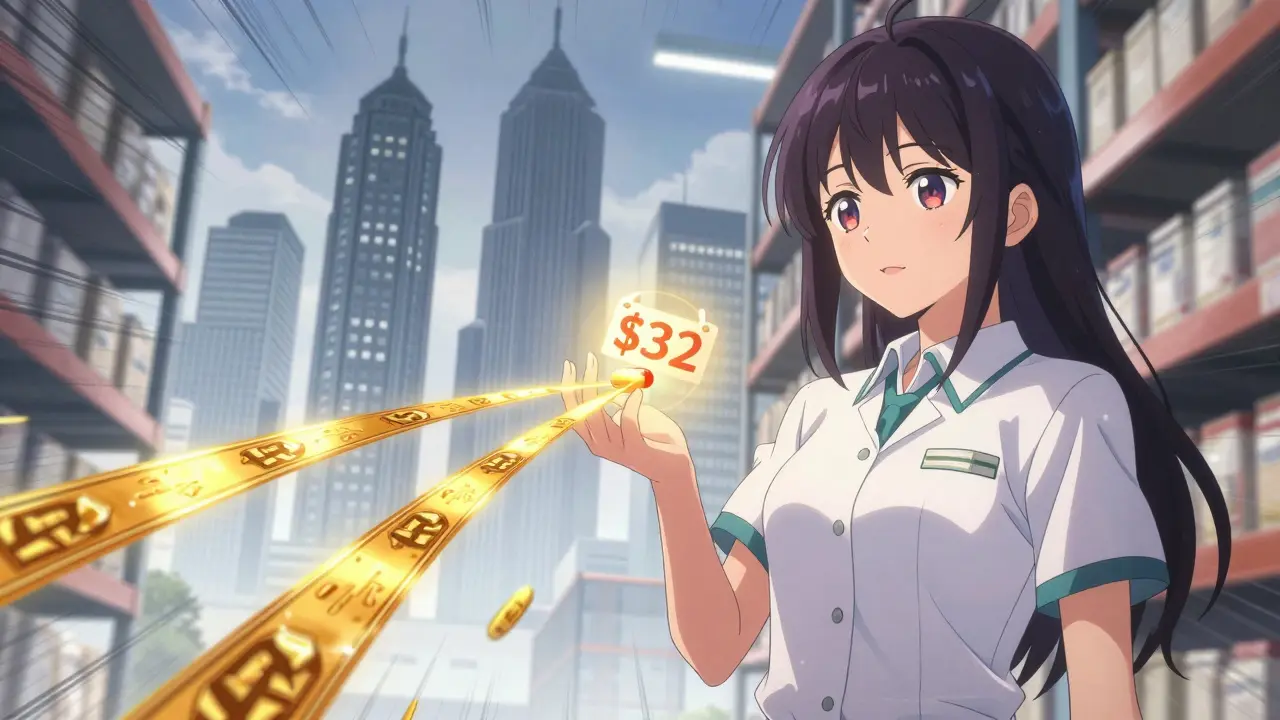
When you buy a generic pill at the pharmacy, you might think the price is set by the manufacturer. But the real story happens behind the scenes - in the hands of a few giant distributors who control how drugs move from factory to shelf. In 2023, just three companies - AmerisourceBergen, Cardinal Health, and McKesson - handled 85% of all generic pharmaceutical distribution in the U.S. And here’s the twist: even though generics make up over 90% of prescriptions filled, they only bring in about 9% of total revenue for these wholesalers. Yet they generate 56% of the wholesalers’ total gross profits.
Why Generic Drugs Are a Goldmine for Wholesalers
Branded drugs cost more upfront. That’s obvious. But the real profit engine in pharmaceutical distribution isn’t the expensive brand-name pills - it’s the cheap generics. Why? Because manufacturers of generic drugs are forced to slash prices to win contracts with big wholesalers. With dozens of companies making the same drug, competition is brutal. So they bid lower, sometimes below cost, just to get shelf space.
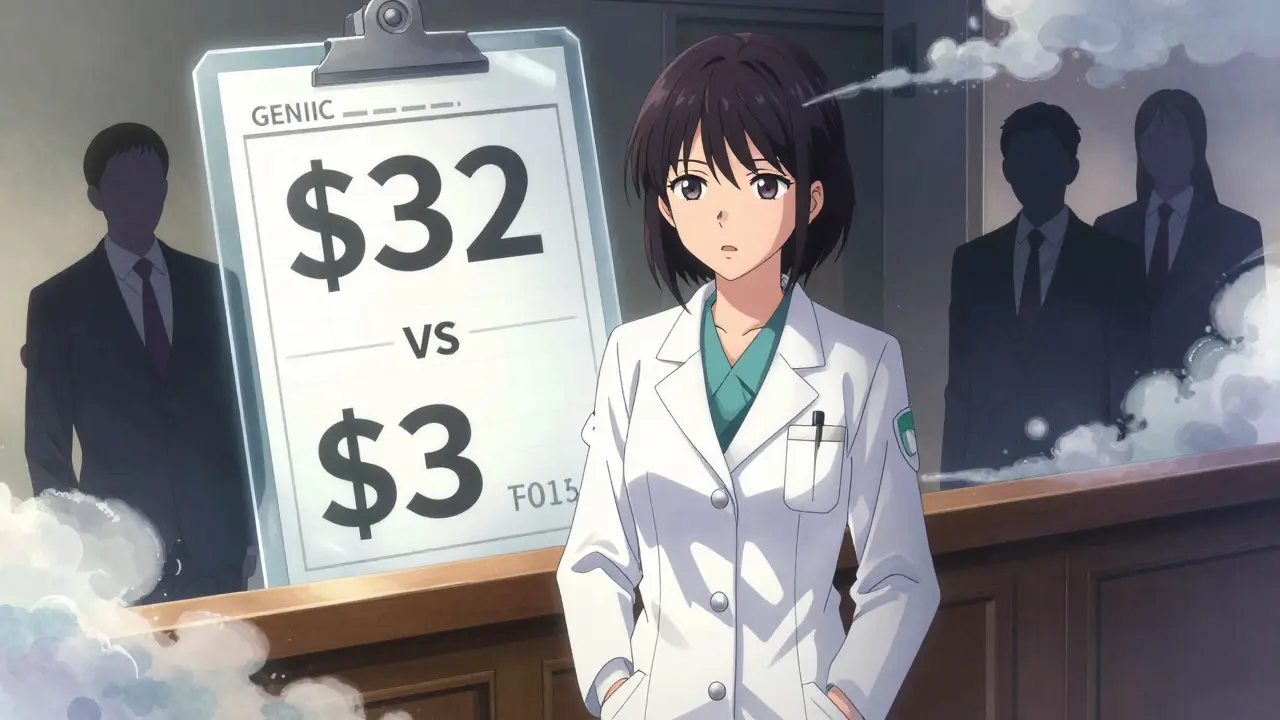
Wholesalers, on the other hand, don’t compete on price the same way. They’re the middlemen with all the leverage. They buy generic drugs at rock-bottom prices, then sell them to pharmacies at a markup that’s often 11 times higher than what they make on branded drugs. For every $3 profit on a branded drug, they make $32 on a generic. Pharmacies make nearly the same - $32 versus $3.
This isn’t a fluke. It’s a structural advantage. Generic manufacturers have no brand loyalty, no patents, no marketing muscle. Wholesalers know this. So they demand deeper discounts. And because they control the supply chain, they can afford to wait. If one maker won’t play ball, another will.
The Tiered Pricing Game
Wholesalers don’t just charge a flat price. They use tiered pricing to push pharmacies into buying more. It’s simple: buy 100 units, get 10% off. Buy 500, get 20% off. The math looks like this:
- Under 100 units: $10 per pill
- 100-499 units: $8 per pill
- 500+ units: $7 per pill
Why? Because bulk orders mean lower handling costs per unit. But it’s also a trap. Pharmacies, especially small ones, get locked in. They order more than they need just to hit the discount tier. That ties up cash and fills storage space. Meanwhile, wholesalers move inventory faster and lock in profits.
Shipping costs are baked into this too. If a pill costs $10 to make and $2 to ship, the wholesaler won’t sell it for $12 and call it a day. They’ll price it at $14 to cover overhead, then drop it to $12.50 if you hit the 100-unit threshold. The discount looks like a win for the pharmacy - but the wholesaler still walks away with a 30-40% margin.
Who Makes the Real Money?
Here’s a breakdown of where the profits actually land:
| Entity | Generic Drug Profit | Branded Drug Profit | Profit Multiplier (Generic/Branded) |
|---|---|---|---|
| Manufacturer | $18 | $58 | 0.3x |
| Wholesaler | $32 | $3 | 11x |
| Pharmacy | $32 | $3 | 12x |
| PBM | $28 | $7 | 4x |
Notice something? The manufacturer makes less on generics - but the people downstream make way more. Wholesalers and pharmacies earn nearly ten times more profit per unit on generics than on branded drugs. That’s not a coincidence. It’s the result of a system designed to favor intermediaries.
Manufacturers of branded drugs have pricing power because of patents and marketing. They can set high list prices and still sell. Generic makers can’t. So they compete on price - and lose. Wholesalers win by default.
How Prices Really Get Set
There are four main pricing strategies used in generic wholesale:
- Cost-plus pricing - Add a fixed markup to production and shipping costs. Simple, but ignores market pressure.
- Market-based pricing - Match what competitors charge. Keeps you in the game but erodes margins.
- Value-based pricing - Charge more if the drug treats a rare condition or has no substitutes. Rare in generics, but happens during shortages.
- Tiered pricing - Volume discounts to lock in bulk buyers. The most common and most profitable.
Most wholesalers rely on tiered pricing. It’s not about fairness. It’s about control. The bigger the order, the more locked in the pharmacy becomes. And when a pharmacy depends on a single wholesaler for 80% of its inventory, they’re not going to switch just because the price went up by $0.10.
Shortages Change Everything
For years, generic drug prices kept falling. In 2021 and 2022, deflation was the norm. But in 2023, things flipped. Drug shortages started popping up - not because of lack of raw materials, but because manufacturers stopped making certain generics. Why? Because the price was too low to cover costs.
When a drug becomes scarce, wholesalers can suddenly charge more. Not because they want to - but because pharmacies have no choice. A hospital can’t operate without a critical antibiotic. A patient can’t wait for a blood pressure pill. So prices spike. And wholesalers pocket the difference.
This is what the Commonwealth Fund called “price manipulation through scarcity.” It’s not illegal. It’s just how the system works. One study found that when a single generic drug went out of stock, its price jumped 300-500% within six months. Wholesalers didn’t cause the shortage - but they sure benefited from it.
Why This System Won’t Change Soon
There’s no shortage of criticism. Experts from the USC Schaeffer Center and the Drug Channels Institute have been warning for years that this model is unsustainable. The profit imbalance is too extreme. Wholesalers make 11 times more on generics than on branded drugs. Pharmacies make 12 times more. Meanwhile, manufacturers are squeezed out.
But change is slow. Why? Because the Big Three own the infrastructure. They have warehouses, trucks, software systems, and contracts with thousands of pharmacies. New entrants can’t compete. Even if a startup tries to offer better prices, pharmacies won’t switch - they’re afraid of supply disruptions.
Regulators have looked into it. The Federal Trade Commission has investigated. But breaking up the Big Three? That’s a legal nightmare. And even if they did, the market would likely just consolidate around new giants.
The real solution? More transparency. If pharmacies knew exactly how much wholesalers paid for each drug, they could negotiate better. If patients knew the real cost of their pills, public pressure would rise. But right now, the system is designed to keep those numbers hidden.
What This Means for You
If you’re a pharmacist, you’re caught in the middle. You want to keep prices low for your patients, but you also need to stay profitable. The tiered pricing system pushes you to buy more than you need. The shortages force you to pay more when you can’t afford it.
If you’re a patient, you’re paying the price - literally. The $5 generic you pick up at the pharmacy doesn’t reflect what the manufacturer got paid. It reflects what the wholesaler decided to charge after factoring in their 30-50% margin.
If you’re a policymaker, the path forward is clear: force disclosure. Require wholesalers to report what they pay manufacturers and what they charge pharmacies. Let the market see the margins. Then let competition do the rest.
For now, the system works - for the few who control it. Everyone else just pays the bill.
Thomas Anderson
This is wild. I had no idea generics were this profitable for middlemen. My $5 pill probably cost the manufacturer 20 cents.