
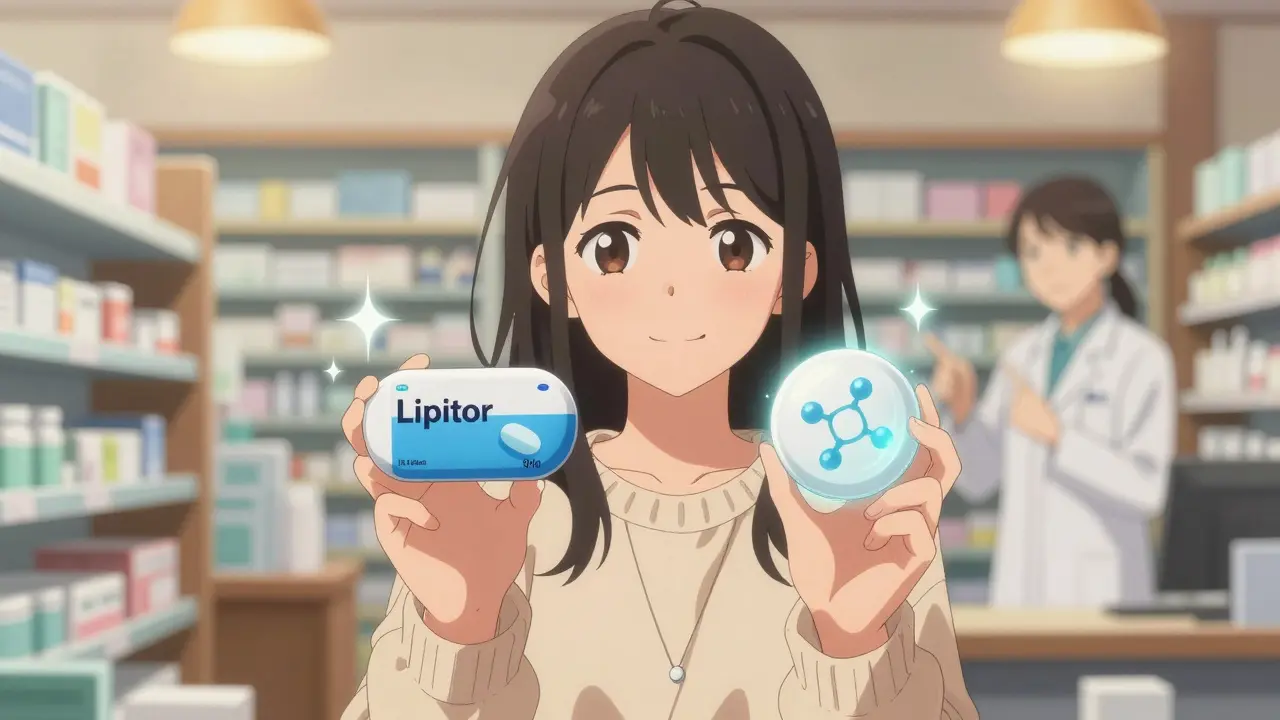
When your doctor prescribes a new medication, you might notice something different on the pharmacy label: the name isn’t the one you expected. Instead of lipitor, you’re handed atorvastatin. Instead of prozac, you get fluoxetine. If you’ve ever paused, wondering if this cheaper version is really the same, you’re not alone. Many patients have the same questions - and for good reason. Switching from a brand-name drug to a generic can feel like a leap into the unknown. But here’s the truth: in nearly every case, generic medications work just as well, are just as safe, and cost far less. Let’s cut through the noise and answer the most common concerns people have about generics.
Are generic drugs really the same as brand-name drugs?
The short answer is yes - when it comes to the active ingredient. A generic drug must contain the exact same active chemical as the brand-name version. That’s not a guess or a marketing claim. It’s a legal requirement enforced by the U.S. Food and Drug Administration (FDA). Before a generic drug can be sold, the manufacturer must prove it delivers the same amount of active ingredient into your bloodstream at the same rate as the original. This is called bioequivalence. The FDA requires that the generic’s absorption falls within 80% to 125% of the brand-name drug’s levels. That’s a tight range, and it’s backed by real testing - not theory.
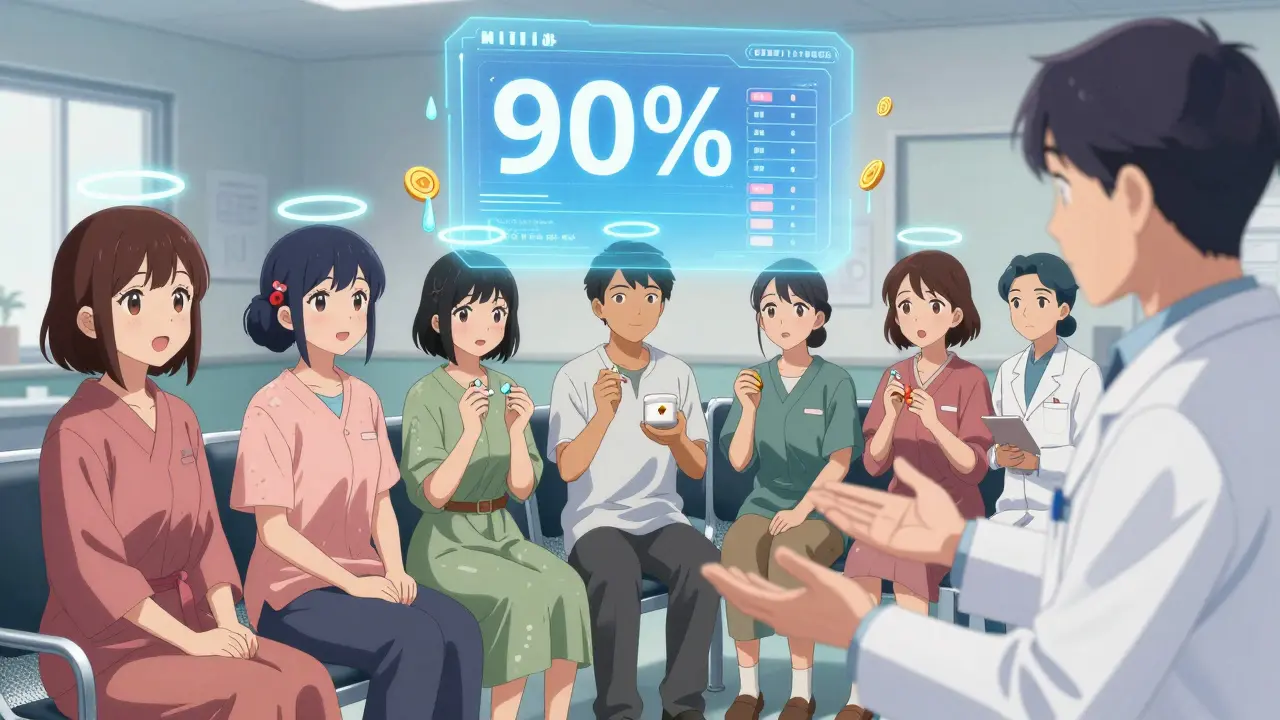
Think of it like two identical engines in different cars. One might have a red paint job and leather seats. The other is plain gray with cloth. But under the hood? Same fuel, same spark plugs, same power output. That’s what generics are. The FDA approves over 700 new generic drugs every year. In 2022 alone, 90% of all prescriptions filled in the U.S. were for generics. If they weren’t safe and effective, that number wouldn’t be possible.
Why do generic drugs look different?
If you’ve ever switched from a brand-name pill to a generic and noticed a different color, shape, or size, it’s not because the medicine changed. It’s because the inactive ingredients did. These are called excipients - things like fillers, dyes, or flavorings. They help the pill hold together, make it easier to swallow, or just make it look different. But they don’t affect how the drug works.
Brand-name companies trademark their pill’s appearance. Generic manufacturers can’t copy that look, so they design their own. That’s why your lipitor might be a blue oval, but your atorvastatin is a white round tablet. The active ingredient - atorvastatin - is identical. The FDA allows these differences because they don’t change how the drug behaves in your body.
Do generic drugs cause more side effects?
This is one of the most persistent myths. Some patients report feeling worse after switching - headaches, dizziness, nausea. But here’s what’s likely happening: it’s not the generic itself. It’s your body adjusting.
All medications - brand or generic - can cause side effects. Sometimes, when you switch from one version to another, even if the active ingredient is the same, your body reacts to slight changes in how the drug is absorbed. This is especially true for drugs with a narrow therapeutic index - like blood thinners (warfarin), thyroid meds (levothyroxine), or seizure drugs (phenytoin). For these, even a small change in absorption can matter. That’s why doctors often monitor blood levels closely when switching.
But for the vast majority of drugs - antibiotics, blood pressure pills, antidepressants, statins - side effects don’t increase with generics. A 2014 study of 753 patients with chronic conditions found that 88% believed generics were just as safe as brand-name drugs. The same study found that 46% of patients had asked for brand-name drugs anyway, often because of fear, not experience. If you feel worse after switching, talk to your doctor. But don’t assume it’s because the drug is generic. It might just be your body adapting.
Can generic drugs be counterfeit or contain less active ingredient?
No. Not if they’re approved by the FDA. In the U.S., every generic drug must pass the same strict manufacturing standards as brand-name drugs. The FDA inspects factories - whether they’re in the U.S., India, or elsewhere - before approving a generic. They check everything: how the pills are made, how ingredients are stored, how quality is tested. Since 2018, the FDA’s Risk Identification and Correction Action Program has resolved over 1,200 potential quality issues in generic drug production.
There are fake drugs on the market - but they’re sold illegally, often online or through unlicensed pharmacies. The FDA doesn’t regulate those. If you’re getting your medicine from a licensed pharmacy - and you’re not buying it off a shady website - you’re not getting a counterfeit generic. The system works. The FDA requires that every generic contain the exact same amount of active ingredient as the brand. No more, no less.
Why are generic drugs so much cheaper?
Because they don’t have to pay for the research and development that brand-name drugs do. Creating a new drug can cost over $2 billion and take more than a decade. That includes animal studies, clinical trials, and marketing. Once the patent expires, other companies can make the same drug. They don’t need to repeat all that expensive work. They just need to prove their version behaves the same way in your body.
That’s why generics cost 80% to 85% less. In 2022, the average savings per prescription was $442. Over the past decade, generics have saved the U.S. healthcare system $2.2 trillion. Multiple companies often compete to make the same generic. That drives prices down even further. It’s basic economics: more suppliers = lower prices.
And here’s something most people don’t know: about half of all generic drugs are actually made by the same companies that make the brand-name versions. The brand-name company just sells it under a different label after the patent expires.
Do doctors and pharmacists recommend generics?
Yes - and they’re trained to. Most doctors know that generics are just as effective. Many prescribe them by default, especially for chronic conditions like high blood pressure or diabetes. Pharmacists are even more involved. They’re the ones who hand you the pill. They’re trained to explain the difference between brand and generic, answer questions, and catch potential issues.
But here’s the catch: if your doctor writes “Do not substitute” on your prescription, the pharmacist must follow that. It’s the law. Some doctors do this out of habit, or because they’re not aware a generic has become available. Others do it for patients with narrow therapeutic index drugs. If you’re unsure, ask your pharmacist: “Is there a generic version of this? Is it safe for me?” They’re there to help.
Are there times when I should avoid generics?
Yes - but only in rare cases. The FDA and medical experts agree that for most drugs, generics are fine. But for a small group of medications - called narrow therapeutic index (NTI) drugs - even tiny differences in how the body absorbs the drug can matter. These include:
- Warfarin (blood thinner)
- Levothyroxine (thyroid hormone)
- Phenytoin and levetiracetam (seizure medications)
- Cyclosporine and tacrolimus (organ transplant drugs)
For these, doctors may prefer to keep you on one version - brand or generic - and not switch back and forth. If you’re on one of these, your doctor might monitor your blood levels more often. But that doesn’t mean you can’t use a generic. It just means you need to be consistent. Once you’re on a specific version, stick with it.
What if I still don’t trust generics?
It’s okay to be cautious. But don’t let fear cost you your health. If you’re worried, talk to your pharmacist or doctor. Ask them to explain why the generic is safe. Ask if they’ve seen patients switch successfully. Ask for data. The FDA’s website has simple, clear resources. So do Kaiser Permanente and Cedars-Sinai.
And remember: you’re not alone. A 2014 study found that non-Caucasian patients were significantly more likely to distrust generics. Cultural beliefs, stories from friends, or past experiences can shape how we feel. But facts matter more than fear. Generics have been used safely by millions for decades. The science is solid. The savings are real. And for most people, the choice isn’t between brand and generic - it’s between getting the medicine you need or skipping it because it’s too expensive.
What should I do next?
If you’re on a chronic medication, ask your pharmacist: “Is there a generic version of this?” If there is, and your doctor hasn’t flagged any concerns, it’s likely safe to switch. If you’re switching from brand to generic, give it 30 days. Keep track of how you feel. Note any new side effects. Then follow up with your doctor. Don’t assume a side effect means the drug doesn’t work. Sometimes, it’s just your body adjusting.
And if cost is the issue - don’t pay more than you have to. Generics aren’t a compromise. They’re the standard. They’re what every drug becomes after its patent expires. And they’re why so many people can afford the medicines they need to live.
Are generic drugs less effective than brand-name drugs?
No. Generic drugs must meet the same FDA standards as brand-name drugs. They contain the same active ingredient, in the same amount, and deliver it to your body at the same rate. Bioequivalence testing ensures they work the same way. For 90% of medications, generics are just as effective.
Why do generic drugs cost so much less?
Generic manufacturers don’t need to repeat expensive clinical trials or pay for brand marketing. They only need to prove their version is bioequivalent to the original. Once the patent expires, multiple companies can make the same drug, creating competition that drives prices down - often by 80% or more.
Can I switch from a brand-name drug to a generic safely?
For most medications, yes. The FDA requires generics to be identical in active ingredient, strength, and performance. If you’re taking a standard drug like a statin, blood pressure pill, or antidepressant, switching is safe. For drugs with a narrow therapeutic index - like warfarin or levothyroxine - your doctor may recommend staying on one version and monitoring your levels.
Do generic drugs have more side effects?
No. Side effects come from the active ingredient, not whether the drug is generic or brand-name. If you experience new side effects after switching, it may be your body adjusting - not the drug itself. Talk to your pharmacist or doctor. Don’t assume it’s because the drug is cheaper.
Are generic drugs made in the same factories as brand-name drugs?
Yes - about half of all generic drugs are made by the same companies that produce the brand-name versions. The difference is just the label. The FDA inspects all manufacturing facilities, whether they make brand or generic drugs, to ensure quality and safety.
If you’re unsure about your medication, ask questions. Pharmacists are trained to help. Doctors want you to take your medicine. And the science is clear: generics are not second-rate. They’re the standard - and they’re saving lives by making treatment affordable.
phyllis bourassa
I switched to generic lisinopril last year and my blood pressure went haywire. My doctor said it was 'just my body adjusting'-yeah right. I went back to the brand and boom, stable again. Don't let them fool you. I'm not some lab rat for cost-cutting.
Also, why does every generic pill look like it was molded by a toddler? I swear, mine changes shape every refill. Who designs these things?