

Blood Pressure Medication Interaction Calculator
How This Tool Works
Enter your current blood pressure and weight loss medication to see potential interactions. Based on clinical data from the article: GLP-1 drugs can lower BP by 3-6 mmHg, while Phentermine raises it by 5-15 mmHg. This calculator estimates risks when combined with antihypertensives.
When you start a weight loss medication like Wegovy or Saxenda, you might expect to lose weight. But many don’t realize that these drugs can also change how your blood pressure medicines work - sometimes dangerously so. The same goes for antidepressants. These aren’t just side effects. They’re real, measurable interactions that can lead to fainting, dizziness, or even emergency hospital visits if not managed properly.
How GLP-1 Weight Loss Drugs Affect Blood Pressure
GLP-1 receptor agonists - including Saxenda (liraglutide), Wegovy (semaglutide), and Mounjaro (tirzepatide) - were designed to help people with obesity and type 2 diabetes. They work by slowing digestion, reducing appetite, and improving insulin control. But one side effect that’s often overlooked is their effect on blood pressure.
Studies show that Wegovy lowers systolic blood pressure by an average of 6.2 mmHg and diastolic by 3.8 mmHg. Saxenda’s effect is slightly less: about 4.1 mmHg systolic. That sounds good, right? For someone with high blood pressure, it might be. But for people already on blood pressure meds, this drop can be too much.
When you combine these drugs with ACE inhibitors like lisinopril or ARBs like losartan, your blood pressure can plunge below 90/60 mmHg. That’s hypotension. In clinical trials, 12-18% of patients on GLP-1 medications and antihypertensives experienced symptoms like dizziness, fatigue, or fainting. In patients over 65, that number jumped to 22%.
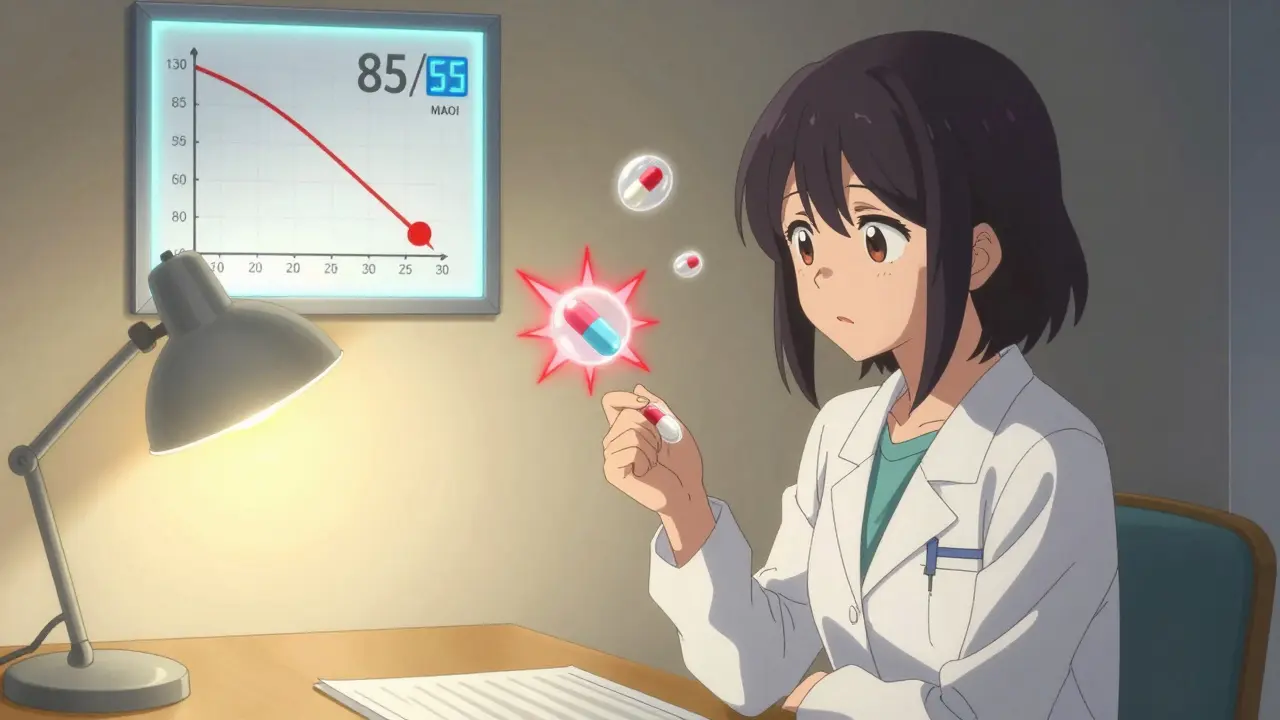
Why does this happen? GLP-1 drugs slow gastric emptying by 25-35%. That means oral medications - including blood pressure pills - are absorbed more slowly. Sometimes, they don’t get absorbed at all. That throws off the timing of how your meds work. One patient on Reddit, who goes by "HypertensionWarrior," shared: "After starting Wegovy, my lisinopril had to be cut from 20mg to 10mg within two months. My BP dropped to 85/55 when standing. I almost passed out at the grocery store."
Phentermine: The Opposite Problem
Not all weight loss drugs lower blood pressure. Phentermine, an older stimulant approved in 1959, does the opposite. It triggers the release of norepinephrine, which tightens blood vessels and raises heart rate. Clinical data shows it can increase systolic pressure by 5-15 mmHg and diastolic by 3-10 mmHg.
This is a serious risk for the 107 million American adults with hypertension. But the real danger comes when phentermine is mixed with MAOIs - a class of antidepressants like phenelzine or tranylcypromine. The FDA issued a safety alert in 2022 after multiple case reports of hypertensive crises: blood pressure spikes over 180/120 mmHg, sometimes exceeding 220/120. These can cause stroke, heart attack, or organ damage. Emergency room visits from this combo increased by 19% between 2021 and 2023.
That’s why the FDA requires patients to stop MAOIs at least 14 days before starting phentermine. Yet, a 2023 CMS analysis found that 0.8% of patients still skipped this step - often because they didn’t know the risk.
What About Antidepressants?
Many people taking weight loss meds are also on antidepressants. SSRIs like sertraline, fluoxetine, or escitalopram are common. But here’s the problem: GLP-1 drugs slow down your stomach. That means your antidepressant might not get absorbed properly.
Dr. Charles Nemeroff’s 2022 study found that delayed gastric emptying from Saxenda can reduce sertraline absorption by 18-25%. That’s enough to make the drug ineffective. One user on Reddit wrote: "My sertraline stopped working after starting Saxenda. My anxiety came back hard. My psychiatrist said my stomach wasn’t absorbing it anymore."
A 2023 survey by the American Psychiatric Association found that 63% of psychiatrists now routinely ask patients if they’re on GLP-1 medications - up from just 22% in 2021. The solution? Separate the doses. Take your antidepressant at least two hours before or after your weight loss injection. Some patients need a blood test to check their drug levels.
Qsymia: A Middle Ground
Phentermine-topiramate (Qsymia) is another option. Topiramate, an antiseizure drug, has a mild blood pressure-lowering effect. So when paired with phentermine, the two partly cancel each other out. In clinical studies, Qsymia lowered systolic pressure by only 2-5 mmHg on average. That’s why it’s considered a safer option for patients with borderline hypertension.
But it’s not risk-free. Topiramate can still cause dizziness, kidney stones, or cognitive fog. And if you’re also on diuretics, the combined effect can drop your blood pressure too far. One patient reported: "I was on hydrochlorothiazide for high BP. When I started Qsymia, I got dizzy every time I stood up. My doctor cut my diuretic in half."

What Should You Do?
If you’re on blood pressure medication and considering a weight loss drug, here’s what you need to do:
- Get your blood pressure checked before starting any new weight loss medication.
- Tell your doctor exactly what you’re taking - including over-the-counter pills and supplements.
- Monitor your BP at home for the first month. Record readings twice a day.
- Watch for signs of low BP: dizziness, blurred vision, fatigue, fainting.
- Do not adjust your blood pressure or antidepressant dose on your own.
According to the American Association of Clinical Endocrinologists, 30-40% of patients on GLP-1 drugs need their blood pressure meds reduced within three months. The same goes for antidepressants: 8.5% of users in the Obesity Medicine Association’s registry needed a dosage change.
Doctors now recommend checking blood pressure weekly for the first month, then monthly for three months. After that, every three months if stable. For every 5% of body weight lost, reassess your meds. At 10% weight loss, 42% of patients need a dose adjustment. At 15%, that rises to 68%.
What’s Changing in 2025?
The field is evolving fast. Novo Nordisk updated Wegovy’s prescribing label in September 2023 to warn of hypotension in 18.7% of patients on antihypertensives. The NIH is running a trial called PRECISION-OBESITY, testing whether genetic testing can help predict who’ll have dangerous drops in blood pressure.
By 2025, most electronic health records will automatically warn doctors if a patient is prescribed both a GLP-1 drug and an ACE inhibitor. That’s a big step forward. But until then, the responsibility falls on you and your care team.
The bottom line? Weight loss medications are powerful. But they’re not just for losing weight. They change how your whole body processes medicine. Don’t assume your doctor knows everything you’re taking. Bring a full list - including what you buy online or get from a friend. And never stop or change a dose without talking to your provider first.
Can I take weight loss meds if I have high blood pressure?
Yes - but only under close medical supervision. GLP-1 drugs like Wegovy and Saxenda can lower blood pressure, which may help if you’re hypertensive. But if you’re already on blood pressure meds, this can cause your pressure to drop too low. Phentermine, on the other hand, raises blood pressure and can be dangerous for people with uncontrolled hypertension. Your doctor needs to adjust your meds before and during treatment.
Do weight loss drugs interact with antidepressants?
Yes. GLP-1 medications slow stomach emptying, which can reduce how much of your antidepressant gets absorbed. This is most common with SSRIs like sertraline or fluoxetine. You might notice your anxiety or depression symptoms returning. The fix is simple: take your antidepressant at least two hours before your weight loss injection. Some patients need a blood test to check their drug levels.
What are the signs that my blood pressure is too low on weight loss meds?
Common signs include dizziness when standing up, lightheadedness, blurred vision, fatigue, nausea, or fainting. If you feel these symptoms, sit or lie down immediately. Check your blood pressure if you have a home monitor. If it’s below 90/60 mmHg, contact your doctor. Do not skip your next dose of your weight loss medication - but do not take your blood pressure pill either until you’ve spoken with your provider.
Is it safe to take phentermine with blood pressure meds?
It can be risky. Phentermine raises blood pressure, so combining it with antihypertensives can create unpredictable swings. Some patients need higher doses of their blood pressure meds to stay controlled. Others may not be candidates at all. Your doctor will check your baseline BP and may delay starting phentermine until your hypertension is stable. Never start phentermine if you’ve taken an MAOI in the last 14 days - this can cause a life-threatening hypertensive crisis.
How often should I have my blood pressure checked when starting a weight loss drug?
Start with weekly checks for the first month. Then monthly for the next three months. After that, every three months if your readings are stable. If you lose more than 5% of your body weight, schedule a check-up - you may need your blood pressure meds adjusted. Many patients need their doses lowered after 10-15% weight loss. Keep a log of your readings and bring it to every appointment.
Melinda Hawthorne
I work in the pharmaceutical industry as a research analyst and specialize in medications and supplements. In my spare time, I love writing articles focusing on healthcare advancements and the impact of diseases on daily life. My goal is to make complex medical information understandable and accessible to everyone. Through my work, I hope to contribute to a healthier society by empowering readers with knowledge.
view all postsWrite a comment