
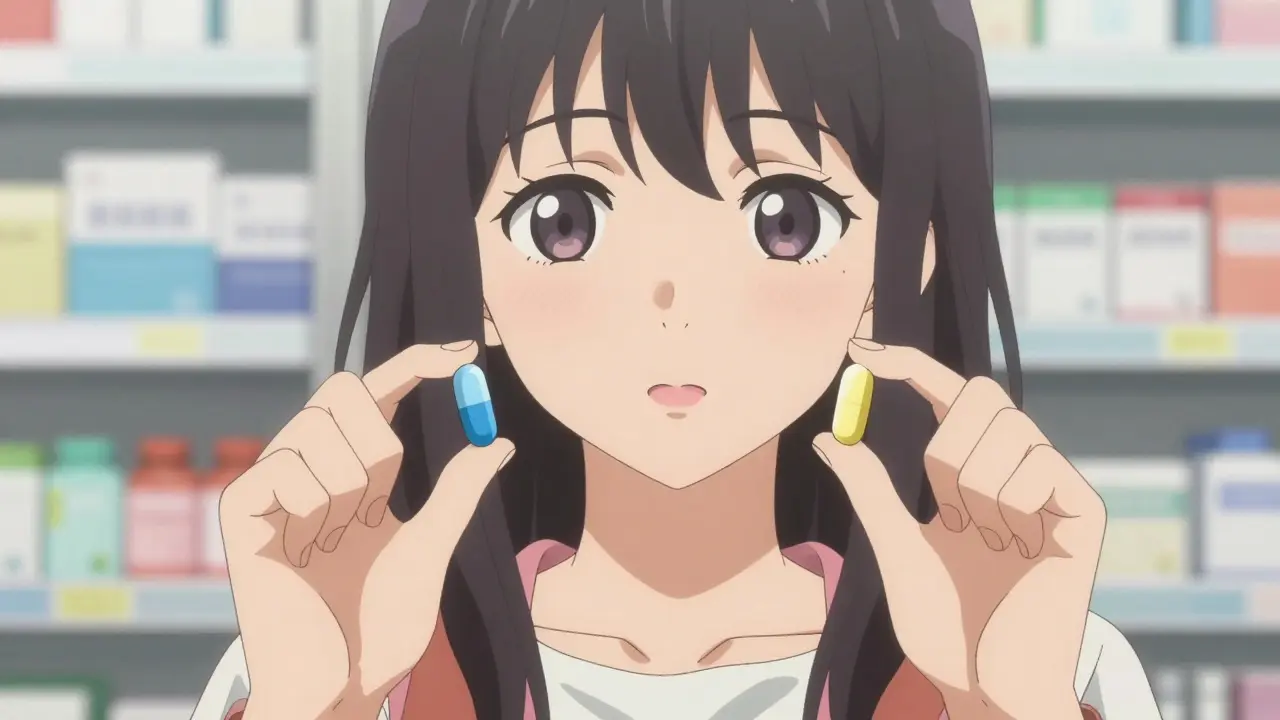
When you fill a prescription for a generic drug, do you know exactly what you're getting? Many people assume all generics are the same, but that's not true. Authorized generics and traditional generics work differently-and understanding the difference could impact your health and wallet.
What Are Authorized Generics?
Authorized Genericsare identical to brand-name drugs in every way except for the label; they contain the exact same active and inactive ingredients but are sold without the brand name.. They're made by the original brand manufacturer or under license from them. For example, if you take the brand-name drug Singulair (montelukast), its authorized generic version has the same formula but comes in plain packaging without the "Singulair" name. The U.S. Food and Drug Administration (FDA)The federal agency responsible for regulating drugs, including the approval processes for both authorized and traditional generics. confirms they're therapeutically equivalent because they're chemically identical to the brand. Unlike traditional generics, authorized generics don't need separate FDA approval since they're produced under the brand's original New Drug Application (NDA)The application submitted by brand manufacturers to the FDA for approval of a new drug, which authorized generics fall under.. This means they hit the market faster-sometimes even before patents expire-and avoid the complex testing required for traditional generics.
What Are Traditional Generics?
Traditional Genericsare FDA-approved alternatives to brand-name drugs that contain the same active ingredient but may differ in inactive ingredients like fillers or dyes.. These are made by separate generic manufacturers who submit an Abbreviated New Drug Application (ANDA)The regulatory pathway for traditional generics to gain FDA approval by demonstrating bioequivalence to the brand-name drug. to prove their product works the same way in the body. The Hatch-Waxman ActThe Drug Price Competition and Patent Term Restoration Act of 1984, which established the framework for generic drug approvals in the U.S. of 1984 created this system to speed up generic drug availability. For instance, a traditional generic version of a blood pressure medication might use different inactive ingredients than the brand, which could affect how quickly it dissolves in your stomach. These generics must demonstrate bioequivalenceThe measure used to determine if a generic drug performs the same as the brand in the body; required for traditional generics but not for authorized generics since they are identical. through clinical studies, but they don't need to prove safety or effectiveness again since the brand already did.
Key Differences Between Authorized and Traditional Generics
| Feature | Authorized Generics | Traditional Generics |
|---|---|---|
| Ingredients | Same active and inactive ingredients as brand-name drug | Same active ingredient, may differ in inactive ingredients |
| Regulatory Path | Manufactured under brand's NDA; no separate FDA approval | Approved via ANDA process; requires bioequivalence proof |
| Labeling | No brand name; may have different color or markings | Generic label with drug name and manufacturer |
| Market Entry | Can enter market before patent expires | Typically enters after patent expires; first generic gets 180-day exclusivity |
| Orange Book Listing | Not listed | Listed |
Why This Matters for Patients
For people with allergies or sensitivities, the inactive ingredients in traditional generics can cause problems. If you're sensitive to lactose or certain dyes, a traditional generic might contain those while the authorized version (being identical to the brand) wouldn't. Take asthma inhalers: some patients report better results with authorized generics because the exact formulation affects how the medicine delivers to the lungs. The Orange BookThe FDA's official publication listing approved drug products with therapeutic equivalence evaluations; traditional generics are listed here, but authorized generics are not. helps pharmacists verify traditional generics, but authorized generics aren't listed there-so you might not know if your "generic" is actually an authorized one unless you ask. Insurance coverage varies too: some plans cover authorized generics at the same cost as brand-name drugs, while others treat them like traditional generics. Between 2010 and 2020, over 200 authorized generic products launched in the U.S., showing their growing role in drug access.

What Pharmacists and Doctors Need to Know
Pharmacists often don't realize when a prescription is for an authorized generic because it's not in the Orange BookThe FDA's official publication listing approved drug products with therapeutic equivalence evaluations; traditional generics are listed here, but authorized generics are not.. This means they might assume it's a traditional generic when it's actually identical to the brand. For medications with narrow therapeutic indexes-like blood thinners or seizure drugs-this distinction matters. A small difference in inactive ingredients could affect how the drug works. Doctors should specify "dispense as written" on prescriptions if they want the brand or authorized generic. The therapeutic equivalenceThe FDA's determination that two drugs produce the same clinical effect; authorized generics are automatically considered therapeutically equivalent to their brand-name counterparts. of authorized generics is automatic since they're chemically identical, while traditional generics require rigorous testing. This is why patients switching between generic types sometimes report unexpected side effects.
Frequently Asked Questions
Are authorized generics the same as brand-name drugs?
Yes, authorized generics are chemically identical to brand-name drugs. They contain the same active and inactive ingredients, work the same way in your body, and have the same effectiveness. The only difference is they're sold without the brand name on the packaging. For example, the authorized generic of Lipitor (atorvastatin) is exactly the same as the brand but labeled simply as "atorvastatin."
How can I tell if my generic is an authorized generic?
Check the packaging: authorized generics often have the manufacturer's name (like the brand company) but no brand name on the label. You can also ask your pharmacist directly-many don't know unless they check the manufacturer details. Some pharmacies list "AG" or "Authorized Generic" on receipts. If your prescription says "dispense as written" and the drug is identical to the brand, it's likely an authorized generic.
Do insurance companies cover authorized generics differently?
Coverage varies. Some insurers treat authorized generics like brand-name drugs (so you pay the brand copay), while others classify them as traditional generics (lower copay). Many plans prefer authorized generics because they're identical to the brand but cheaper. For example, Medicare Part D often covers authorized generics at the same rate as traditional generics. Always check with your insurer before filling a prescription.
Why would a brand manufacturer make an authorized generic?
It's a business strategy. By launching their own authorized generic, brands can capture part of the generic market while still controlling the product. This prevents other companies from making traditional generics and undercutting prices. For example, when the patent for Singulair expired, the brand manufacturer launched its own authorized generic to maintain market share. It also gives them more control over quality since they're making it themselves.
Can traditional generics cause side effects that authorized generics don't?
Yes, sometimes. Traditional generics may use different inactive ingredients like binders or coatings, which can affect how the drug is absorbed. For example, some patients report stomach issues with certain traditional generic versions of antidepressants due to fillers like lactose. Authorized generics avoid this because they're identical to the brand. This is especially important for drugs with narrow therapeutic windows, like blood thinners or epilepsy medications, where tiny differences can impact safety.
Melinda Hawthorne
I work in the pharmaceutical industry as a research analyst and specialize in medications and supplements. In my spare time, I love writing articles focusing on healthcare advancements and the impact of diseases on daily life. My goal is to make complex medical information understandable and accessible to everyone. Through my work, I hope to contribute to a healthier society by empowering readers with knowledge.
view all postsWrite a comment