
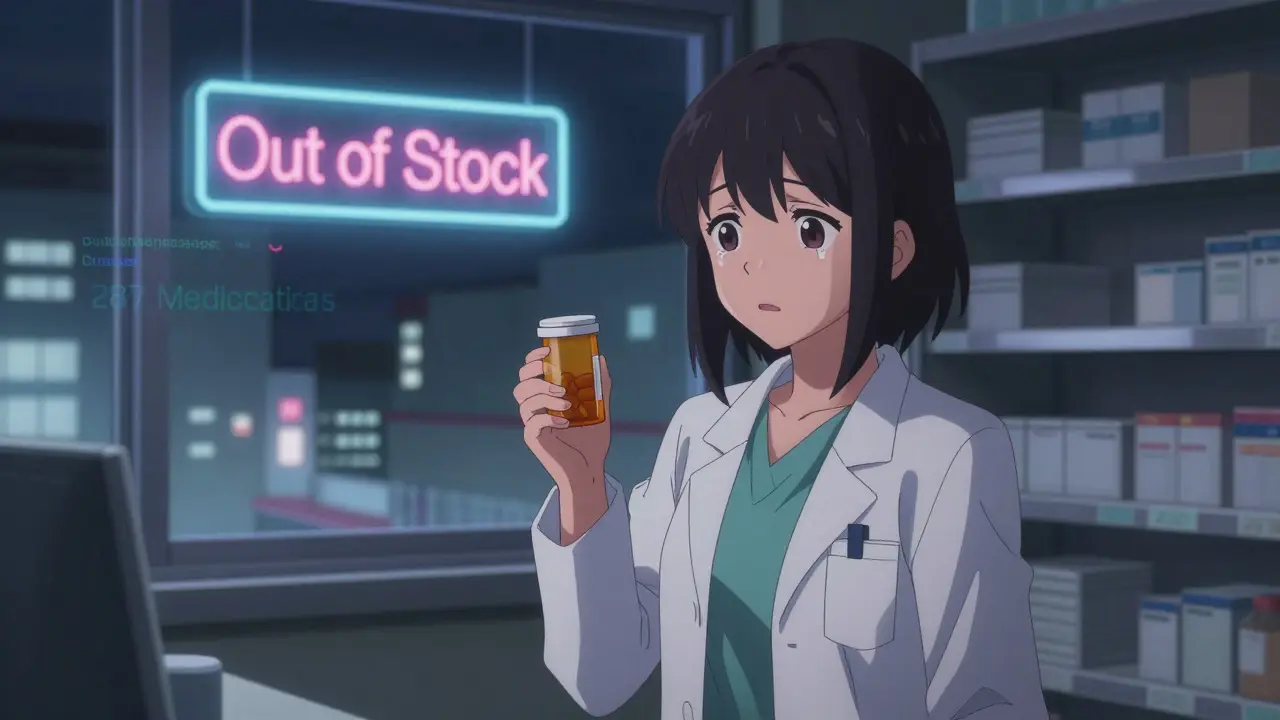
When a life-saving drug disappears from the pharmacy shelf, it’s not just an inconvenience-it’s a crisis. In 2025, drug shortages hit a record high, with 287 medications in short supply, nearly half of them critical for treating cancer, heart failure, and infections. Hospitals are rationing doses. Patients are skipping treatments. And Congress has finally stepped in-with two new bills that could change how we prevent these shortages before they happen.
The Two Bills at the Heart of the Crisis
The 119th Congress introduced two major proposals targeting the root causes of drug shortages. The first, S.2665, known as the Drug Shortage Prevention Act of 2025, focuses squarely on manufacturers. It would require drugmakers to notify the FDA the moment they see demand for a critical medication starting to spike. Right now, many companies wait until they’re already running low-too late to prevent a ripple effect across hospitals and clinics. This isn’t about punishment. It’s about early warning. Think of it like a smoke alarm for the drug supply chain. If a company sees a sudden jump in orders-say, because a new clinical trial is expanding or a disease outbreak is spreading-they’re legally required to tell the FDA. That gives regulators time to step in: maybe by fast-tracking a backup supplier, or nudging another plant to increase production. The second bill, H.R.1160, the Health Care Provider Shortage Minimization Act of 2025, takes a different angle. While S.2665 targets drugs, this one targets people. It aims to fix the growing gap between the number of doctors and nurses we need and the number we have. Right now, over 122 million Americans live in areas officially labeled as having a shortage of primary care providers. That means long waits, rushed appointments, and patients falling through the cracks-even when the right drugs are available.Why These Bills Are Still Stuck
Here’s the harsh reality: neither bill has moved past committee. Both are stuck in legislative limbo, and the main reason is a government shutdown that began on October 1, 2025-the longest in U.S. history. Over 800,000 federal workers have been furloughed, including nearly every FDA employee responsible for tracking drug supply data. The agency’s online Drug Shortage Portal, which hospitals rely on daily, is barely functional. No one’s updating it. No one’s responding to alerts. Even worse, Congress isn’t even debating these bills. The entire legislative calendar has been hijacked by budget fights and partisan moves-like a proposal to let senators sue over phone records. Meanwhile, the cost of the shutdown is $1.5 billion per day, and the federal deficit for the last fiscal year hit $1.74 trillion. In that environment, $45 million to fund better drug monitoring? It’s an afterthought.What We Know-And What We Don’t
S.2665 has a clear goal: notify the FDA early. But we still don’t know the details. What counts as a “critical drug”? Is it only cancer meds? Or does it include antibiotics, insulin, or IV fluids? How soon after demand spikes must manufacturers report? Is there a penalty for ignoring the rule? No one has seen the full bill text. The Senate committee hasn’t released it. That’s unusual. Most bills are public within days of introduction. This silence is a red flag. H.R.1160 is even murkier. The House website lists only the title. No sponsors. No committee. No cost estimate. No explanation of how it plans to train more doctors, expand telehealth, or incentivize rural practice. It’s a ghost bill. Experts say that’s not an accident. In a shutdown, bills like this get buried-not because they’re unimportant, but because they’re too hard to fight for.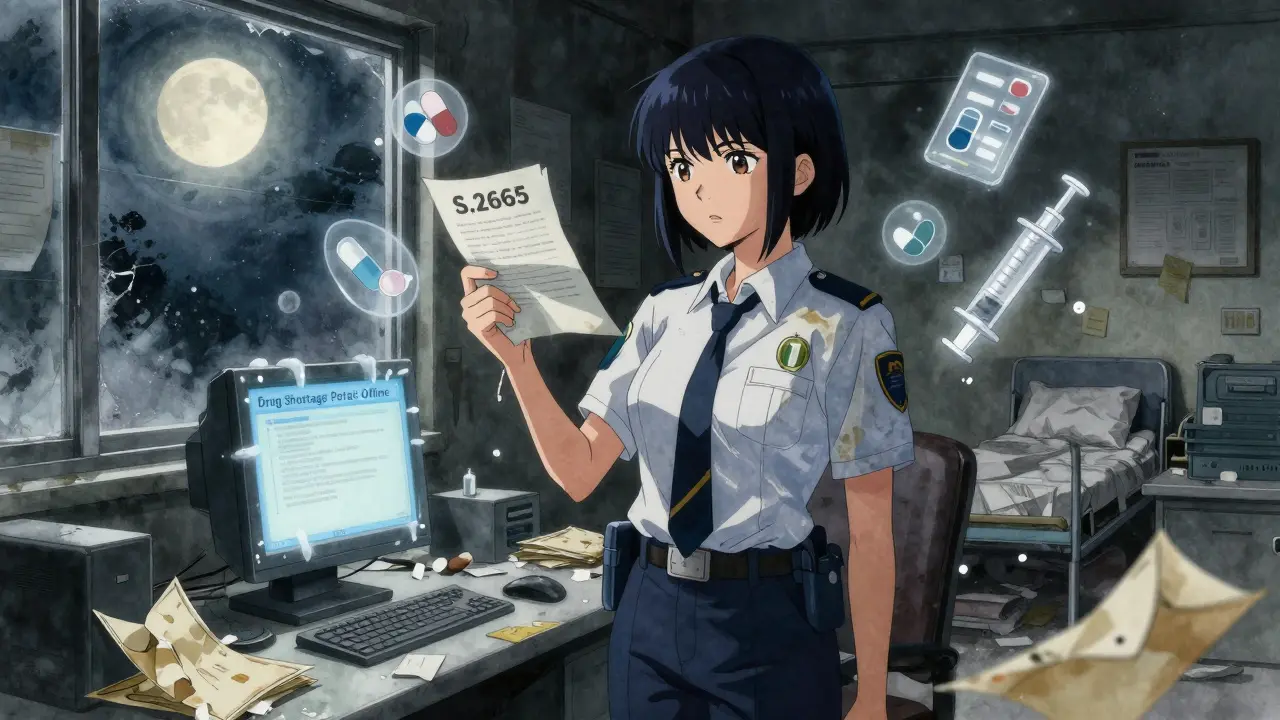
The Real Numbers Behind the Crisis
The data doesn’t lie. In Q3 of 2025, 98% of U.S. hospitals reported at least one critical drug shortage. The American Medical Association surveyed over 10,000 physicians. Eighty-seven percent said shortages directly impacted patient care. One oncologist in Ohio told reporters she had to choose between two patients for a single dose of a chemo drug. A pediatrician in Texas switched a child from a reliable oral antibiotic to an IV version because the pill form was gone-risking infection and hospitalization. And it’s not just about supply. Manufacturing delays caused 63% of these shortages, according to the Association for Accessible Medicines. Most of these drugs are made overseas, in countries with less oversight. A single factory fire, a labor strike, or a customs delay can knock out supply for months. The FDA doesn’t have enough inspectors to monitor these facilities. And with the shutdown, they’re not even trying.Why This Matters Beyond the U.S.
Drug shortages don’t stay at the border. When U.S. hospitals can’t get a drug, they turn to international suppliers. That strains global supply chains. A shortage of a common blood thinner in the U.S. can cause panic in Canada, the UK, and Australia. Australia, for example, relies on U.S. manufacturers for 40% of its generic injectables. When those shipments stall, Australian hospitals scramble. This isn’t just an American problem-it’s a global ripple effect.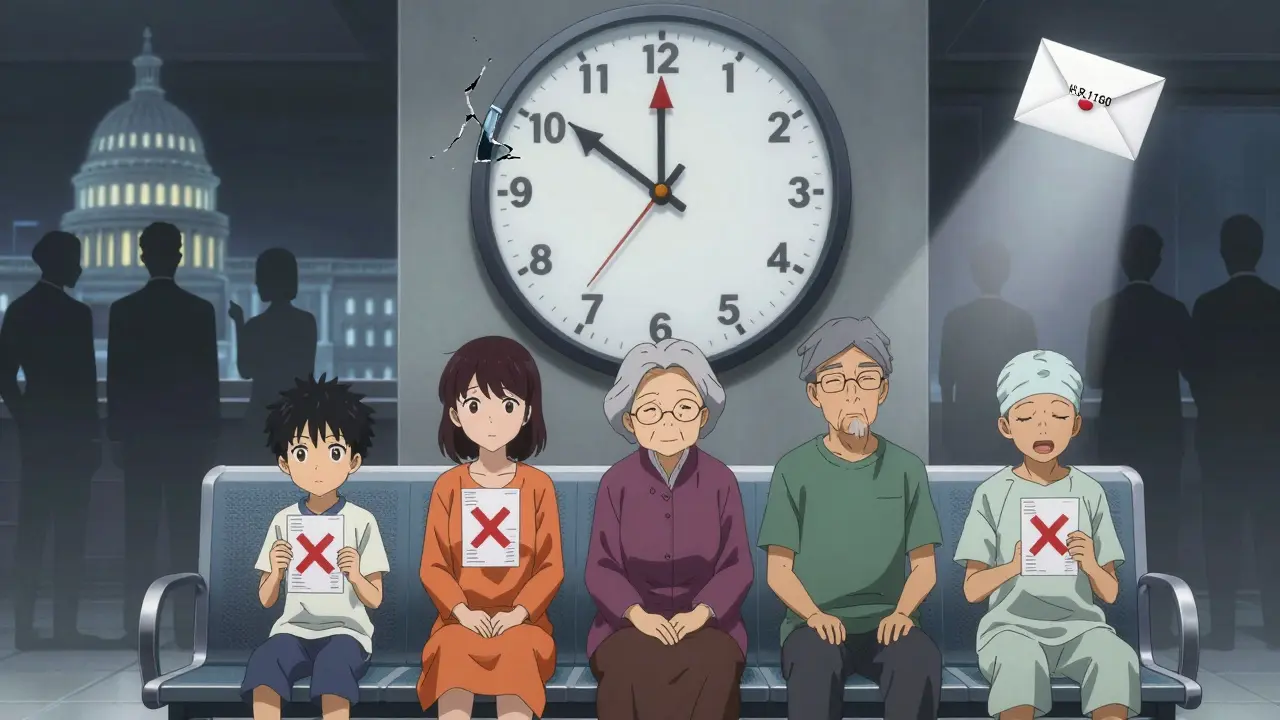
What Comes Next?
The proposed continuing resolution to extend government funding through January 30, 2026, doesn’t mention drugs or providers once. No funding. No policy changes. Just a delay. If Congress doesn’t act before then, both bills die. They’ll have to be reintroduced in January 2027, when the 120th Congress starts. That’s 14 months of silence. Fourteen months of patients going without. The path forward isn’t about new legislation-it’s about urgency. If lawmakers truly want to fix this, they need to:- Release the full text of S.2665 and H.R.1160 immediately
- Restore FDA staffing so the Drug Shortage Portal can function again
- Require manufacturers to report demand changes in real time-not quarterly
- Invest in domestic production of critical drugs, not just imports
- Link provider shortage solutions to loan forgiveness and rural healthcare incentives
Donna Zurick
This is exactly why we need action now. No more delays. If a hospital can't get insulin or chemo, that's not a policy issue-it's a moral failure. The FDA needs boots on the ground, not more paperwork. Let's fund the system before people start dying because of bureaucracy.