
Statin Muscle Pain Risk Calculator
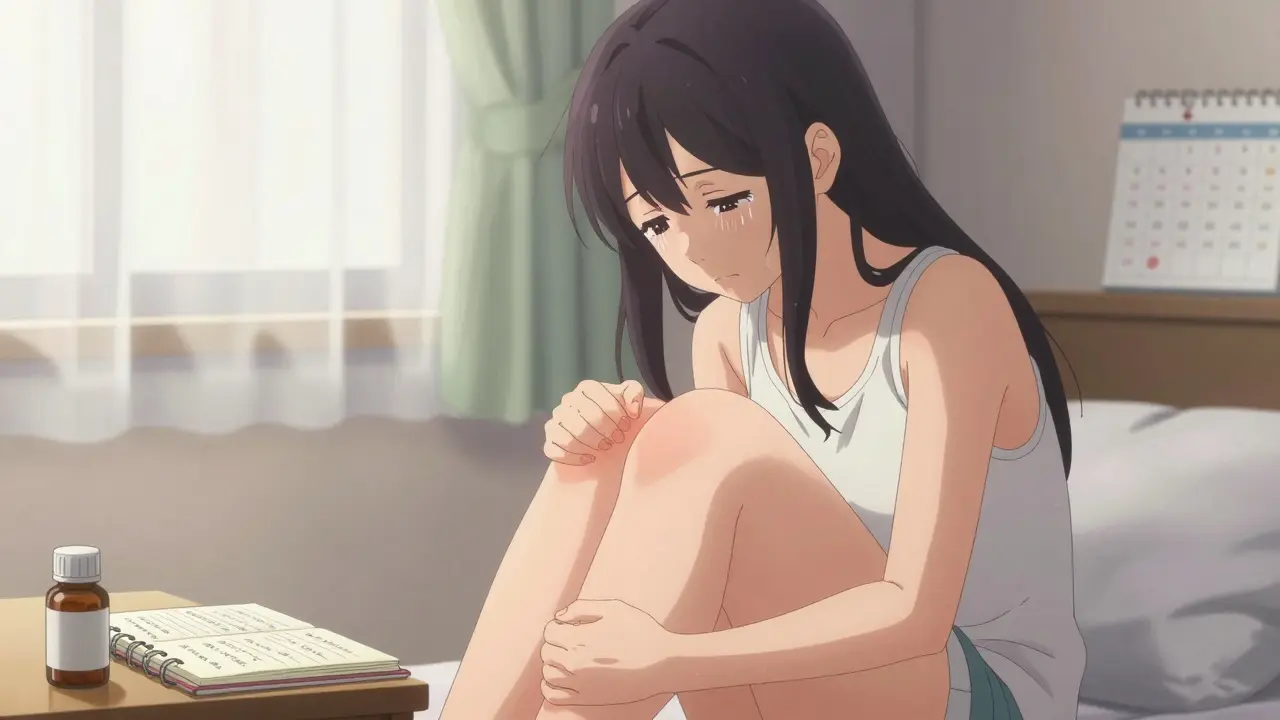
More than 30 million people in the U.S. take statins every year to lower their cholesterol and prevent heart attacks. For many, it works - and it saves lives. But for a noticeable number of them, something unexpected happens: their muscles start to ache. It’s not just a minor soreness. Some feel like they’ve been hit by a truck after a workout they never did. Others can’t climb stairs without pain. And when they stop the medication, the pain vanishes. So what’s going on? Is it the statin? Or is it something else?
Statins Work - But Muscle Pain Is Common
Statins are among the most studied drugs in medical history. They reduce LDL cholesterol by 30% to 50%, cutting heart attack risk by up to 35%. That’s why doctors prescribe them so often. But the side effect everyone talks about? Muscle pain. It’s the #1 reason people quit taking them.
Here’s the twist: clinical trials say only about 5% of people on statins get real muscle pain - no more than those on a sugar pill. But in real life? Up to 30% of patients report it. Why the gap? One big reason: expectation. A 2017 study in The Lancet showed that when patients were told statins could cause muscle pain, they were 40% more likely to report it - even if they were taking a placebo. The mind can turn normal aches into something scary.
Still, that doesn’t mean it’s all in your head. Many people truly feel worse after starting statins. The pain usually hits both sides of the body - thighs, shoulders, calves - and feels like constant soreness, not a sharp twinge. It often shows up within the first few months, especially after a dose increase.
How Bad Can It Get?
Most muscle pain from statins is mild - what doctors call myalgia. No swelling, no weakness, no lab changes. But there’s a spectrum. At the higher end is myositis - muscle inflammation - and at the extreme, rhabdomyolysis. That’s when muscle cells break down so badly they leak into the bloodstream. It’s rare - about 3 to 5 cases per million prescriptions - but it can damage your kidneys and even be deadly.
The key warning sign? Dark, tea-colored urine. That’s a red flag. So is sudden, severe weakness. If you feel this way, stop the statin and call your doctor immediately. Blood tests check for creatine kinase (CK), a muscle enzyme. If your CK is more than 10 times the normal level, you need to stop the drug right away.
But here’s the truth: fewer than 1 in 10 people who think their pain is from statins actually have a true statin reaction. A 2018 study in Circulation found that when patients who blamed statins for their pain were put back on them under blind conditions, only 20-25% had symptoms return. That means most people’s pain isn’t caused by the drug - but they still feel it.
Who’s Most at Risk?
Not everyone gets muscle pain from statins. Certain factors make it more likely:
- Age 80+: Risk jumps by about 30%
- Small body size (under 100 lbs): Adds 25% more risk
- Female gender: Women report symptoms more often - possibly due to smaller size, older age at start, or undiagnosed thyroid issues
- Thyroid problems: Hypothyroidism raises risk by 35%
- Kidney or liver disease: Doubles the chance of muscle issues
- Other meds: Fibrates, certain antibiotics (like erythromycin), and cyclosporine can interact badly with statins
- High-dose statins: Atorvastatin 80 mg or rosuvastatin 40 mg carry about 15% higher risk than lower doses
If you’re on a high-intensity statin and have any of these risk factors, your doctor should consider switching you to a gentler option - not just stopping the drug entirely.

What to Do If Your Muscles Hurt
Don’t quit statins on your own. Stopping them without medical guidance can raise your heart attack risk by 25-50% within two years. Instead, follow this step-by-step approach:
- Track your symptoms. When did the pain start? Did it get worse after a dose change? Does it go away when you rest? Write it down.
- Get a blood test. Ask for creatine kinase (CK). If it’s normal or only slightly high, your pain may not be from muscle damage.
- Try a statin holiday. Stop the statin for 4 to 6 weeks. If your muscles feel better, that’s a clue. But don’t assume it’s the statin - some aches fade on their own.
- Rechallenge carefully. After the break, restart the same statin at the lowest dose. If the pain comes back, you likely have a true reaction. If not, the original pain was probably unrelated.
- Switch statins. About 60% of people who react to one statin tolerate another. Pravastatin and fluvastatin are the least likely to cause muscle issues, based on the SEARCH trial. Rosuvastatin and atorvastatin carry higher risk.
Some doctors will also try intermittent dosing - taking the statin every other day or just twice a week. Early data from the 2023 STRENGTH trial shows this reduces muscle pain by 40% while still lowering cholesterol.
What About CoQ10 or Natural Fixes?
You’ve probably heard that Coenzyme Q10 (CoQ10) helps. Statins lower CoQ10 levels in the body, and some believe that’s why muscles hurt. Sounds logical - but the science doesn’t back it up.
A 2015 review of 12 studies in the Journal of the American College of Cardiology found no significant benefit from CoQ10 over placebo. A 2018 study showed improvement in 45% of users, but that’s still less than half. And there’s no standard dose. Some take 100 mg, others 200 mg - and it costs $20-$40 a month.
Other “natural” fixes - magnesium, vitamin D, turmeric - have no proven effect on statin-related muscle pain. They won’t hurt, but don’t expect miracles.
What If You Can’t Tolerate Any Statin?
If you’ve tried multiple statins, switched doses, tried intermittent dosing, and still have pain - there are non-statin options. They’re not as cheap, but they work.
- Ezetimibe: A pill that blocks cholesterol absorption in the gut. Lowers LDL by 15-20%. Costs about $10-$30 a month as a generic.
- PCSK9 inhibitors (alirocumab, evolocumab): Injectable drugs that slash LDL by 50-60%. But they cost $5,000 a year - unless you qualify for patient assistance programs.
- Bempedoic acid: A newer oral drug that works like a statin but stays out of muscles. Lowers LDL by 20-30%. Approved in 2020 and now available as a generic.
These aren’t magic bullets. They still need to be paired with diet, exercise, and regular check-ups. But they’re real alternatives for people who can’t take statins.

The Bigger Picture: Why This Matters
Here’s the hard truth: 45% of people stop taking statins within a year - mostly because of muscle pain. And for many, that decision is based on a misunderstanding. The cardiovascular benefits of statins are massive. For every 1 mmol/L drop in LDL, major heart events drop by 29%. That’s not theoretical - it’s proven across 21 trials.
But if you’re in pain, you’re not being irrational. Your discomfort is real. The goal isn’t to tell you to “just push through.” It’s to help you find a solution that keeps your heart safe and your body comfortable.
Most people who work with their doctor through the process - testing, switching, adjusting - end up back on a statin within six months. The American Heart Association says 80-90% of patients can stay on therapy if they get the right support.
You don’t have to choose between muscle pain and heart attack. There’s a middle path. It just takes patience, testing, and the right conversation with your doctor.
When to Call Your Doctor
Call your doctor right away if you have:
- Dark, tea-colored urine
- Sudden, severe muscle weakness
- Pain that keeps getting worse, even at rest
- Fever or flu-like symptoms along with muscle pain
For mild, ongoing soreness - don’t panic. Don’t stop. Schedule a visit. Bring your symptom log. Ask about CK levels. Ask about switching statins. Ask about ezetimibe or bempedoic acid. You have options. You just need to ask.
Is muscle pain from statins always serious?
No. Most muscle pain from statins is mild and not linked to actual muscle damage. Doctors call this "myalgia" - it’s discomfort without elevated creatine kinase (CK) levels. Only when CK rises above 10 times normal does it signal serious muscle breakdown, which is rare. Many people feel soreness that’s unrelated to the drug - often due to aging, inactivity, or the nocebo effect.
Can I take CoQ10 to prevent statin muscle pain?
Some people swear by CoQ10, but studies don’t show consistent benefit. A 2015 review of 12 trials found no significant difference between CoQ10 and placebo. A 2018 study reported improvement in 45% of users, but that’s still less than half. It’s safe to try, but don’t rely on it as a fix. It won’t replace the need to adjust your statin or try alternatives.
How long does it take for muscle pain to go away after stopping statins?
For most people, muscle pain improves within 2 to 4 weeks after stopping the statin. In some cases, especially if the pain was severe or long-lasting, it may take up to 6 weeks to fully resolve. If pain persists beyond 6 weeks after stopping, the cause is likely something else - like arthritis, nerve issues, or vitamin deficiency - and should be investigated further.
Which statin has the least muscle side effects?
Pravastatin and fluvastatin have the lowest risk of muscle-related side effects, based on data from the SEARCH trial. They’re less likely to penetrate muscle tissue compared to atorvastatin or rosuvastatin. If you’ve had muscle pain with one statin, switching to pravastatin gives you the best chance of tolerating therapy without symptoms.
Can I take statins every other day instead of daily?
Yes, for many people, intermittent dosing works. Studies like the 2023 STRENGTH trial show that taking statins every other day or twice a week reduces muscle pain by about 40% while still lowering LDL cholesterol effectively. This approach isn’t for everyone - especially those with very high risk - but it’s a valid option if you’re struggling with side effects. Talk to your doctor about whether it’s right for your heart risk level.
What are the best non-statin alternatives for lowering cholesterol?
Ezetimibe is the most common first alternative - it lowers LDL by 15-20% and costs under $30 a month. Bempedoic acid is newer, lowers LDL by 20-30%, and doesn’t affect muscles like statins do. For higher risk patients, PCSK9 inhibitors (alirocumab, evolocumab) cut LDL by 50-60% but cost about $5,000 a year. Insurance often covers them if you’ve tried statins and can’t tolerate them.
Why do women report statin muscle pain more than men?
Women report muscle symptoms more often for several reasons: they often start statins at an older age, tend to have smaller body size, and are more likely to have undiagnosed hypothyroidism - which increases statin side effect risk by 35%. They may also be more likely to notice and report bodily changes. But the underlying biology may also play a role - some research suggests differences in how statins are metabolized in women’s bodies.
If I stop statins because of muscle pain, how soon does my heart risk go up?
Heart risk starts rising within weeks. A 2014 BMJ study found that people who stopped statins without medical supervision had a 25-50% higher risk of heart attack or stroke within two years. The longer you go without treatment, the greater the risk. That’s why it’s critical to work with your doctor before quitting - there are safer alternatives, and stopping cold isn’t the answer.
Final Thought: Don’t Quit Without a Plan
Statins aren’t perfect. Muscle pain is real. But the fear of side effects shouldn’t blind you to the real danger: untreated high cholesterol. You don’t have to suffer. You don’t have to quit. You just need to talk to your doctor - and ask the right questions. There’s almost always a way to protect your heart without wrecking your muscles.
Nancy Kou
Statins saved my life after my first heart scare, but I swear I thought I was going to lose the use of my legs for a month. Turns out it was just my aging joints and a bad bike fall I didn’t want to admit. Got my CK checked, it was fine. Back on pravastatin now, no issues. Don’t panic-get tested first.