
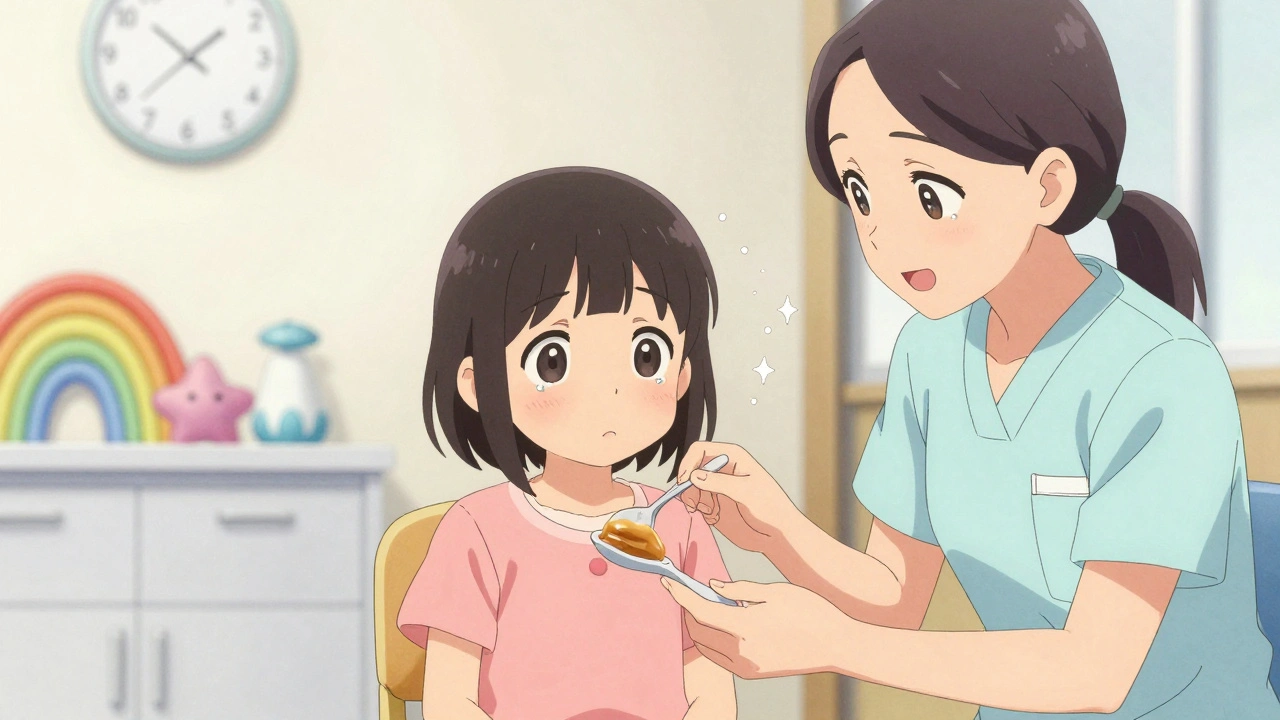
When a child breaks out in hives after eating peanut butter, or an adult gets stomach cramps after drinking milk, the question isn't just "what happened?" - it's "is this really an allergy?" Many people assume a positive skin test or blood result means they’re allergic. But here’s the truth: oral food challenge is the only test that gives you a definite answer.
Why Other Tests Can’t Be Trusted
Skin prick tests and blood tests for IgE antibodies are common, but they’re not reliable on their own. A positive result doesn’t mean you’ll react when you eat the food. In fact, studies show these tests have a false positive rate of up to 60% for common allergens like eggs and peanuts. That means if you’re told you’re allergic based on a blood test alone, you might be avoiding foods you can actually eat safely. The problem? These tests measure immune system activity, not real-life reactions. Just because your body makes antibodies to peanut doesn’t mean your stomach will react when you swallow it. That’s why doctors don’t diagnose food allergies based on tests alone. They need to see what happens when the food actually enters the body.What Happens During an Oral Food Challenge?
An oral food challenge is simple in concept but tightly controlled in practice. You start with a tiny amount of the food - as little as 1-2 milligrams, which is less than a grain of rice for peanut. That dose is given under medical supervision. If there’s no reaction after 15 to 30 minutes, you get a slightly larger amount. This continues, step by step, until you’ve eaten a full serving - or until a reaction occurs. The whole process takes 3 to 6 hours. You’re monitored the entire time: heart rate, breathing, skin changes, any signs of swelling or vomiting. A doctor and a nurse are always present, with emergency meds like epinephrine ready in case of a serious reaction. There are three types of challenges:- Open challenge: You and the doctor both know what food you’re eating. This is the most common - about 90% of cases.
- Single-blind: Only the doctor knows what’s being given. Used when psychological fear might trigger symptoms.
- Double-blind placebo-controlled: Neither you nor the doctor knows if it’s the real food or a placebo. This is the gold standard for research, but rarely used in clinics because it’s complicated and expensive.
How Safe Is It?
It’s natural to worry. But the risk of a severe reaction is low - only 1 to 2% of challenges result in anaphylaxis requiring epinephrine. Most reactions (40-60%) are mild: a few hives, a flushed face, or mild stomach upset. These are easily treated in the clinic. The key is where it’s done. An oral food challenge should never be done at home or in a regular doctor’s office without emergency equipment. Only board-certified allergists in settings equipped to handle anaphylaxis should perform them. The American Academy of Allergy, Asthma & Immunology requires at least two trained staff members present and immediate access to epinephrine, oxygen, and IV fluids. One parent shared on a food allergy forum: "I was terrified. My son screamed through the whole thing. But when he finished the peanut without a reaction, we cried. We finally knew he could eat it safely. It changed everything."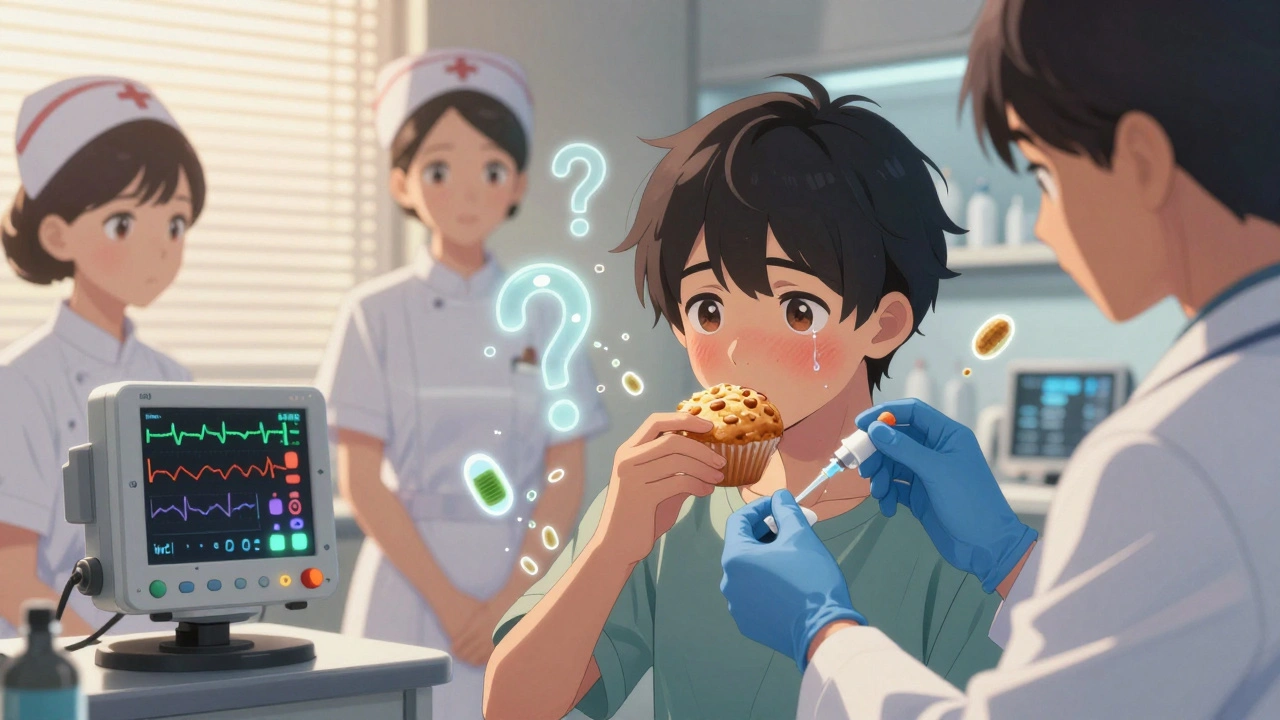
Who Benefits the Most?
Oral food challenges aren’t for everyone. They’re not used as a screening tool. If someone has had a life-threatening reaction in the past, they won’t be tested unless absolutely necessary. But they’re essential for three main groups:- People with unclear allergy history: If you’ve had vague symptoms but no clear reaction, an OFC clears up the confusion.
- Children who may have outgrown allergies: About 65% of kids with milk or egg allergies outgrow them by age 5. An OFC confirms whether it’s safe to reintroduce the food.
- People on restrictive diets: Many adults avoid foods they think they’re allergic to - but after an OFC, 25-30% find out they’re not allergic at all. That means they can stop worrying, stop reading labels, and start eating normally again.
What to Do Before the Challenge
Preparation matters. You can’t just show up and hope for the best.- Stop antihistamines: At least 5 to 7 days before. These drugs can hide early signs of a reaction.
- Be healthy: Don’t do the challenge if you have a cold, asthma flare-up, or fever. Illness increases the chance of a reaction.
- Bring distractions: Especially for kids. Tablets, books, favorite toys - anything to keep them calm.
- Wear loose clothing: So it’s easier to check for rashes or swelling.
What Happens After?
If you pass the challenge - no reaction after the full dose - you’re told to start eating the food regularly at home. No more avoiding it. That’s the goal: freedom from fear. If you have a reaction, the team treats it immediately. Then they document the threshold - how much food triggered the reaction. That helps you know what to avoid in the future. Even a reaction gives useful information. Most families report high satisfaction. A survey by Nationwide Children’s Hospital found 89% of parents felt the challenge was worth the stress because it gave them certainty.
Why No Other Test Can Replace It
New tests like component-resolved diagnostics look at specific proteins in food. They’re more precise than old blood tests - but still only about 85% accurate. That’s better, but not perfect. Only the oral food challenge gives you a 100% real-world answer. The European Academy of Allergy and Clinical Immunology says it plainly: "No in vitro test can replace the oral food challenge for definitive diagnosis of food allergy." And that’s why, despite being time-consuming and expensive, OFCs are growing in use. The number of challenges performed in the U.S. is expected to rise 15% per year through 2028. More people are realizing that avoiding food unnecessarily hurts quality of life - and sometimes even nutrition.Where It’s Done and Who Does It
You won’t find oral food challenges at your local urgent care. They’re done in specialized allergy clinics, major children’s hospitals, and academic medical centers. Places like Cleveland Clinic, Mayo Clinic, and Children’s Hospital of Philadelphia run hundreds of these each year. Doctors need special training. The American Academy of Allergy, Asthma & Immunology recommends at least 10 supervised challenges before a clinician can do them alone. The procedure isn’t a product you can buy. It’s a skill. And it’s one that saves lives - not just by catching dangerous allergies, but by freeing people from unnecessary fear.Are oral food challenges dangerous?
Severe reactions are rare - only 1 to 2% of challenges require epinephrine. Most reactions are mild, like hives or stomach upset, and happen in a controlled setting where medical help is right there. The risk of not knowing - and continuing to avoid safe foods or unknowingly eat dangerous ones - is much higher.
Can I do an oral food challenge at home?
No. Oral food challenges must be done under medical supervision in a facility equipped to handle anaphylaxis. Even if your allergy is mild, reactions can escalate quickly. Home challenges are only being studied in very low-risk cases under strict research protocols - not for general use.
How long does an oral food challenge take?
Typically 3 to 6 hours. The first 1 to 2 hours involve giving small, increasing doses of the food. After that, you’re monitored for 2 to 3 hours to watch for delayed reactions. Don’t plan to rush anywhere afterward.
Do I need to stop my allergy meds before the test?
Yes. Antihistamines can mask early symptoms of an allergic reaction. You’ll usually need to stop them 5 to 7 days before the challenge. Always follow your doctor’s exact instructions - some medications may need longer to clear.
What if my child has a reaction during the challenge?
The medical team is prepared. They’ll stop the challenge immediately and treat the reaction with antihistamines, steroids, or epinephrine if needed. Even if your child reacts, the challenge gives you valuable information: how much food triggers the reaction and what symptoms to watch for. It’s not a failure - it’s a diagnosis.
Will insurance cover an oral food challenge?
Most insurance plans in the U.S. cover oral food challenges when ordered by a board-certified allergist. You may have a copay or deductible. Always check with your provider beforehand. Some clinics offer payment plans if cost is a concern.
How accurate is an oral food challenge?
It’s the most accurate test available - close to 100% when done correctly. It doesn’t rely on indirect measurements like antibodies. It watches what your body actually does when you eat the food. That’s why it’s called the gold standard.
Can adults have oral food challenges too?
Absolutely. While more common in children, adults get them too - especially if they’ve avoided a food for years and want to know if they’re still allergic. Food allergies can develop at any age, and so can tolerance. An OFC gives clarity at any stage of life.
Emily Haworth
I heard the FDA is secretly using oral food challenges to track who eats what so they can raise insurance rates 🤫🫠 My cousin’s kid had a reaction and now their whole family got flagged for "high-risk food behavior". They’re sending drones to our backyard to monitor our peanut butter jars. 🤯