

Side Effect Frequency Calculator
Find Out What Side Effects You Might Experience
Select your medication to see common side effects and how often they occur. This helps you know what to ask your doctor about.
Side Effects Information
Questions to Ask Your Doctor
Based on your medication, here are specific questions to ask your doctor about side effects:
Let’s be honest: you take your medicine because you need to. But then you start feeling weird - dizzy, nauseous, tired - and you wonder, Is this normal? Should I be worried? Did my doctor even tell me this could happen? You’re not alone. In fact, 68% of patients stop taking their medication because they weren’t warned about side effects that later showed up. And here’s the kicker: 90% of patients want to hear about possible side effects before starting a new drug. But only about 66% actually do.
Why This Conversation Matters More Than You Think
Side effects aren’t just annoying. They’re a major reason people stop taking life-saving drugs. High blood pressure meds? Stopped because of constant dizziness. Diabetes pills? Dropped because of stomach cramps. Antidepressants? Quit after sleep issues got worse. Each time this happens, it’s not just about discomfort - it’s about risk. Uncontrolled conditions lead to hospital visits, emergency care, and long-term damage. And the cost? $100 billion to $289 billion a year in the U.S. alone.
Doctors aren’t trying to hide anything. They’re pressed for time. In a typical 15-minute visit, they’re expected to cover your blood pressure, check your symptoms, refill prescriptions, and answer questions - all while documenting everything. On average, they only talk about 3.2 side effects per medication. But most drugs have 15 to 25 possible reactions listed in the official data. That gap? That’s where things fall apart.
What You Should Ask - And How to Ask It
You don’t need to be a medical expert to get the info you need. You just need to ask the right questions. Here’s what works:
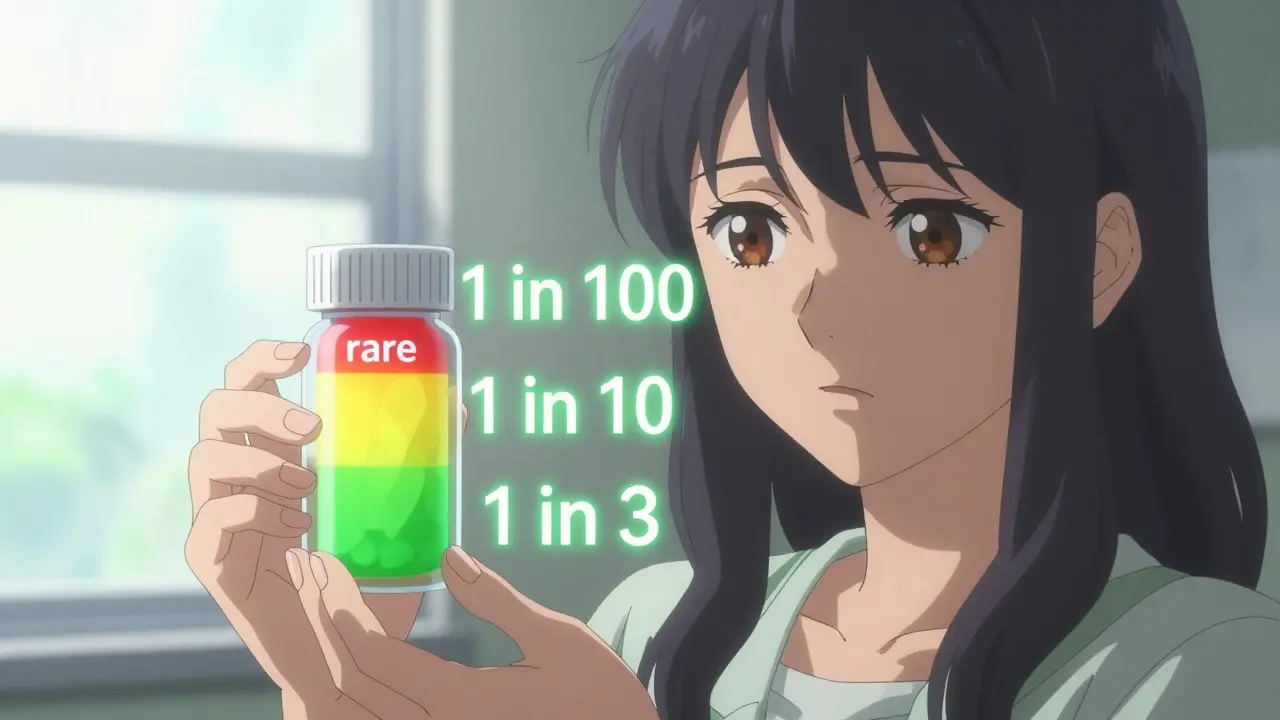
- “How common is this side effect?” Don’t settle for “some people experience this.” Ask for numbers. “Is it 1 in 10? 1 in 5? 1 in 100?” That’s way more helpful than vague language.
- “Which side effects are serious enough to call you right away?” You need to know what’s an emergency versus what’s just uncomfortable. For example, a headache might be common - but liver damage? That’s rare, but critical.
- “What can I do if I feel this?” Always ask for a plan. If nausea happens, should you take it with food? If drowsiness hits, should you avoid driving? Simple fixes like this make a huge difference.
- “Are there any side effects I should watch for in the first week?” Many reactions show up early. Knowing what to expect in the first few days helps you decide if it’s normal or a red flag.
And here’s a secret: ask how much they think you want to know. Say: “I’m someone who likes to know everything - even the small stuff. But I know some people just want to hear about the big risks. Where do you think I fall?” This gives your doctor permission to tailor the conversation. Studies show that when you do this, you’re 22% more likely to stick with your medication.
What Your Doctor Should Tell You - And What They Often Skip
Good side effect communication isn’t just listing symptoms. It’s structured. Here’s what it should include:
- Frequency: Not “some people,” but “this happens in 1 out of 5 patients” or “less than 1 in 100.”
- Severity: Is it a mild annoyance or a life-threatening reaction? The FDA classifies side effects into tiers - minor (headache, dry mouth), moderate (nausea, fatigue), and severe (liver failure, heart issues).
- Timing: When does it usually start? Does it go away after a few days? Or does it build up over weeks?
- Management: What can you do to reduce it? Drink more water? Take it with food? Switch to a different time of day?
Here’s what most doctors skip: trade-offs. They rarely say: “This drug will cut your risk of stroke by 40%, but 1 in 3 people get dizziness. Would you rather avoid stroke, or avoid the dizziness?” That kind of honesty helps you make a real choice - not just follow orders.
The Nocebo Effect: Why Talking About Side Effects Can Make Them Happen
This sounds crazy, but it’s real. If your doctor says, “Some people get headaches,” you’re 26% to 40% more likely to get one - even if the drug doesn’t cause it. That’s called the nocebo effect. It’s the dark twin of the placebo effect. Your brain expects pain, so it creates it.
That’s why the best doctors don’t dump every possible side effect on you. They use a risk-stratified approach: focus on what’s common and what’s dangerous. For example:
- Common (10-30% of users): Headache, dry mouth, drowsiness
- Uncommon (1-10%): Nausea, dizziness
- Rare (under 1%): Liver damage, severe allergic reaction
They’ll say: “Here’s what most people feel. Here’s what you should call us about. And here’s what’s so rare we rarely see it.” This cuts anxiety, improves trust, and boosts adherence - without overwhelming you.
What to Do If You’re Already Stopped Taking Your Medicine
If you’ve quit a drug because of side effects - don’t feel guilty. Do this instead:
- Write down what happened. When did it start? How bad was it? Did anything help?
- Don’t just say “I stopped it.” Say: “I stopped because I got really dizzy every morning. I tried taking it with food, but it didn’t help.” Specifics matter.
- Ask: “Is there another option?” Sometimes, switching to a different drug in the same class solves the problem. One person might react badly to lisinopril, but tolerate losartan just fine.
- Ask: “Can we try a lower dose?” Starting low and going slow is a proven strategy. It cuts side effects by up to 40% in some cases.
Doctors say: “Thank you for telling me you’re not taking your meds. Can we talk about why?” That’s not a reprimand. It’s an invitation to fix it together.
Tools That Actually Help
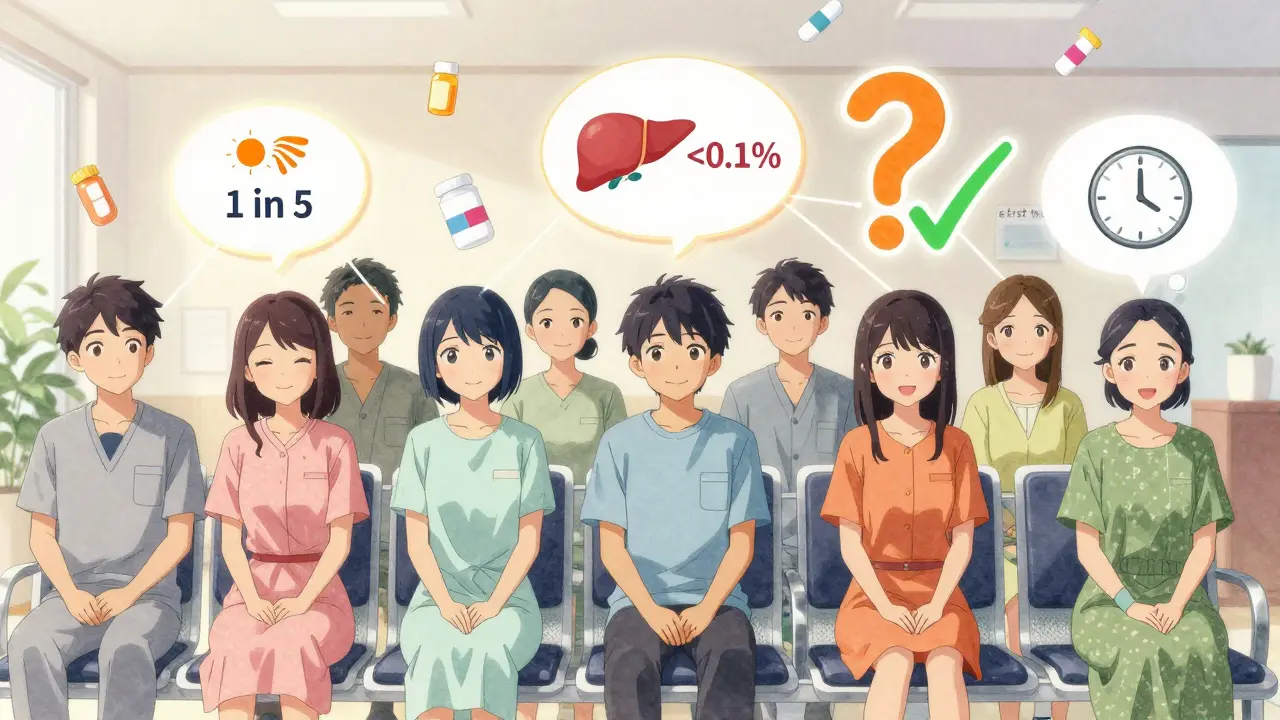
You don’t have to rely on memory alone. Here are three tools that work:
- Medication lists: Keep a paper or digital list of every drug you take, including dose and reason. Show it to your doctor every visit.
- Pharmacist check-ins: 51% of patients say they prefer side effect info from both their doctor and pharmacist. Pharmacists are trained to explain side effects clearly - and they often have more time.
- Pre-visit questionnaires: Many clinics now send you a short form before your appointment: “Have you had any side effects? Are you taking your meds?” This cuts visit time and uncovers problems doctors would miss.
Electronic health records now include side effect guides for 87% of prescriptions. But only 37% of doctors use them regularly. So don’t wait for them to bring it up. Bring it up yourself.
What’s Changing - And What’s Coming
Things are shifting. The FDA now requires drug makers to use clear language in patient guides - no more “some patients may experience.” They’re pushing for terms like “very common” (>10%), “common” (1-10%), “uncommon” (0.1-1%), and “rare” (<0.1%).
AI tools are starting to help too. Apps like Medisafe analyze data from over a million users to predict your risk for side effects based on your age, gender, and other meds. That’s not science fiction - it’s here.
And with more people over 65 taking nearly 5 prescriptions on average, side effect clutter is only getting worse. The future isn’t just about more info - it’s about smarter, personalized communication.
Final Thought: You’re Not Being Difficult
You’re not being hard to please. You’re not wasting their time. You’re doing exactly what patients should do: asking questions, paying attention, and taking charge of your health. The system isn’t perfect. But you have more power than you think. Next time you get a new prescription, say: “I’d like to understand the side effects - not just what they are, but how likely they are and what I can do about them.”
That’s not asking too much. That’s being a smart patient.
How do I know if a side effect is serious enough to call my doctor?
Serious side effects are usually rare but dangerous - things like chest pain, trouble breathing, severe rash, yellowing of the skin or eyes, or sudden confusion. If you’re unsure, it’s always better to call. Your doctor can tell you what counts as urgent based on your specific medication. For example, a mild headache with a blood pressure drug is common, but a pounding headache with a migraine medication could mean something serious. When in doubt, ask: “Is this something I should call about today, or can I wait until my next appointment?”
Why do some side effects go away after a few days?
Your body often adjusts to new medications over time. For example, dizziness or nausea from antidepressants or blood pressure drugs usually fades within 1-2 weeks as your system adapts. That doesn’t mean the drug isn’t working - it means your body is learning to handle it. But if symptoms get worse instead of better, don’t assume it’ll pass. Call your doctor. That’s not overreacting - it’s smart.
Can I stop taking my medicine if the side effects are too bad?
Never stop a prescribed medication without talking to your doctor first. Some drugs - like blood thinners, seizure meds, or antidepressants - can cause serious withdrawal effects if stopped suddenly. Instead, say: “I’m having trouble with these side effects. Can we adjust the dose, switch to a different drug, or add something to help?” Your doctor can’t help if you don’t tell them.
Is it normal to feel anxious after learning about side effects?
Yes. Learning about risks can trigger anxiety - even if the chance of a serious side effect is very low. That’s part of the nocebo effect. If you’re feeling overwhelmed, ask your doctor to focus on the most likely and most manageable effects. You can also ask for written materials or a follow-up call from a nurse. Many clinics now offer side effect summaries via patient portals - check yours.
What if my doctor brushes off my concerns?
If your doctor dismisses your side effects or acts like you’re overreacting, it’s time to find someone new. Good doctors listen. They know that side effects are personal. What’s mild for one person can be disabling for another. If you’ve tried asking clearly and still feel unheard, ask for a referral to another provider or consider seeing a pharmacist for a medication review. Your health matters too much to stay silent.
Liam Crean
Been on blood pressure meds for 5 years. The dizziness hit me hard at first. I thought I was going to pass out every morning. Turns out, taking it with a light snack fixed it. No one told me that. Just one small tweak, and my life got back on track.