

More than 10% of people in the U.S. say they’re allergic to penicillin. But here’s the surprising truth: 9 out of 10 of those people aren’t actually allergic. That’s not a typo. Most people who think they have a penicillin allergy don’t - and continuing to believe they do could put their health at risk.
Why So Many People Think They’re Allergic to Penicillin
Penicillin was discovered in 1928 and became the first widely used antibiotic. Since then, millions of people have taken it. But not everyone had a good experience. Some got a rash. Others felt nauseous. Some had a headache. These are common side effects - not allergies. The problem is, people often label these reactions as “allergies.” A child gets a rash after taking amoxicillin for an ear infection. The parent tells the doctor, “She’s allergic to penicillin.” Years later, that label sticks. Even if the rash was harmless, even if it happened 20 years ago, the allergy tag stays in the medical record. Doctors don’t always question it. Pharmacies just flag it. And over time, that mislabeling becomes a habit. But here’s what’s dangerous: if you’re labeled allergic, you’re likely to get a different antibiotic. Not the best one. Not the safest one. A broader-spectrum drug - often more expensive, more likely to cause side effects, and more likely to fuel antibiotic resistance.What a Real Penicillin Allergy Looks Like
True penicillin allergies are immune system reactions. They’re not just “feeling bad.” They’re specific, measurable, and sometimes life-threatening. Immediate reactions happen within an hour. These are IgE-mediated and can include:- Hives or swelling of the lips, tongue, or throat
- Wheezing or trouble breathing
- Dropping blood pressure
- Loss of consciousness
- A flat, red rash that spreads (maculopapular rash) - this is the most common, and often not an allergy
- Severe skin conditions like Stevens-Johnson Syndrome or Toxic Epidermal Necrolysis (rare but deadly)
- DRESS syndrome - fever, rash, swollen lymph nodes, and organ inflammation
Most Penicillin Allergies Fade Over Time
Your immune system changes. Allergies aren’t always permanent. Research shows that 80% of people who had a true IgE-mediated penicillin allergy lose it after 10 years without exposure. That means if you were told you were allergic at age 5, and you haven’t taken penicillin since, you’re probably not allergic now. Even delayed reactions like rashes rarely last more than 1-2 years. So if your “allergy” happened more than a decade ago, it’s almost certainly gone. Yet most people never get tested. They just avoid penicillin - and all related antibiotics like amoxicillin, ampicillin, and even some cephalosporins - for life.
How to Find Out If You’re Really Allergic
The only way to know for sure is through testing. And it’s simpler than you think. Step 1: Skin testing - A tiny amount of penicillin is placed under the skin. If you’re allergic, a red, itchy bump appears within 15-20 minutes. This test looks for IgE antibodies - the kind that cause anaphylaxis. Step 2: Oral challenge - If the skin test is negative, you’re given a small dose of amoxicillin (usually 250 mg) and watched for one hour. No reaction? You’re not allergic. This two-step process is safe, fast, and accurate. Studies show that when patients pass both tests, their risk of future anaphylaxis drops to the same level as someone with no allergy history. You don’t need to be hospitalized. Most clinics and allergy offices can do this in an hour. Nurses monitor your blood pressure, breathing, and skin. If anything happens, they have epinephrine ready.Who Can Skip Testing? Who Needs It?
Not everyone needs testing. But knowing your risk level helps you decide what to do. Low-risk patients: You had a rash more than 5 years ago. Or you got a headache or stomach upset. Or you’re not sure when or how it happened. These people can safely take first-generation cephalosporins like cefazolin - no testing needed. Moderate-risk patients: You had hives, swelling, or trouble breathing within the last 5 years. You need testing before taking any penicillin or related drug. High-risk patients: You had anaphylaxis, Stevens-Johnson Syndrome, or organ damage from penicillin. You should avoid all beta-lactam antibiotics and see an allergist immediately. Most people fall into the low-risk group. That’s why so many allergy labels can be safely removed.What Happens When You Get Tested and De-Labelled
Getting your allergy label removed isn’t just about feeling better. It changes your care. If you’re having surgery - say, a knee replacement - the standard antibiotic to prevent infection is cefazolin. It’s cheap, effective, and safe. But if you’re labeled penicillin-allergic, doctors might use vancomycin or clindamycin instead. These drugs are more expensive. They’re harder on your gut. And they’re linked to higher rates of deadly infections like C. difficile and MRSA. One study found that patients with a penicillin allergy label had a 50% higher chance of getting MRSA and a 35% higher chance of C. difficile infection. After testing and de-labeling, those risks drop back to normal. Hospitals that run allergy assessment programs have seen 80-90% of mislabeled patients safely cleared. And they’ve saved millions in antibiotic costs.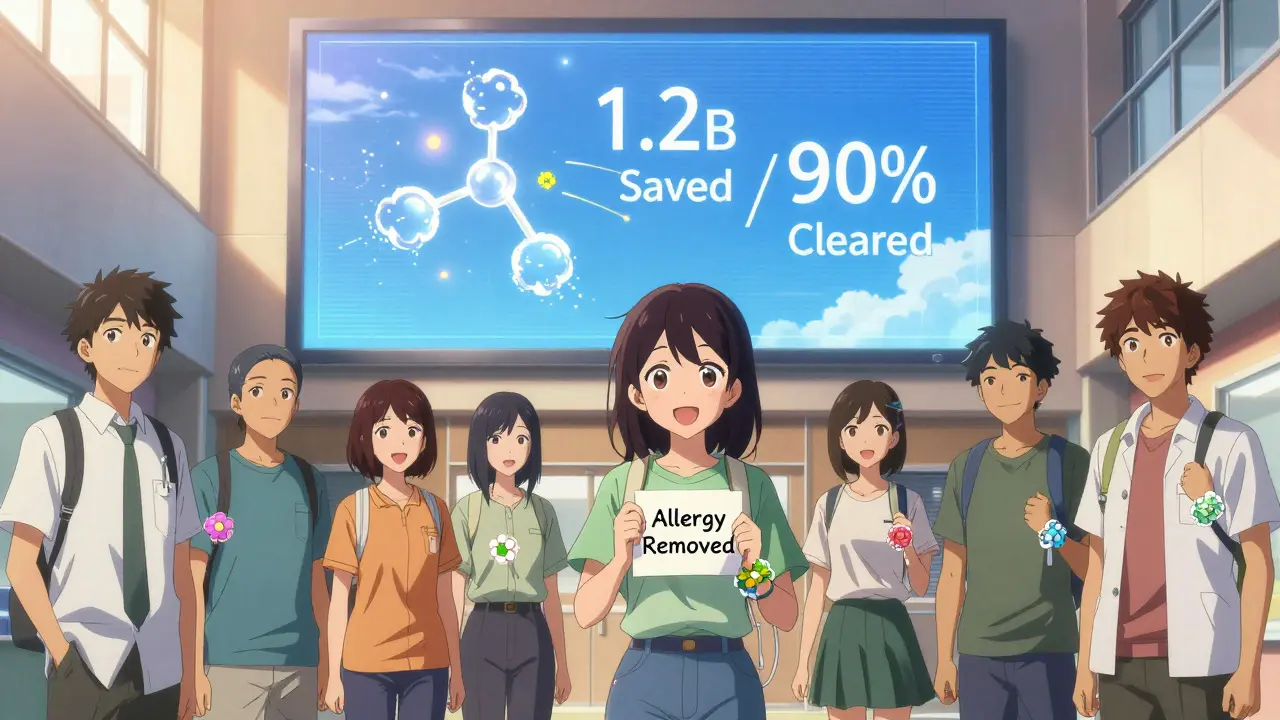
What You Should Do Right Now
If you’ve ever been told you’re allergic to penicillin - even if it was decades ago - here’s what to do:- Check your medical records. Does it say “penicillin allergy” without details?
- Ask your doctor: “Was this based on a test? Or just a reaction I had as a kid?”
- If it’s vague or old, ask for a referral to an allergist for testing.
- If you’re scheduled for surgery, bring this up. Ask if you can be tested before the procedure.
- If you’re cleared, make sure the allergy is removed from your chart - and ask for a written note.
How to Stay Safe If You Have a True Allergy
If you’ve been confirmed to have a true penicillin allergy:- Wear a medical alert bracelet that says “Penicillin Allergy”
- Tell every doctor, nurse, and pharmacist - every time
- Keep a list of safe antibiotics in your phone or wallet
- Know the signs of anaphylaxis: swelling, trouble breathing, dizziness. If you feel them, use epinephrine and call 911
Why This Matters for Everyone
Penicillin allergy mislabeling isn’t just your problem. It’s a public health issue. Every time someone gets an unnecessary broad-spectrum antibiotic, it increases the chance that bacteria will become resistant. That means future infections - like pneumonia, UTIs, or even a simple cut - could become untreatable. The CDC estimates that fixing penicillin mislabeling could save the U.S. healthcare system $1.2 billion a year. That’s not just money. It’s fewer hospital stays. Fewer deaths. Fewer superbugs. And it starts with one question: “Am I really allergic?”Can I outgrow a penicillin allergy?
Yes, most people do. About 80% of those with a true IgE-mediated penicillin allergy lose their sensitivity after 10 years without exposure. Even delayed rashes usually fade within 1-2 years. If you were told you were allergic as a child and haven’t taken penicillin since, you’re likely not allergic anymore.
Is a rash always a sign of penicillin allergy?
No. Many rashes that appear after taking penicillin are not allergic reactions. Viral infections, like mononucleosis or the flu, can cause rashes when combined with antibiotics. A flat, red rash that shows up days later is often harmless. Only a doctor can tell the difference - and testing is the only way to be sure.
Can I take cephalosporins if I’m allergic to penicillin?
For most people, yes. Third- and fourth-generation cephalosporins (like ceftriaxone) are safe even for those with a history of penicillin allergy - as long as they didn’t have a severe IgE-mediated reaction. First-generation cephalosporins like cefazolin are also safe for low-risk patients. Testing clears up any doubt.
What happens if I take penicillin and I’m allergic?
If you have a true IgE-mediated allergy, symptoms can appear within minutes and include swelling, trouble breathing, low blood pressure, or loss of consciousness. This is anaphylaxis - a medical emergency. Call 911 immediately and use an epinephrine auto-injector if you have one. Delayed reactions like rashes are less dangerous but still require medical attention.
How long does penicillin allergy testing take?
Typically less than an hour. Skin testing takes about 20 minutes. If that’s negative, you’ll take a small dose of amoxicillin and be monitored for one hour. Most people are cleared the same day. No hospital stay is needed.
Will my insurance cover penicillin allergy testing?
Yes, in most cases. Allergy testing is considered medically necessary when there’s a history of penicillin allergy. Many insurance plans cover it fully, especially if it’s recommended by your doctor to improve future treatment options. Check with your provider, but don’t assume it’s too expensive - the cost of unnecessary antibiotics is far higher.
Alexandra Enns
So let me get this straight - the entire U.S. medical system is just blindly trusting outdated paperwork from 1997 because someone’s kid got a rash after amoxicillin? 😑 This isn’t medicine, it’s medieval superstition with a stethoscope. I’ve seen people get flagged for penicillin allergies after a single hives episode in 2003 - and now they’re getting vancomycin for every UTI. Are we seriously paying billions to keep people on antibiotics that cause C. diff because no one wants to *check*? This is institutional laziness dressed up as caution.