
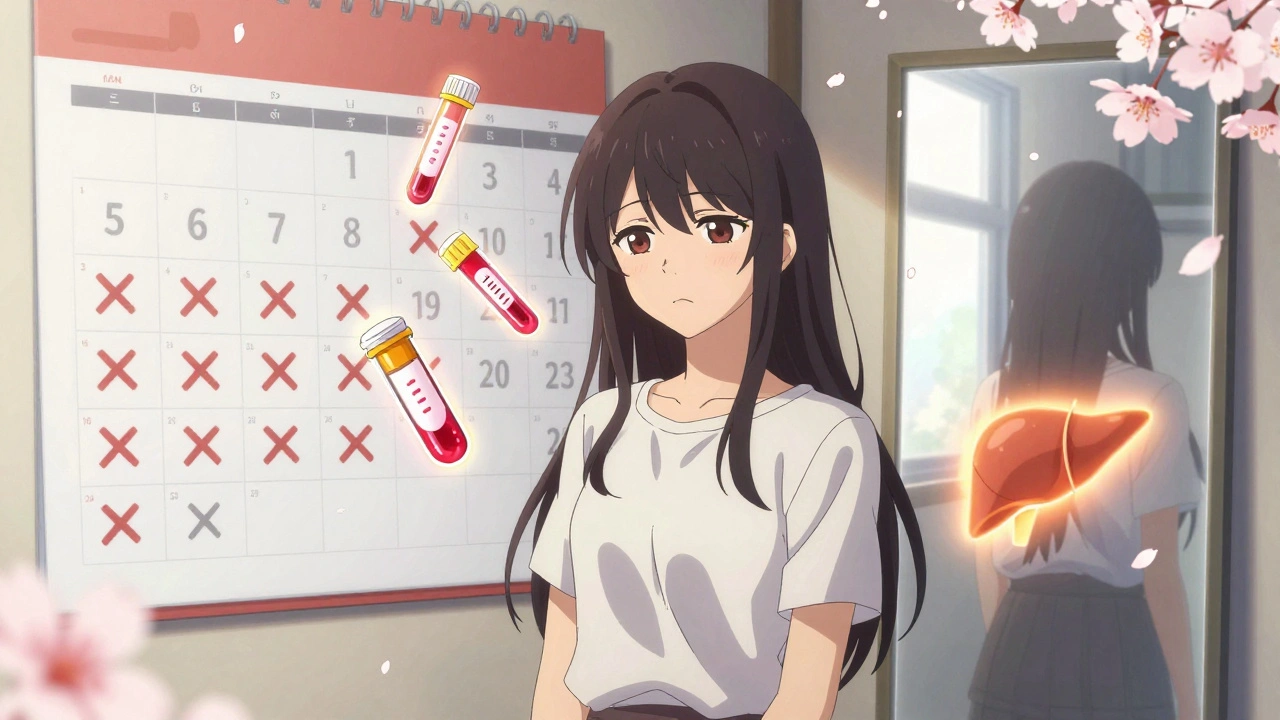
After a liver transplant, the hardest part isn’t the surgery-it’s the daily grind of staying alive. You got a second chance. But that chance depends on one thing: medication adherence. Miss a pill, ignore a symptom, skip a blood test-and you could lose your new liver. It’s not a scare tactic. It’s the truth backed by data from transplant centers across the U.S. and the U.K.
What Happens When Your Body Rejects the New Liver?
Your immune system is designed to fight off invaders-viruses, bacteria, anything foreign. A transplanted liver? To your body, it looks like an invader. Even with a perfect match, your immune system will try to attack it. That’s rejection. And it doesn’t always come with a siren. There are three types of rejection, each with its own timeline and warning signs:- Hyperacute rejection-rare today. Happens within minutes or hours after surgery. Your body already has antibodies against the donor organ. Modern cross-matching has made this almost unheard of.
- Acute rejection-the most common. Usually hits between 1 week and 3 months after transplant, but can show up anytime-even years later. This is the one you need to watch for.
- Chronic rejection-slow, silent, and dangerous. It creeps in over months or years. By the time you feel it, damage may already be done.
Signs Your Liver Is Being Rejected
Acute rejection doesn’t always scream. Sometimes it whispers. But here’s what to look for:- Fever over 100°F-not just a cold. If your temperature climbs without an obvious reason, treat it as a red flag.
- Pain or tenderness-right side, under your ribs. Not sharp, but a deep, constant ache.
- Flu-like symptoms-chills, headaches, muscle aches, fatigue. If you feel like you’re coming down with something, but no cough or runny nose, it could be rejection.
- Dark urine or jaundice-yellowing skin or eyes. Your liver isn’t processing bile like it should.
- Rapid weight gain-more than 5 pounds in 48 hours. Fluid retention is a classic sign your liver isn’t filtering properly.
- Elevated liver enzymes-this won’t be something you feel. But your blood tests will show it. ALT and AST levels rising? That’s your liver screaming for help.
Medication Adherence: Your Lifeline, Not a Suggestion
You’ll be on a cocktail of immunosuppressants for life. Usually three types:- Calcineurin inhibitors-tacrolimus or cyclosporine. These are your backbone drugs. They stop your immune cells from attacking the liver.
- Antimetabolites-mycophenolate or azathioprine. They slow down immune cell production.
- Corticosteroids-like prednisone. Used early on, then tapered down. But some people stay on low doses long-term.
Why People Miss Doses (And How to Fix It)
It’s not laziness. It’s complexity. In the first year, you might be taking 12 pills a day. At different times. With food. Without food. Some need blood tests before you can refill. Others interact with grapefruit, antacids, even herbal teas. Side effects make it worse:- Tremors from tacrolimus-shaky hands, trouble holding a cup.
- High blood pressure-65% of patients deal with it.
- Weight gain, acne, mood swings.
- Cost-$28,000 a year without insurance. Many skip doses because they can’t afford them.
- Medication organizers-pill boxes with days and times marked. Used by 63% of long-term survivors.
- Smartphone alarms-set 2-3 alarms per dose. A 2022 JAMA study showed a 37% improvement in adherence with reminders.
- Family or friend support-someone who checks in. Studies show this cuts rejection risk by 28%.
- Pharmacist reviews-monthly check-ins with a transplant pharmacist. Johns Hopkins reports 92% adherence with this system. The national average? 76%.
- Smart pill bottles-bottles that beep when opened and sync to your phone. Used by 35% of top transplant centers. Early data shows a 22% drop in rejection episodes.

Monitoring: Blood Tests Are Your Early Warning System
You can’t rely on how you feel. Your liver might be failing and you won’t know until it’s too late. Here’s the standard monitoring schedule:- Week 1: Weekly blood tests
- Weeks 2-12: Every other week
- Months 4-12: Monthly
- After Year 1: Every 3 months (unless something changes)
- ALT and AST-liver enzymes. Spike? Rejection risk.
- Bilirubin-if it rises, your liver isn’t processing waste.
- Albumin and INR-measures how well your liver makes proteins and clots blood.
- Tacrolimus trough levels-must stay in the target range.
The Future: Personalized Care and Hope Beyond Pills
The field is changing fast. In January 2023, the FDA approved the first genetic test-XyGlo-to predict how your body metabolizes tacrolimus. That means dosing isn’t guesswork anymore. It’s tailored to your DNA. New drugs like belatacept are showing promise. In trials, they cut chronic rejection by 18% over five years compared to traditional drugs. And they’re easier on the kidneys. The most exciting breakthrough? Operational tolerance. In a 2023 study by the Immune Tolerance Network, 40% of patients who got a stem cell transplant along with their liver stopped needing immunosuppressants after 18 months. Their bodies accepted the new organ-and didn’t attack it. This isn’t science fiction. It’s happening. And it’s why adherence today matters-for your future, and for the next generation of transplant patients.What Happens If You Stop Taking Your Meds?
It’s not a question of “if” you’ll reject. It’s “when.” Without immunosuppressants, your immune system will start attacking your liver. First, enzymes rise. Then, you get tired. Then, your skin turns yellow. Fluid builds up. Your belly swells. Your kidneys start to fail. You’ll be back in the hospital. And the chances of getting another transplant? Slim. Priority goes to those who haven’t failed one yet. The data is clear: patients with adherence below 80% have a 42% chance of losing their liver in 10 years. Those at 95%+? 85% survival.
What If You Can’t Afford Your Meds?
You’re not alone. $28,000 a year is crushing. But there are options:- Ask your transplant center’s social worker. Most have financial aid programs.
- Apply for Patient Assistance Programs (PAPs) from drug manufacturers. Most offer free or discounted meds to low-income patients.
- Check if you qualify for Medicaid or Medicare. Transplant patients often get automatic eligibility.
- Don’t skip doses to make pills last. Talk to your pharmacist. They can often switch you to a cheaper generic or adjust your schedule.
What Should You Do Tomorrow?
Start here:- Set 3 alarms on your phone for each dose. Don’t rely on memory.
- Buy a 7-day pill organizer. Fill it every Sunday.
- Call your transplant center. Ask for a pharmacist consult. They’ll walk you through your regimen.
- Write down every side effect. Don’t ignore them. They’re clues.
- Bring a family member to your next blood test. Two sets of ears are better than one.
Can you reject a liver transplant even after years?
Yes. Acute rejection can happen at any time-even 10 years after transplant. Chronic rejection develops slowly over years. That’s why lifelong monitoring and medication adherence are non-negotiable. You’re not “out of the woods” after a year. You’re just getting started.
What happens if I miss one dose of my immunosuppressant?
One missed dose won’t cause immediate rejection, but it lowers your drug levels enough to give your immune system a chance to act. Even one missed dose per week increases your risk of rejection by 23% over time. If you miss a dose, take it as soon as you remember-if it’s within a few hours. If it’s been longer, call your transplant team. Never double up without guidance.
Are there natural ways to reduce rejection risk?
No. There are no herbs, supplements, or diets that can replace immunosuppressants. Some-like St. John’s Wort, grapefruit, or echinacea-can interfere with your meds and cause rejection. Stick to what your transplant team prescribes. Healthy eating and exercise help your overall health, but they don’t stop your immune system from attacking your liver.
How do I know if my liver is working well?
You won’t always feel it. That’s why blood tests are critical. Normal liver enzymes (ALT, AST), bilirubin, and albumin levels mean your liver is functioning. Stable tacrolimus levels in your blood mean your meds are working. Feeling fine doesn’t mean your liver is fine. Trust the numbers, not your gut.
Can I ever stop taking immunosuppressants?
For most people, no. Lifelong medication is the standard. But research is changing that. In clinical trials, about 40% of patients who received a combined stem cell and liver transplant achieved operational tolerance-meaning their body accepted the new liver without drugs. This is still experimental and only available in specialized centers. Don’t stop your meds unless your transplant team gives you a clear, tested plan.
What should I do if I’m feeling depressed or overwhelmed?
Depression and anxiety are common after transplant. The stress of lifelong meds, side effects, and fear of rejection can wear you down. Talk to your transplant team. Most centers have counselors or psychiatrists who specialize in transplant patients. You’re not weak for struggling. You’re human. And support is part of your treatment plan.
Tim Tinh
Man, I wish I had this info when I first got my transplant. I missed like 3 doses in the first month cuz I thought I was fine. Turned out my ALT was through the roof. Don't be me. Set those alarms. Buy the pillbox. Your future self will thank you.