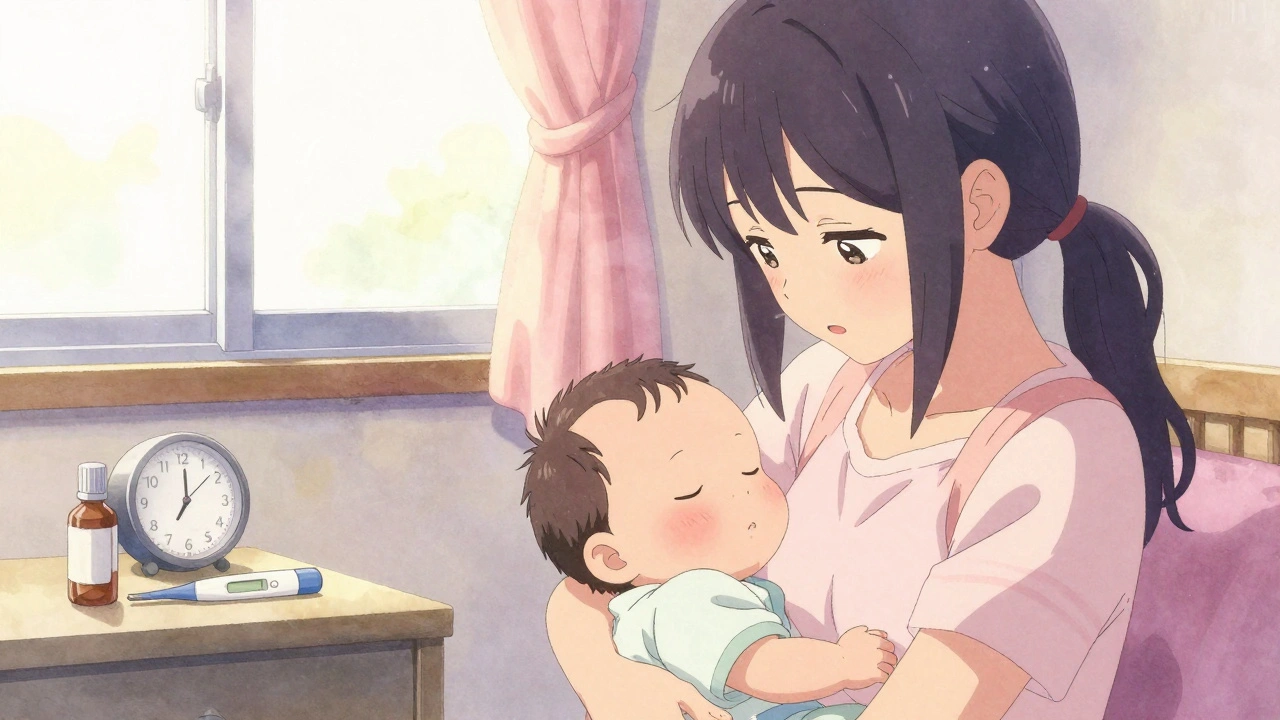
When your child has a fever, the goal isn’t to eliminate it completely—it’s to help them feel better while their body fights off infection. Children's fever medicine, over-the-counter drugs like acetaminophen and ibuprofen used to reduce fever and discomfort in kids. Also known as pediatric fever reducers, these medications are among the most commonly used in households with young children. But not all fever treatments are created equal. What works for one child might be risky for another, especially if they’re under two, have allergies, or are on other meds. The biggest mistake? Giving aspirin. It’s linked to Reye’s syndrome, a rare but deadly condition that affects the liver and brain. That’s why you’ll never see aspirin on a pediatrician’s fever-reducing list.
Acetaminophen, the most common fever reducer for children, often sold under brands like Tylenol. Also known as paracetamol, it’s gentle on the stomach and safe for infants as young as two months when dosed correctly. But even acetaminophen can be dangerous if you give too much. Overdosing is easy because it’s in so many cold and flu products—some parents don’t realize they’re doubling up. Ibuprofen, found in Advil or Motrin, is another top choice, usually for kids six months and older. It lasts longer than acetaminophen and can also reduce swelling, making it useful for earaches or teething pain. But ibuprofen isn’t for every child. If your kid is dehydrated, has kidney issues, or is vomiting, it can stress their system. Always check weight-based dosing charts, not age. A 20-pound toddler needs a very different amount than a 60-pound child.
What about home remedies? Cold baths? Ice packs? No. These can cause shivering, which raises body temperature. Light clothing, cool fluids, and a calm environment do more good than any quick fix. And never, ever use alcohol rubs or herbal teas without checking with a doctor—some natural products contain hidden ingredients that can interact with meds or trigger allergies.
You’ll find posts here that dig into exactly how to dose these medicines safely, what to do when your child keeps spitting them out, and why some fever reducers are being pulled from shelves. There’s also advice on spotting signs that a fever isn’t just a virus—when it’s time to call the doctor, and when to worry about something deeper. We cover what’s in your medicine cabinet, what’s not safe, and how to avoid common mistakes that parents didn’t even know they were making.