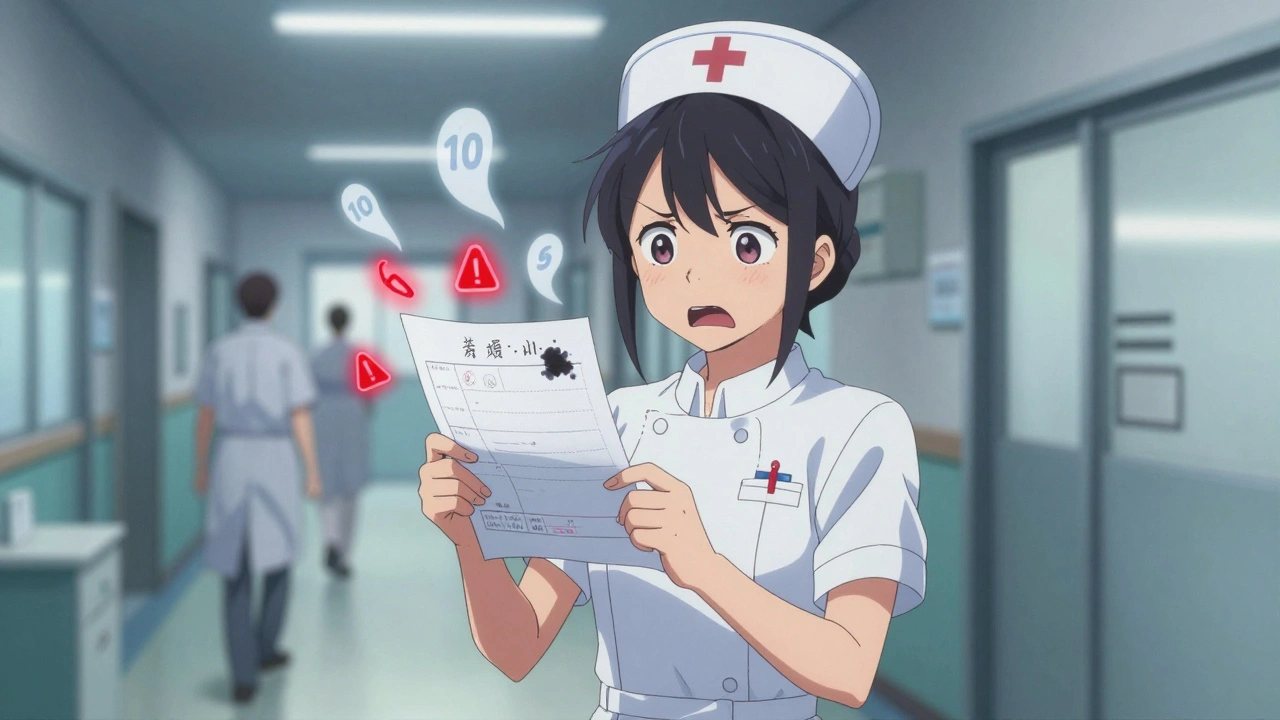
When your doctor sends your prescription straight to the pharmacy through a secure system, that’s e-prescribing, a digital method of transmitting prescriptions from healthcare providers to pharmacies without paper or fax. Also known as electronic prescribing, it’s now the standard in most U.S. clinics and hospitals because it cuts mistakes, speeds up fills, and keeps your health data safe. Before e-prescribing, errors from handwritten scripts were common—wrong doses, confused drug names, illegible handwriting. Now, systems flag dangerous interactions, check for allergies in real time, and even suggest cheaper alternatives. It’s not just a tech upgrade—it’s a safety net.
E-prescribing doesn’t just help doctors. It helps pharmacies too. Instead of calling back to clarify a scribble, they get clear instructions: exact drug name, strength, dosage, refill rules. Pharmacists can spot duplicate therapies or overuse risks before you even walk in. And for patients? No more running out of refills because you lost the paper. You can get your meds faster, and your insurance gets processed automatically. Systems like e-prescribing systems, software platforms used by providers to send digital prescriptions are tied into national networks, so your record follows you across clinics and states. That’s huge if you see multiple doctors or travel often.
It also connects to other parts of your care. If you’re on blood thinners, the system can alert your doctor if you’re prescribed something that clashes. If you’re elderly and taking ten meds, it flags potential overlaps. Even when you’re traveling, your digital prescription can be accessed by an emergency provider—no need to dig through your purse for a slip of paper. And with tools like digital prescription copies, secure electronic versions of your prescriptions stored on phones or cloud apps, you always have backup. This isn’t science fiction—it’s what’s already saving lives every day.
But e-prescribing isn’t perfect. Some older systems are clunky. Not all pharmacies are connected. And if your doctor’s office doesn’t update their software, you might still get paper. Still, the trend is clear: paper prescriptions are fading. The best part? You don’t need to do anything special to benefit. Just ask your provider if they use e-prescribing—and if they don’t, it’s worth asking why.
Below, you’ll find real-world stories and guides on how digital prescriptions tie into medication safety, travel prep, drug shortages, and even how to protect your health data. Whether you’re managing a chronic condition, caring for an aging parent, or just want to make sure your meds are handled right, these posts show how e-prescribing isn’t just about technology—it’s about better, smarter care.