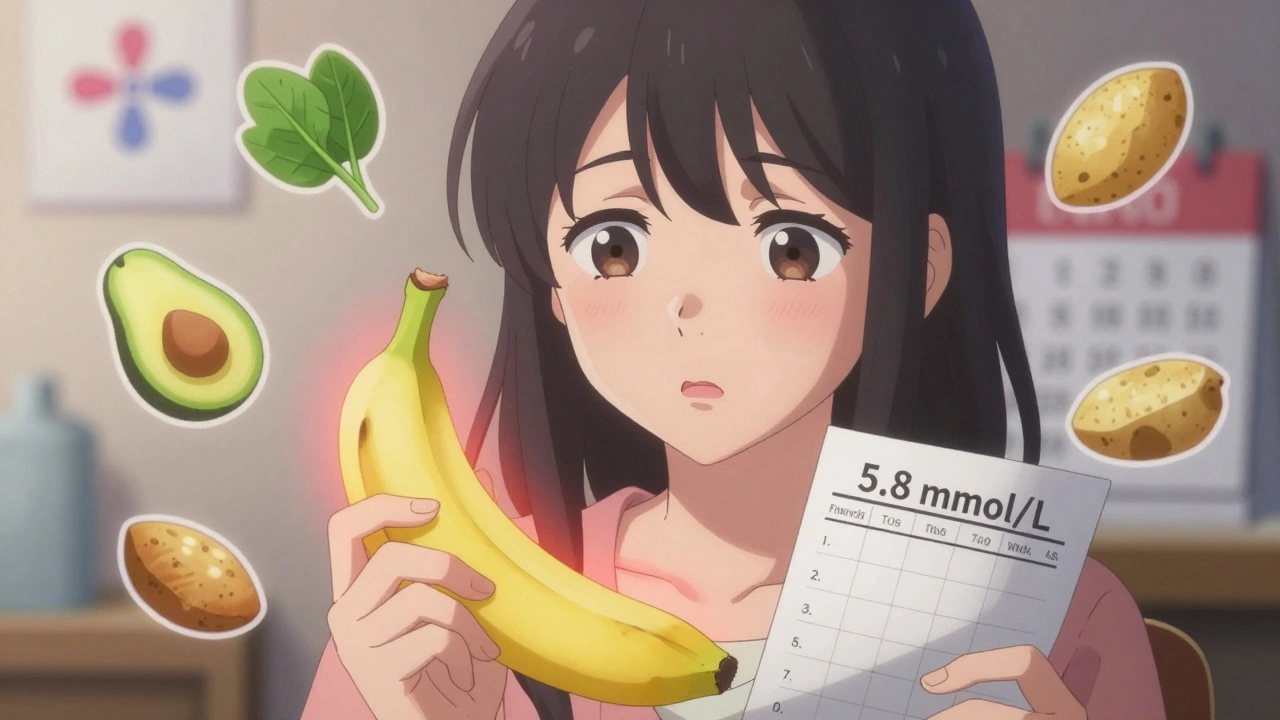
When your body has the right amount of potassium, a vital mineral that helps nerves and muscles work properly and keeps your heartbeat regular. It's found naturally in many whole foods, and getting enough can lower blood pressure and reduce stroke risk. But if your kidneys aren't working well, too much potassium can build up and become dangerous—sometimes life-threatening. That’s why knowing which foods are high in potassium isn’t just about nutrition—it’s about safety.
People with kidney disease, a condition where the kidneys can’t filter waste and excess minerals like potassium effectively need to be especially careful. The same foods that help healthy people stay strong—bananas, spinach, sweet potatoes, and avocados—can push potassium levels too high in someone with damaged kidneys. Even a small change in diet can affect blood test results. That’s why doctors often recommend a low-potassium diet, a controlled eating plan designed to keep potassium levels stable and prevent heart rhythm problems for those with chronic kidney issues. But you don’t have to give up all good foods. There are smart swaps: swap a banana for an apple, choose white rice over brown, and rinse canned beans to cut potassium by up to 50%.
It’s not just about avoiding certain foods—it’s about consistency. If you’re on blood pressure meds like ACE inhibitors or diuretics, your potassium levels can swing based on what you eat. One day you’re eating a big salad, the next you’re skipping veggies, and suddenly your lab numbers are out of range. That’s why many people with kidney problems work with dietitians to build predictable, repeatable meals. And if you’ve ever been told to watch your potassium because of a heart condition or medication, you’re not alone. Millions of people manage this daily, often without even realizing how much their food choices matter.
You’ll find real stories in the posts below—how someone with kidney failure learned to eat potatoes again after soaking them, why a transplant patient had to rethink their smoothie habit, and how a simple switch from salt substitutes to herbs saved a man from a hospital trip. These aren’t theoretical tips. They’re lived experiences from people who’ve been there. Whether you’re trying to lower your potassium, need to boost it safely, or just want to understand what’s really in your food, the articles here give you clear, no-fluff guidance. No guesswork. Just what works.