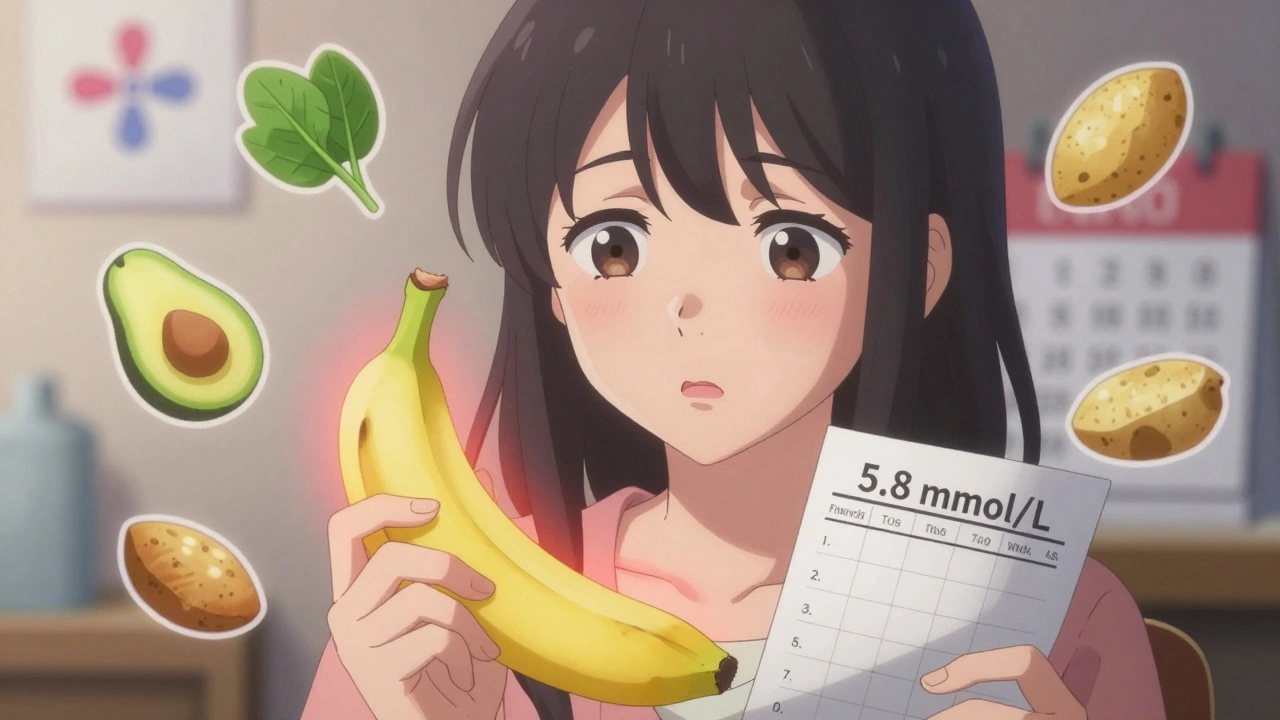
When your blood potassium climbs too high, you’re dealing with hyperkalemia, a condition where potassium levels in the blood exceed safe limits, often leading to dangerous heart rhythms or cardiac arrest. Also known as high potassium, it doesn’t always cause symptoms—until it’s too late. This isn’t just a lab number. It’s a silent threat, especially if you have kidney disease, a condition where damaged kidneys can’t filter excess potassium from the blood, or take common drugs like ACE inhibitors or potassium-sparing diuretics.
Many people don’t realize their meds are quietly raising their potassium. potassium-lowering drugs, medications like sodium polystyrene sulfonate or patiromer used to treat high potassium levels exist for a reason: common prescriptions for blood pressure, heart failure, and diabetes can push potassium into dangerous territory. Even salt substitutes and herbal supplements sneak in extra potassium. If you’re on any of these drugs, your doctor should check your potassium at least twice a year. If you’re not, ask why.
Hyperkalemia doesn’t care if you feel fine. One study showed over 40% of hospitalizations for high potassium happened in people with no prior symptoms. It hits harder if you’re older, diabetic, or on multiple medications. The real danger? It mimics other problems—fatigue, muscle weakness, irregular heartbeat—and gets missed until an EKG shows it. That’s why knowing your meds and your numbers matters more than ever.
Below, you’ll find real-world guides on how medications—like those used after transplants or for heart conditions—can quietly raise potassium. You’ll see how to spot the signs before it’s an emergency, what to ask your pharmacist when your prescription changes, and how to avoid common mistakes that land people in the ER. This isn’t theory. It’s what keeps people alive.