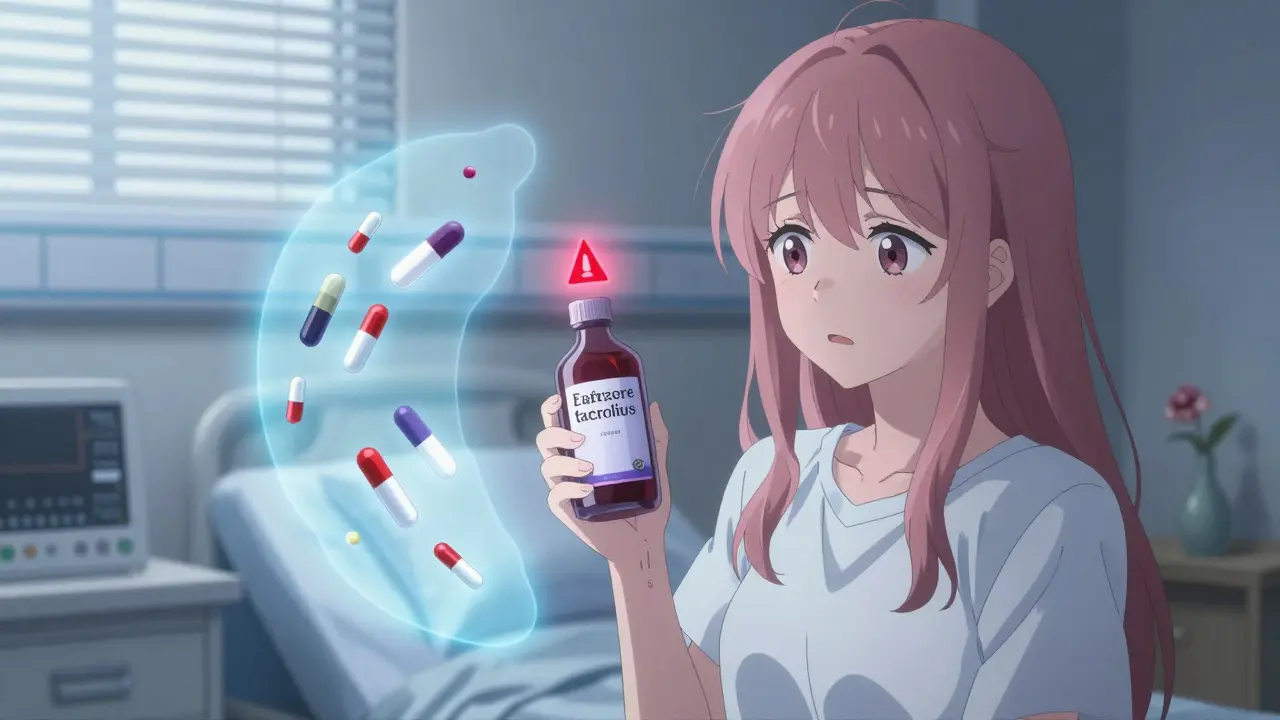
When your immune system turns against your own body—attacking joints, skin, or nerves—it’s not overreacting. It’s malfunctioning. That’s where immunosuppressants, drugs that intentionally weaken the immune system to stop it from attacking healthy tissue. Also known as anti-rejection drugs, they’re essential for people with autoimmune diseases like multiple sclerosis, a condition where the immune system damages the nervous system, or those who’ve had organ transplants, where the body tries to reject the new organ like an invader.
These drugs don’t just turn off one part of the immune system. They hit multiple targets: T-cells, B-cells, cytokines. Some block signals that tell immune cells to multiply. Others prevent cells from even recognizing the body as "self." That’s why they’re used in autoimmune disease, a group of conditions where the immune system mistakenly attacks the body’s own tissues like lupus or rheumatoid arthritis. But because they lower your body’s defenses, they come with trade-offs. You’re more vulnerable to infections, and long-term use can raise risks for certain cancers or kidney damage. That’s why doctors don’t prescribe them lightly. They’re not painkillers. They’re precision tools for a system that’s gone rogue.
What you won’t find in most patient brochures is how these drugs interact with other meds. For example, if you’re on warfarin, a blood thinner that requires strict diet and drug consistency, an immunosuppressant might change how your body processes it. Or if you’re traveling to a humid climate, you need to know how heat and moisture can degrade these pills—just like any other medication. And if you’re caring for an elderly person on multiple drugs, you’ve got to watch for polypharmacy risks, the dangers of taking too many medications at once, where immunosuppressants can amplify side effects or cause dangerous interactions.
These aren’t just pills you take and forget about. They require monitoring, timing, and awareness. You need to know when to call your doctor about a fever, how to protect your meds from humidity, and why skipping a dose isn’t harmless. The posts below cover exactly that: real stories, real risks, and real fixes—from how transplant patients manage their meds to why some people on immunosuppressants end up with hearing loss from other drugs. You’ll find practical advice on avoiding mistakes, recognizing warning signs, and staying safe while your immune system is under control. No fluff. No guesses. Just what you need to know to use these powerful drugs without putting your health at risk.