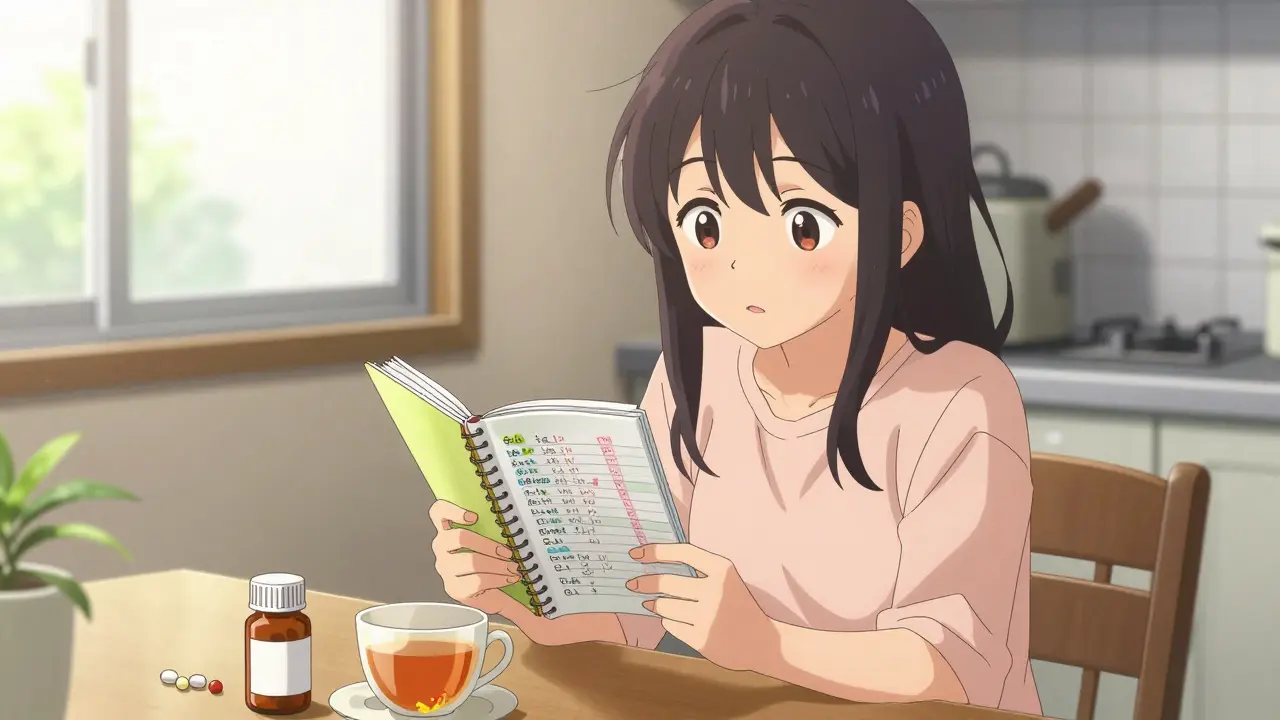
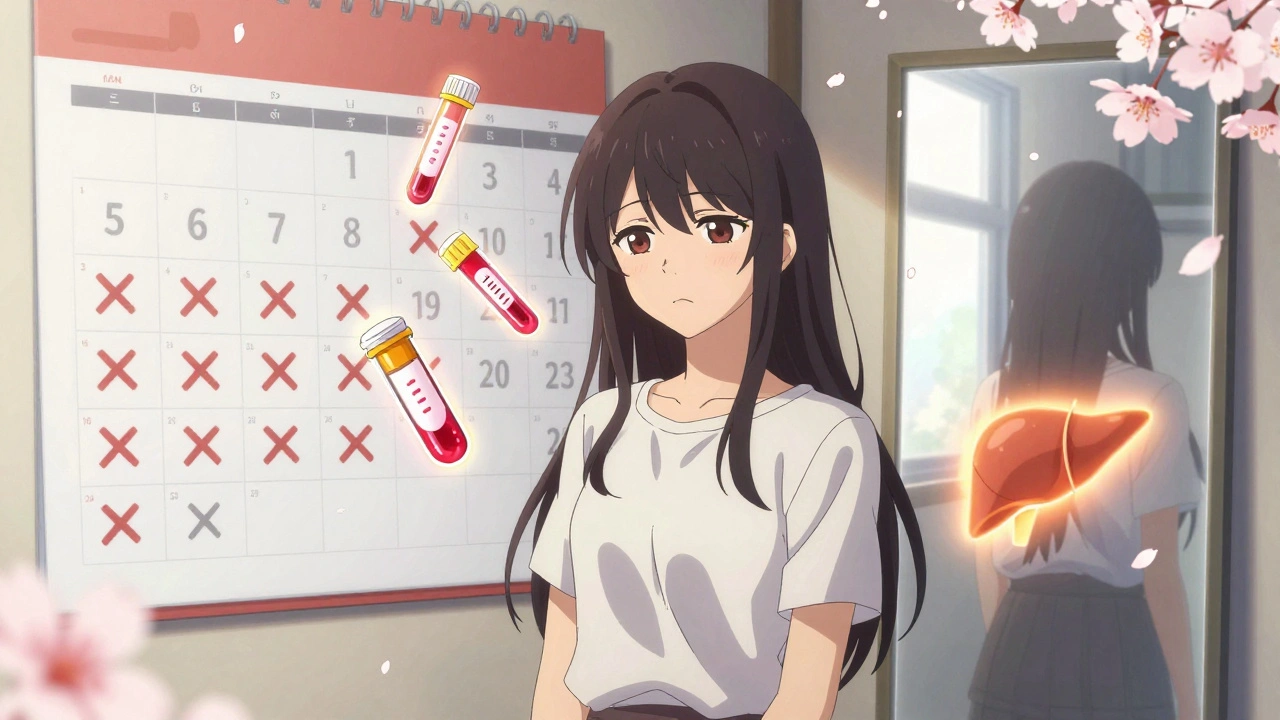
When you’re told to take a medication every day, medication adherence, the practice of taking drugs exactly as prescribed by a doctor. Also known as drug compliance, it’s not a suggestion—it’s the difference between getting better and getting worse. Half of all people with chronic conditions like high blood pressure, diabetes, or depression don’t take their meds as directed. And it’s not because they’re careless. It’s because the system is broken.
Some forget. Others can’t afford the pills. Some get scared by side effects. A lot of older adults juggle ten different bottles and lose track. And sometimes, doctors don’t explain why the medicine matters. The result? Hospital visits. Worsening conditions. Even death. Studies show medication adherence is a bigger factor in health outcomes than nearly any new drug on the market. Yet we treat it like an afterthought.
It’s not just about remembering to take a pill. It’s about understanding why you’re taking it, how it works, and what happens if you stop. It’s about packaging that makes sense, refills that don’t require three phone calls, and pharmacists who actually ask, "Are you having trouble with your meds?" It’s about knowing that skipping one dose of a blood thinner might lead to a stroke, or missing a few days of insulin could land you in the ER. medication errors, mistakes in how drugs are taken, stored, or managed. Also known as drug misuse, these aren’t rare accidents—they’re systemic failures. And they’re preventable.
That’s why the posts here aren’t just about drugs—they’re about the real-world struggles of taking them. You’ll find stories on how illegible handwriting once killed people, and how digital prescriptions fixed it. You’ll learn why giving fever medicine after a vaccine can backfire, how to keep pills stable in humid climates, and why warfarin patients don’t need to avoid spinach—just eat the same amount every day. You’ll see how elderly patients miss doses because labels are too small, how veterans get generics through VA formularies, and why some people stop statins because they think the muscle pain is the drug’s fault—when it’s often something else entirely.
These aren’t theoretical problems. They’re daily realities for millions. And the solutions? They’re practical, simple, and often free. You don’t need fancy tech to improve adherence. You need clear instructions, consistent routines, and someone who asks, "How’s it going?" This collection gives you the tools to do just that—whether you’re taking meds yourself, helping a parent, or just trying to understand why this matters so much.