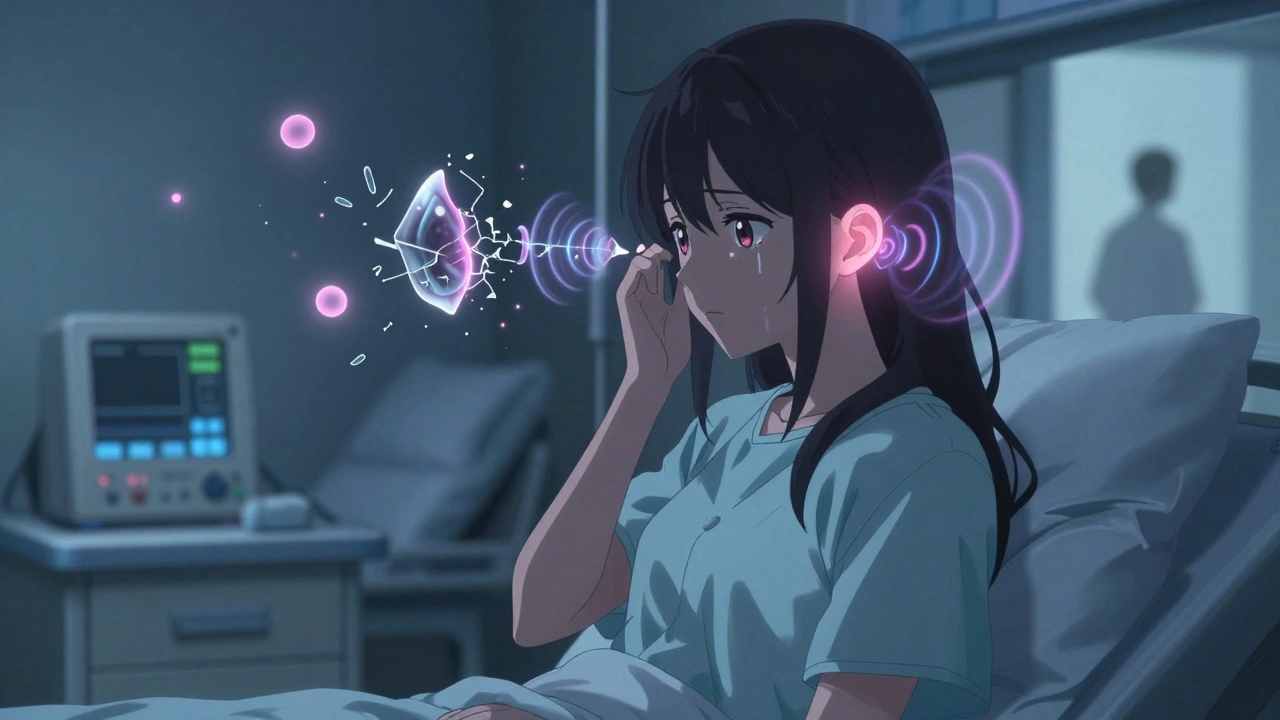
When you take an ototoxic antibiotic, a type of medication that can damage the inner ear or auditory nerve. Also known as ear-damaging antibiotics, these drugs are powerful enough to kill dangerous bacteria—but they don’t distinguish between bad bugs and the delicate cells in your inner ear that let you hear. This isn’t rare. Thousands of people each year experience hearing loss, ringing in the ears, or balance problems after taking antibiotics like gentamicin, vancomycin, or streptomycin—drugs that work great for infections but carry hidden risks.
Not all antibiotics do this. Penicillin or amoxicillin? Usually safe. But the aminoglycosides, a class of antibiotics used for serious infections like sepsis or cystic fibrosis complications are the usual suspects. They slip into your inner ear and wreck the hair cells that turn sound into electrical signals your brain understands. Once those cells die, they don’t come back. That’s why even a short course can lead to permanent damage. And it’s not just hearing—vestibular toxicity, damage to the balance system in your inner ear can make you dizzy, nauseous, or unsteady on your feet, especially in older adults or people with kidney issues.
Here’s the thing: doctors don’t give these drugs lightly. They’re reserved for life-threatening infections where safer options won’t cut it. But if you’re on one, you need to know the signs: muffled hearing, ringing that won’t go away, trouble hearing high-pitched sounds, or feeling like the room is spinning. If you notice any of these, tell your doctor right away—even if you think it’s just temporary. The earlier you catch it, the better your chances of stopping further damage.
Some people are more at risk. Kids, seniors, and those with kidney disease are more likely to build up these drugs in their system. If you’ve had hearing problems before, or if a close relative lost hearing after antibiotics, that’s worth mentioning too. And don’t assume you’re safe just because you’re not in the hospital—some of these drugs are still used in outpatient settings, especially for long-term infections.
What you’ll find in the posts below isn’t just a list of risky drugs. It’s real-world guidance on spotting trouble early, understanding why some people react worse than others, and how to talk to your doctor about alternatives without sounding alarmist. You’ll see how medication errors, storage issues, and even travel can affect how these drugs behave in your body. And you’ll learn what steps patients and caregivers can take to protect hearing while still getting the treatment they need.