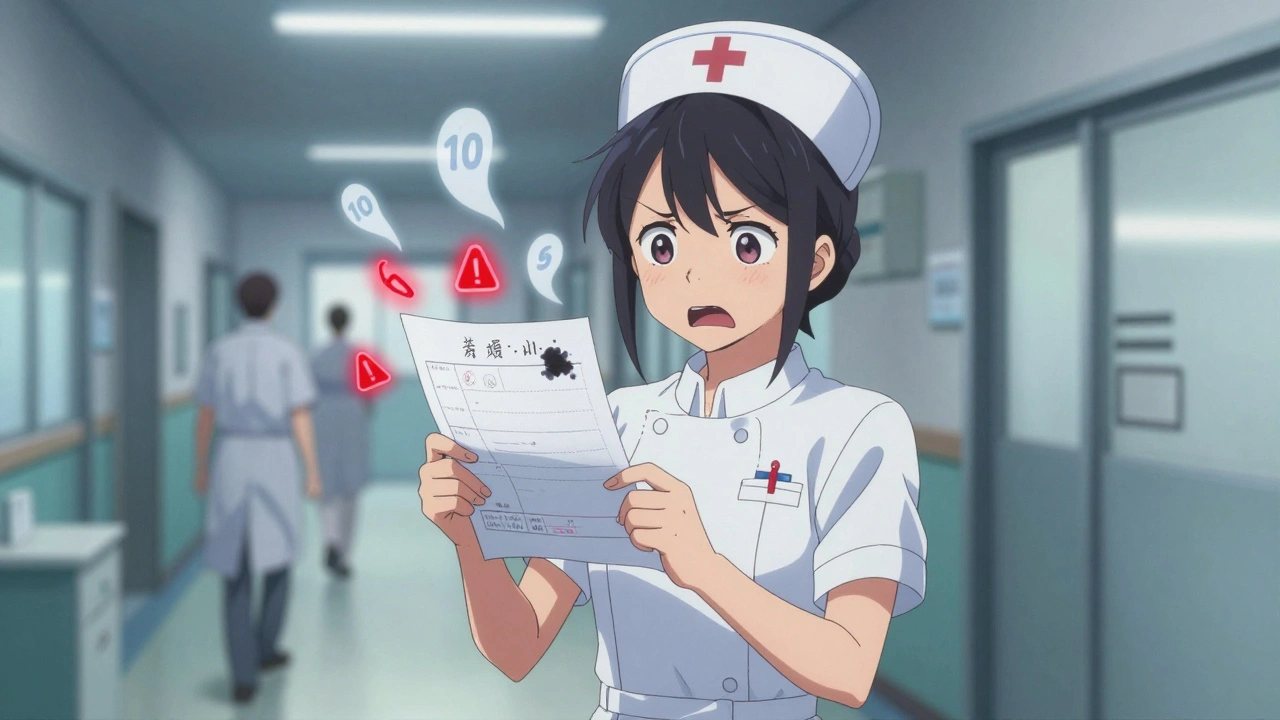
When you take a pill, get an injection, or start a new treatment, patient safety, the practice of preventing harm caused by medical care. Also known as healthcare safety, it’s not about avoiding all risk—it’s about stopping the risks you don’t need to take. Every year, millions of people suffer harm because of mistakes in medication, miscommunication, or poor monitoring. These aren’t rare accidents. They’re systemic problems—and you have more power to stop them than you think.
medication errors, mistakes in prescribing, dispensing, or taking drugs are the #1 cause of preventable harm in hospitals and homes. It’s not just about wrong doses. It’s about taking a drug that interacts with another, forgetting to tell your doctor you’re on blood thinners, or storing pills in a humid bathroom until they break down. adverse drug reactions, harmful side effects from medications taken correctly can be just as dangerous. Aminoglycosides can wreck your hearing. Warfarin needs steady vitamin K. Even common drugs like metformin or statins have hidden risks if you don’t know the signs.
Older adults are especially vulnerable. medication safety for seniors, the practice of managing multiple drugs without causing harm isn’t just about fewer pills—it’s about understanding why each one is there, catching interactions before they cause falls or confusion, and knowing how to report a mistake when you see one. A simple mix of NSAIDs and blood pressure meds can spike kidney damage. A missed refill on an HIV drug can lead to resistance. These aren’t hypotheticals. They’re real stories from people who didn’t know what to look for.
Knowing how to read an FDA label, tracking post-marketing studies, or carrying a multilingual medication list isn’t just helpful—it’s life-saving. You don’t need to be a doctor to spot a red flag. If your pill looks different, if your symptoms changed after a new prescription, if your pharmacist says "this isn’t what we usually give"—speak up. The system isn’t perfect. But you can be the last line of defense.
Below, you’ll find real, practical guides on exactly how to protect yourself—from avoiding ototoxic antibiotics and managing jet lag with melatonin, to spotting errors in elderly care and storing light-sensitive eye drops properly. These aren’t theory pieces. They’re tools you can use today to make sure your next dose doesn’t hurt you.