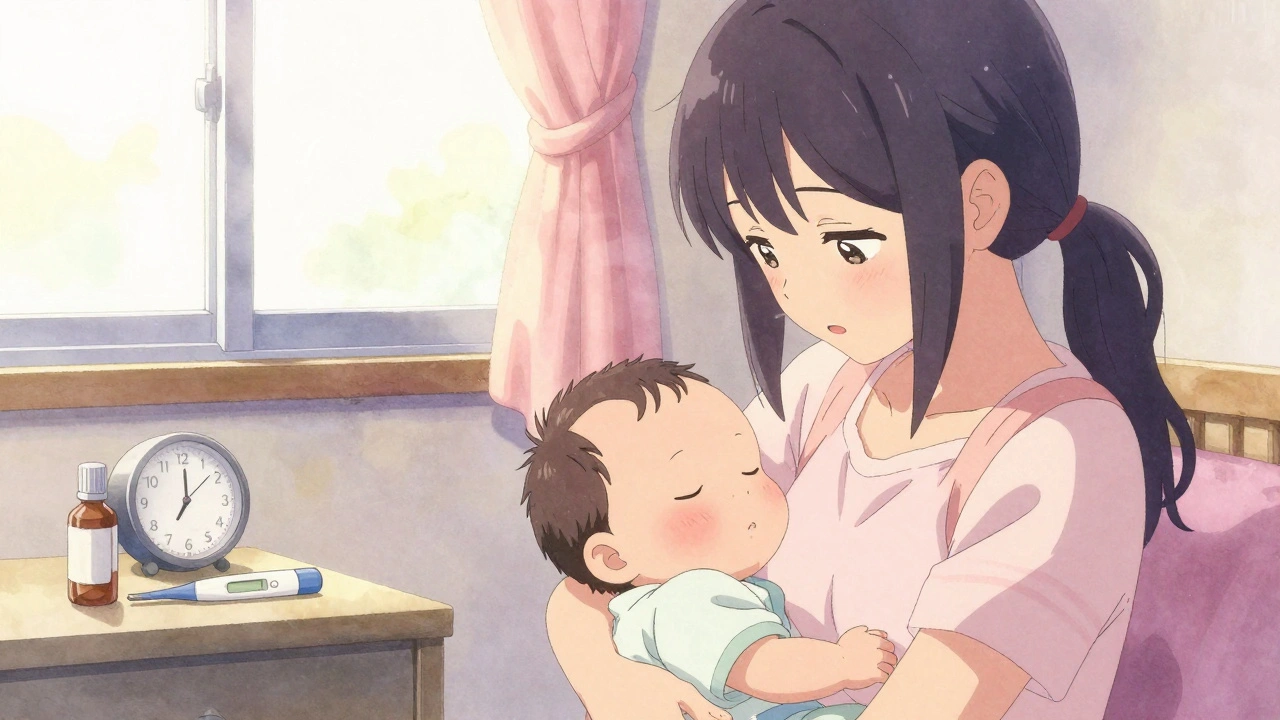
When your body reacts to a vaccine, it’s not broken—it’s working. Post-vaccine fever, a temporary rise in body temperature following immunization. Also known as vaccine reaction fever, it’s one of the most common signs your immune system is learning how to fight off a virus. This isn’t the same as getting sick. It’s your body’s way of building protection, like a fire drill for your defenses. Most people feel a low-grade fever—around 99°F to 101°F—within 24 hours after getting a shot. It usually fades on its own in a day or two.
Not everyone gets it, and that’s okay. Some people feel nothing. Others get a headache, chills, or muscle aches along with the fever. These aren’t side effects you should fear—they’re signals. Vaccine side effects, the body’s normal response to being introduced to a harmless piece of a virus. The same thing happens with flu shots, COVID boosters, and even childhood vaccines like MMR. The key is knowing the difference between a normal reaction and something serious. If your fever goes above 102°F, lasts longer than 48 hours, or comes with confusion, trouble breathing, or a rash that spreads, it’s time to call your doctor. But for most people, rest, water, and an over-the-counter pain reliever like acetaminophen are all you need.
Fever after vaccination, a controlled immune response triggered by antigen exposure. It’s not the vaccine causing infection—it’s your immune cells activating. Think of it like training for a race. Your body doesn’t run the full marathon right away. It starts with warm-ups. The fever is that warm-up. And just like with exercise, the more you’ve trained (or been vaccinated before), the milder the reaction tends to be. Kids often have stronger reactions than adults. Older adults might feel little to nothing. That’s normal variation, not a sign the shot didn’t work.
What you shouldn’t do? Avoid ibuprofen before the shot thinking it’ll prevent fever. Studies show that might actually weaken your immune response. Wait until after you feel symptoms. And don’t skip your next dose because you had a fever last time. That’s like quitting running because your legs hurt after your first jog. The real risk isn’t the fever—it’s not being protected when you need it most.
Below, you’ll find real, practical advice from people who’ve been through this—whether it’s managing fever after a flu shot, understanding why some vaccines cause more reaction than others, or knowing when to reach out for help. No fluff. No fearmongering. Just what works.