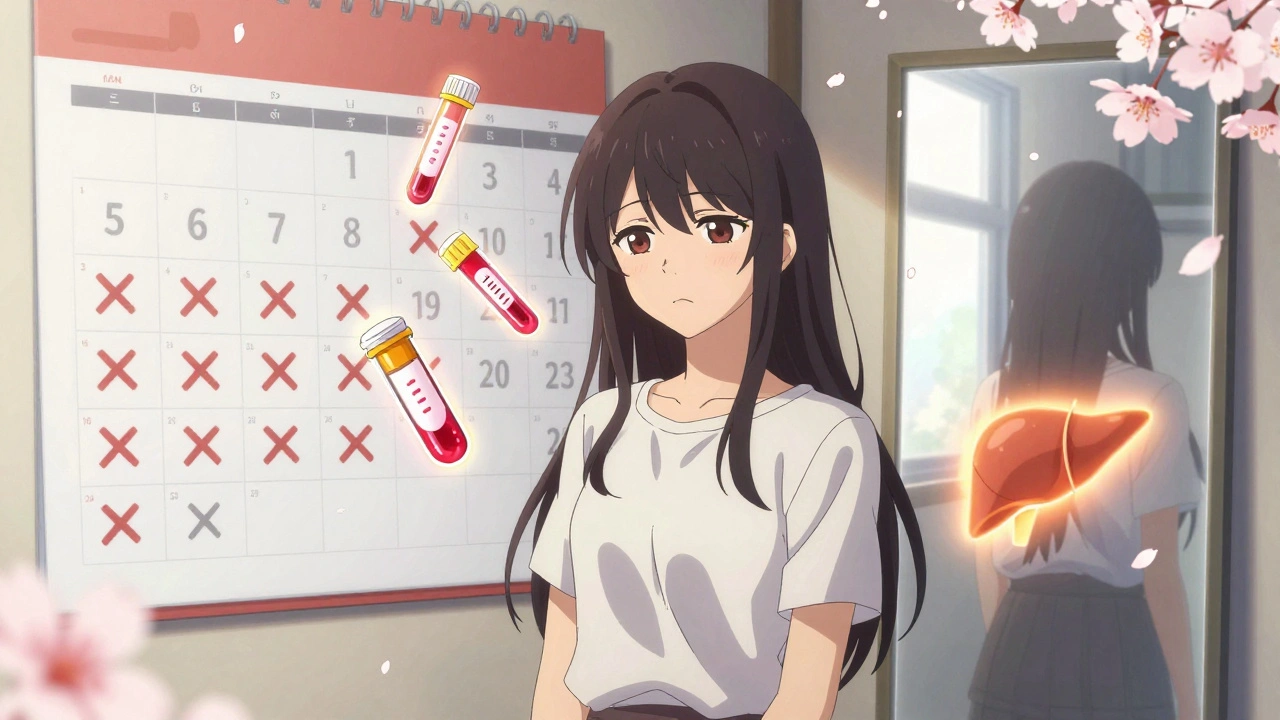
When your body accepts a new organ, it’s a victory—but it’s not the end of the story. Transplant rejection, the immune system’s attack on a transplanted organ. Also known as graft rejection, it can happen anytime after surgery, even years later. This isn’t rare. About 1 in 4 kidney transplant patients experience at least one episode of rejection in the first year. The good news? Most are caught early and reversed with the right treatment.
There are two main types: acute rejection, a sudden immune response that usually happens in the first few months, and chronic rejection, a slow, steady damage that builds over years. Acute rejection often shows clear symptoms—like fever, swelling, pain near the transplant site, or sudden fatigue. Chronic rejection is sneakier. It might just make you feel generally unwell, or cause a slow drop in organ function that only blood tests catch.
What you feel matters. If you’ve had a liver transplant and your skin turns yellow, that’s a red flag. Heart transplant patients should watch for shortness of breath or irregular heartbeat. Kidney recipients need to track urine output—if it drops suddenly, don’t wait. Even a mild fever above 100.4°F should be reported. These aren’t just side effects of meds—they’re signals your body is fighting the new organ. Immunosuppressants, the drugs you take daily to prevent rejection, aren’t perfect. They lower your defenses against infection, too. That’s why you can’t ignore small changes. A bad headache, unexplained weight gain, or diarrhea might seem unrelated—but they’re part of the picture.
Many people think rejection means the transplant failed. It doesn’t. Most cases are caught in time. Blood tests, biopsies, and imaging can confirm it. The key is catching it before the organ is damaged beyond repair. That’s why regular checkups aren’t optional—they’re your lifeline. If you skip a lab visit or ignore a symptom because "it’s probably nothing," you’re gambling with your new organ.
The posts below give you real, practical details: how to spot rejection in different organs, what lab results mean, why some patients reject faster than others, and how to stay on top of your meds. You’ll find advice from people who’ve been there, and facts from doctors who treat this every day. No fluff. Just what you need to know to protect your transplant and live well.