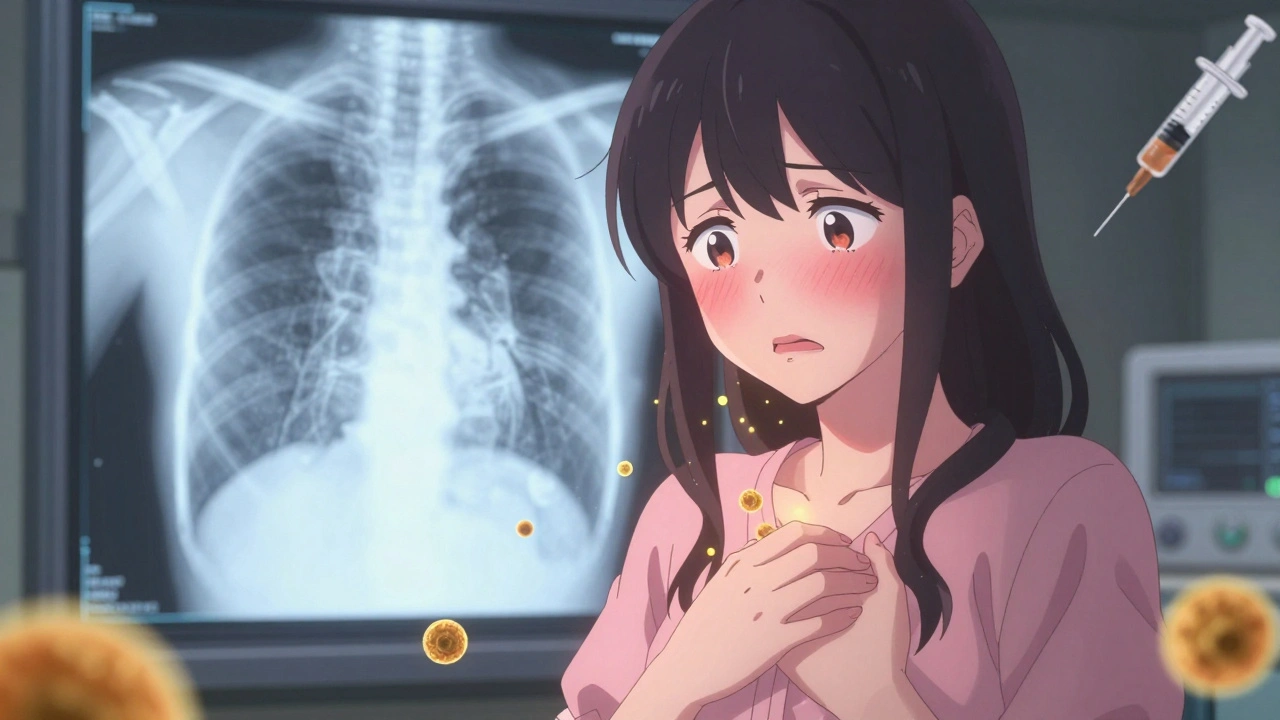
When your lungs fill with fluid because of a virus, you’re dealing with viral pneumonia, a lung infection caused by viruses rather than bacteria. Also known as viral respiratory infection, it’s one of the most common types of pneumonia, especially after flu season or during cold and flu outbreaks. Unlike bacterial pneumonia, which often responds quickly to antibiotics, viral pneumonia doesn’t improve with those drugs—because antibiotics don’t kill viruses. Instead, your body has to fight it off, which is why rest, fluids, and symptom management are the real keys to recovery.
Most cases start like a bad cold or the flu: fever, dry cough, fatigue, and muscle aches. But within a few days, things can get worse—shortness of breath, chest pain when breathing, and a cough that turns wet or produces mucus. Older adults, young children, and people with weak immune systems are at higher risk for serious complications. That’s why it’s so important to know when to call a doctor: if you’re struggling to breathe, your lips turn blue, or your fever won’t break after three days, you need help fast. respiratory infection, a broad term covering illnesses that affect the airways and lungs includes viral pneumonia, but not all respiratory infections lead to pneumonia. The difference? Pneumonia means the air sacs in your lungs are inflamed and filled with fluid, making it hard to get oxygen into your blood.
Some viruses cause it more often than others. Influenza, RSV, and SARS-CoV-2 (the virus behind COVID-19) are top culprits. Even common cold viruses like rhinovirus can sometimes spread to the lungs. You can catch it from someone coughing nearby, touching a contaminated surface, or being in close quarters like a dorm, office, or hospital. That’s why handwashing, staying up to date on vaccines (like flu and COVID shots), and avoiding crowds when you’re sick matter so much.
There’s no magic pill for viral pneumonia. Treatment focuses on easing symptoms and preventing secondary infections. Fever reducers like acetaminophen help with discomfort, but giving them too early after vaccines—something many parents do—can actually weaken the immune response, as shown in studies on post-vaccine fever. Hydration is critical. Oxygen therapy might be needed in severe cases. And while antibiotics won’t fix the virus, doctors sometimes prescribe them just in case a bacterial infection sneaks in on top of the viral one. That’s why knowing the difference between viral and bacterial pneumonia isn’t just academic—it changes your treatment plan.
Recovery takes time. Most people feel better in 1 to 3 weeks, but fatigue can linger for weeks longer. For some, especially seniors or those with other health issues, pneumonia can lead to hospitalization—or worse. That’s why prevention and early recognition matter more than ever. And while you can’t always avoid getting sick, knowing the signs, understanding your risk, and acting fast can make all the difference.
Below, you’ll find real-world guides on managing symptoms, avoiding medication mistakes, storing drugs safely in humid climates, and understanding how immune responses work after vaccines or illness. These aren’t just general tips—they’re practical steps people have taken to recover, protect their families, and stay out of the hospital.