

Imagine this scenario: a child eats a piece of cake at school, starts coughing, and turns pale. Seconds matter. A study published in the Journal of Allergy and Clinical Immunology shows that documented action plans increase appropriate epinephrine use by 68%. Without a clear plan, those minutes vanish into confusion. You need to know exactly what to grab from the bag and when to press the trigger.
An Allergy Action Plan is a personalized medical document created by healthcare providers to guide individuals on recognizing symptoms and implementing treatment protocols. It replaces guesswork with protocol. We often think we know our triggers, but panic changes memory. Having a written plan reduces hospitalization rates by 42%, according to Pediatrics research from 2022. This isn't just paperwork; it's a safety net.
Quick Summary
- Carry epinephrine as the primary medication for severe reactions; it is the only drug that reverses airway obstruction.
- Dose depends strictly on body weight, typically 0.15 mg for children under 25 kg and 0.30 mg for adults or heavier children.
- Call emergency services immediately after administering medication due to risk of recurring symptoms.
- Antihistamines like Benadryl help with itching but cannot stop life-threatening throat swelling.
- Plans must be reviewed annually and shared with schools, caregivers, and sports coaches.
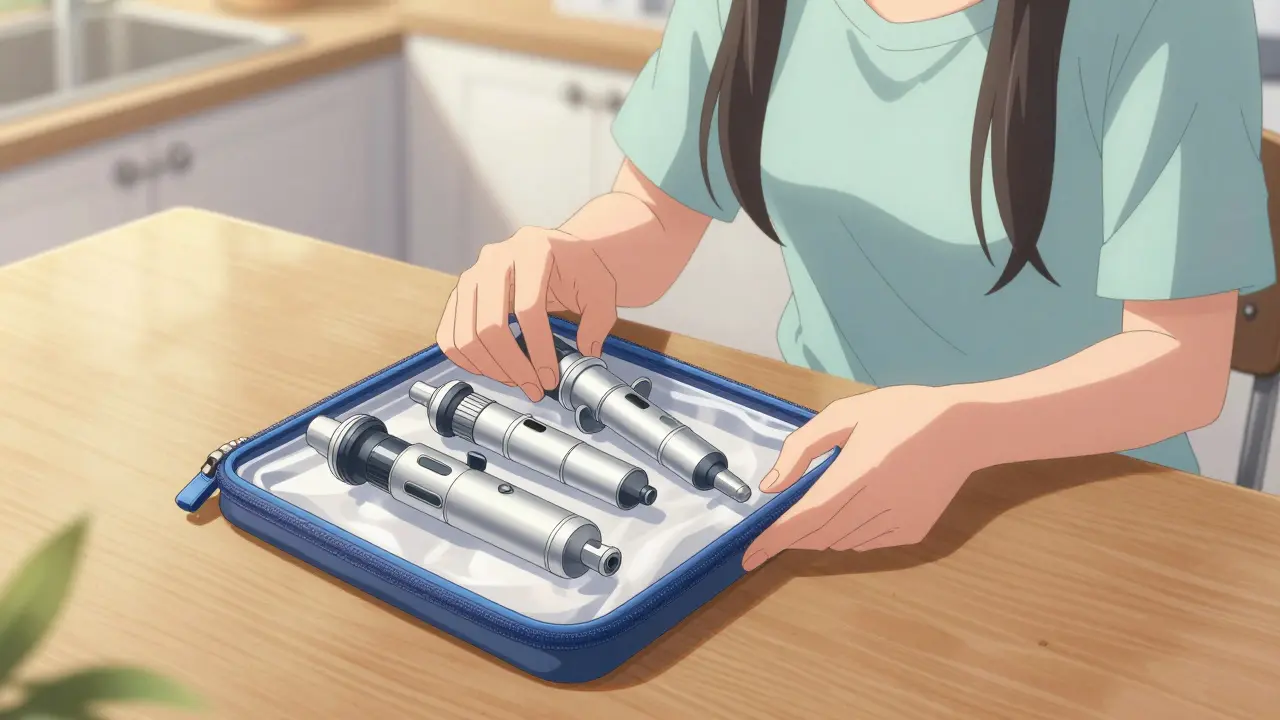
What Exactly Is in Your Medical Kit?
You might assume you just need a pill for hives, but that creates a dangerous blind spot. The core of any safety strategy relies on knowing the hierarchy of your supplies. The first standardized plans emerged in the early 2000s when doctors realized antihistamines weren't enough. Today, the consensus is clear: epinephrine comes first.
The Allergy Action Plan universally specifies epinephrine as the essential medication to carry, with precise dosing based on weight.
If you have a known food or insect allergy, your kit must include an auto-injector or intranasal version approved by local health authorities. In 2023, the FDA approved Neffy, an intranasal form, giving families who fear needles another option. However, injectables remain the gold standard because they act faster into the muscle tissue. Keep spares accessible. A survey by FARE found 32% of households had expired pens because they couldn't find a backup.
Beyond the rescue shot, you can pack supportive meds. Antihistamines like diphenhydramine are useful for mild rashes, but never as a substitute during a crisis. If you have asthma, an albuterol inhaler belongs in the same zip pouch. Do not rely on inhalers alone for breathing issues caused by anaphylaxis, though they can help if wheezing persists after the epinephrine dose.
Understanding Weight-Based Dosage
Giving the wrong amount of medicine wastes precious time. Most people hold onto one-size-fits-all advice, but dosage is math. The American Academy of Pediatrics (AAP) defines specific tiers that you must memorize or reference quickly.
| Weight Range | Required Dose | Common Device Strength |
|---|---|---|
| 7.5 - 13 kg (16.5-28.7 lbs) | 0.10 mg | Pediatric Pen (Small) |
| 13 - 25 kg (28.7-55.1 lbs) | 0.15 mg | Standard Child Pen |
| 25+ kg (55.1+ lbs) | 0.30 mg | Adult Pen |
If you are managing a growing child, you need to check these numbers every few months. A kid jumping from 20 kg to 26 kg moves out of the low-dose category instantly. Using too little leaves their airway unprotected; using too much can cause dangerous heart strain, though overdosing is generally less fatal than underdosing. Some plans suggest carrying two different sizes if your child is close to the threshold weight.
Recognizing the Symptoms That Trigger Action
This is where most errors happen. People wait until the person is turning blue. By then, it is often too late. The National Institute of Allergy and Infectious Diseases (NIAID) defines anaphylaxis clearly: involve two body systems or hypotension after exposure. It sounds technical, so translate it to what you see.
For infants and toddlers under age three, look for sudden hives combined with lethargy or a persistent cough. For older kids, signs include throat tightness, difficulty breathing, or dizziness. Dr. Ronna Campbell notes that administering epinephrine within five minutes of symptom onset reduces mortality risk by 94% compared to delays. Those five minutes feel like hours in a crisis.
If someone touches a bee stinger or eats peanut butter and suddenly vomits while developing a rash, treat it as severe immediately. You don't need to confirm every system is involved. The Texas Department of State Health Services template states that for extremely severe allergies, even mild symptoms after known exposure justify the shot. If you hesitate, remember that the "watch and wait" protocol applies ONLY to mild reactions with single symptoms like a small patch of hives. Once breathing gets involved, do not wait.
Timing and Follow-Up Care
Hitting the button isn't the end of the road. After the injection, the clock resets. Patients require 4 to 6 hours of medical observation. Why? Because of biphasic reactions. This means symptoms come back after the initial improvement. About 20% of cases recur, sometimes more dangerously than before.
If symptoms persist after 10 to 15 minutes, guidelines recommend a second dose. Carrying two devices per incident is standard advice. School nurses often ask parents to provide two pens-one for the initial shot, one for the backup. It's better to give a second dose and have nothing happen than to wait too long for help that isn't coming fast enough.
Intranasal options may change things soon, offering easier administration for some users, but current ASCIA Guidelines (2024) still emphasize 1:1,000 concentration for intramuscular injection as the safest bet. Always call emergency services right away. Even if the person feels fine after the shot, paramedics need to assess the situation before releasing you.

Avoiding the Most Dangerous Mistakes
We often hear myths that cost lives. One big one is the antihistamine trap. A 2021 study showed diphenhydramine administration delayed epinephrine use by an average of 22 minutes in schools. Teachers try to "calm things down" with Benadryl, but antihistamines do not treat airway obstruction or low blood pressure.
Another issue is expiration dates. Check every three months. Pens stored in hot cars lose potency quickly. If your device expires in April 2026 and you are reading this in December, replace it now. Also, training matters. A 2023 journal found only 38% of teachers could correctly identify anaphylaxis symptoms without visual aids. Share your photo-heavy action plan with staff. Include pictures of your specific rash patterns if possible, as this helps recognition speed.
Digital Tools and Future Safety
Tech is stepping in to help compliance. FARE launched a mobile app in March 2024 that stores customizable plans linked to emergency contacts. It holds data offline, which is vital if cell service drops during a reaction. As of late 2024, over 142,000 individuals used this digital version. By 2026, integration with AI tools for symptom recognition via video is becoming a reality, offering 92% accuracy in pilot studies.
However, technology doesn't replace the physical pen. Digital plans support communication, but you still need the hardware in your pocket. Ensure your local school accepts digital copies if they allow it, but always have a printed backup. Regulations are pushing for standardization across the US to reduce errors caused by inconsistent formats, which currently contribute to 19% of emergency mistakes.
Can I use antihistamines instead of epinephrine?
No. Antihistamines only treat mild skin symptoms like itching. They cannot reverse throat swelling or shock. Epinephrine is the only medication that stops life-threatening anaphylaxis.
When should I go to the hospital after using the shot?
Always go to the hospital immediately. Even if you feel better, you need 4 to 6 hours of monitoring for biphasic reactions where symptoms return unexpectedly.
How do I know if my child needs the adult or child dose?
Dosing is based on weight, not age. Generally, anyone weighing 25 kg (55 lbs) or more uses the adult 0.30 mg strength. Below that, use the pediatric 0.15 mg or 0.10 mg devices.
What if the first dose does not work?
If symptoms persist after 5 to 15 minutes, administer a second dose immediately if you have one available. Call emergency services again while preparing to move locations.
Does having a plan really help schools act faster?
Yes. The AAFA reports sharing plans reduces reaction response time from over 14 minutes down to roughly 4.7 minutes. Clear instructions remove hesitation.
Richard Kubíček
It is truly refreshing to see such detailed guidance shared openly regarding medical safety protocols. We often forget that preparation is just as important as reaction speed in these critical moments. A structured plan removes the guesswork when adrenaline is flooding your system. Families need this clarity so that schools can act immediately without hesitation. Knowing the exact weight thresholds helps eliminate dangerous delays during an emergency. Thank you for highlighting the importance of carrying backup devices consistently.