
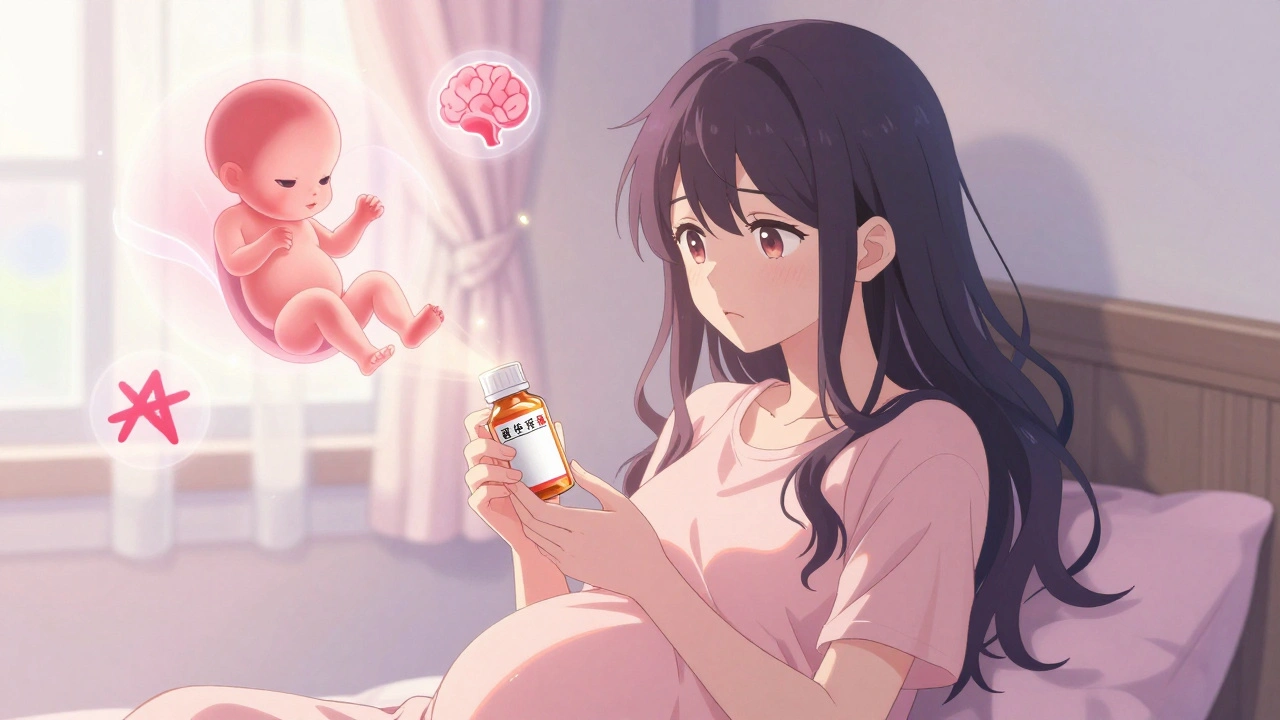
When you're pregnant, every pill, drop, or supplement feels like a decision that could change your baby's future. You want to do right by your body and your growing child-but what seems harmless might not be. Even common over-the-counter meds can carry hidden risks. The truth is, medications to avoid during pregnancy aren't always obvious. Some are banned outright. Others are safe in small doses but dangerous if used too long. And some, like acetaminophen, have gone from being called the safest option to a subject of serious debate.
What Medications Are Definitely Dangerous During Pregnancy?
Not all drugs cross the placenta the same way. Some pass through easily and interfere with fetal development, especially in the first trimester when organs are forming. These are the ones you must avoid completely.
Isotretinoin (Accutane) is one of the most dangerous. Used for severe acne, it causes major birth defects in more than 25% of pregnancies exposed to it. These include missing or malformed ears, heart problems, and brain abnormalities. If you're on this drug and thinking of getting pregnant, stop it at least one month before trying-some doctors recommend three. The FDA’s iPLEDGE program requires strict monitoring for a reason.
ACE inhibitors like lisinopril and ARBs like valsartan are used for high blood pressure, but they’re a no-go during pregnancy. They can cause fetal kidney failure, low amniotic fluid, and even death. If you’re on one and find out you’re pregnant, call your doctor immediately. There are safer blood pressure meds, like labetalol or methyldopa, that won’t harm your baby.
Warfarin (Coumadin), a blood thinner, can cause fetal warfarin syndrome-characterized by underdeveloped bones, a flattened nose, and eye problems. If you need anticoagulation during pregnancy, switch to enoxaparin (Lovenox), which doesn’t cross the placenta. This change should happen before conception, not after.
Valproic acid (Depakote), used for epilepsy and bipolar disorder, carries a 10.7% risk of major birth defects-nearly four times higher than the general population. That’s why women with epilepsy are often switched to lamotrigine or levetiracetam before pregnancy. These alternatives are far safer and just as effective for seizure control.
Tetracycline antibiotics like doxycycline stain developing teeth and weaken bones. Fluoroquinolones like ciprofloxacin may harm joint development. Both should be avoided unless there’s no other option for a life-threatening infection.
The Acetaminophen Debate: Is Tylenol Still Safe?
For years, acetaminophen (Tylenol) was the gold standard for pain and fever relief during pregnancy. It was the only OTC option doctors confidently recommended. But in September 2025, the FDA issued a new warning: prolonged use may be linked to increased risks of ADHD and autism spectrum disorder in children.
The data comes from a 2021 JAMA Pediatrics study tracking 95,000 mother-child pairs. Those who took acetaminophen for more than 28 days during pregnancy had a 28.6% higher chance of having a child with ADHD and a 20.4% higher chance of autism. The FDA doesn’t say it causes these conditions-just that the evidence is strong enough to recommend caution.
So what now? The American College of Obstetricians and Gynecologists (ACOG) still lists acetaminophen as the preferred pain reliever. But they also say: use the lowest dose for the shortest time. If you have a headache or mild fever, try rest, hydration, or a cold compress first. If you need acetaminophen, stick to 325-650 mg every 4-6 hours, and never exceed 3,000 mg per day. Don’t take it daily for back pain or chronic headaches without talking to your provider.
Here’s the key: untreated high fever (above 102°F) is far more dangerous than short-term acetaminophen use. Fever in early pregnancy increases the risk of neural tube defects by 8.2 times. So if you’re sick with the flu or a bad cold, don’t avoid Tylenol out of fear-use it to bring your temperature down. The risk of the fever is greater than the risk of the medicine.
NSAIDs: Why Ibuprofen and Naproxen Are Risky After Week 20
Many people reach for ibuprofen (Advil, Motrin) or naproxen (Aleve) for cramps, headaches, or muscle aches. But starting at 20 weeks, these drugs can cause serious harm to your baby’s kidneys. This leads to low amniotic fluid (oligohydramnios), which can cause lung underdevelopment and limb contractures.
The FDA updated its warning in October 2020 after studies showed a 1.5 to 2 times higher risk of these complications. Some European countries banned NSAIDs entirely after 24 weeks. In the U.S., the cutoff is 20 weeks. That means if you’re past your fifth month, skip these drugs entirely.
Aspirin is another exception: low-dose aspirin (60-150 mg daily) is actually prescribed for women at risk of preeclampsia. But regular-strength aspirin (325 mg or more) is not safe during pregnancy. Don’t assume “baby aspirin” means it’s okay for headaches-only use it if your doctor specifically told you to.
Safe Alternatives for Common Pregnancy Complaints
Just because some meds are risky doesn’t mean you have to suffer. There are safe, effective alternatives for almost every common discomfort.
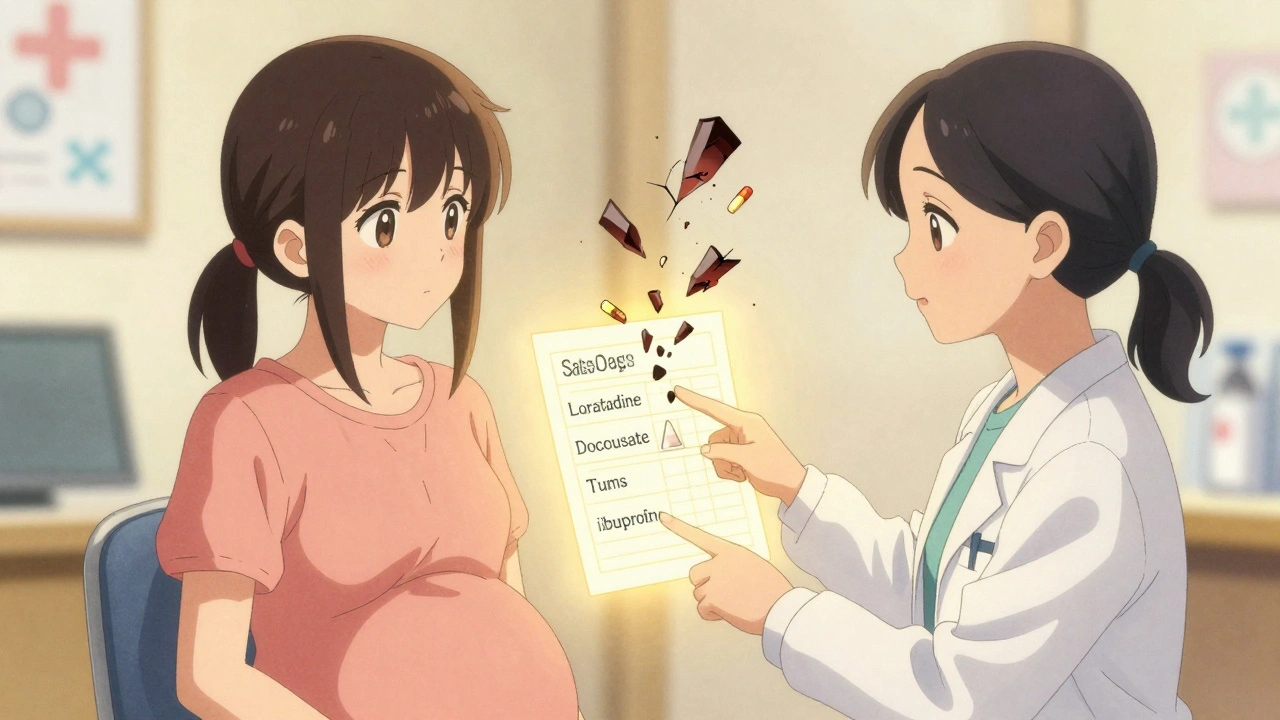
- Pain and fever: Acetaminophen (Tylenol) at the lowest effective dose. Avoid NSAIDs after 20 weeks.
- Allergies: Loratadine (Claritin), cetirizine (Zyrtec), and fexofenadine (Allegra) are all considered Category B with strong safety data. No increased risk of birth defects in over 2,000 pregnancies tracked by MotherToBaby.
- Nasal congestion: Start with saline sprays and humidifiers. If you need more, pseudoephedrine (Sudafed) is okay after the first trimester-but only if you don’t have high blood pressure. It can raise your BP by 5-10 mmHg.
- Constipation: Fiber (25-30 grams daily) and water are your first line. If you need help, docusate sodium (Colace) or polyethylene glycol (Miralax) are both Category B and safe in pregnancy.
- Heartburn: Avoid antacids with sodium bicarbonate or magnesium trisilicate. Calcium carbonate (Tums) is safe. H2 blockers like famotidine (Pepcid) are also considered low-risk.
Antidepressants and Mental Health: The Balancing Act
Untreated depression during pregnancy is dangerous too. It raises the risk of preterm birth by 64% and low birth weight by 73%. So stopping your antidepressant isn’t always the safer choice.
Paroxetine (Paxil) is linked to a slightly higher risk of heart defects-1.5-2% compared to 0.7% in the general population. But other SSRIs like sertraline (Zoloft) and citalopram (Celexa) have much better safety profiles. The key is not to stop abruptly. Work with your psychiatrist and OB-GYN to switch to a safer option before pregnancy if possible.
SSRIs as a group slightly increase the risk of persistent pulmonary hypertension of the newborn (PPHN), from about 1-2 per 1,000 to 5-6 per 1,000. But the risk of depression relapse without medication is 20-25%. That’s why many providers recommend continuing treatment, especially for moderate to severe depression.
If you’re on an antidepressant and just found out you’re pregnant, don’t panic. Call your doctor. Don’t stop cold turkey. There are safe paths forward.

What You Should Do Right Now
If you’re pregnant or planning to be, here’s your action plan:
- Make a full list of everything you take: prescriptions, OTC meds, supplements, herbal teas, and vitamins.
- Check every item against the FDA’s Pregnancy and Lactation Labeling Rule (PLLR) or use MotherToBaby’s free fact sheets (they’ve been accessed over 2 million times a year).
- Don’t wait for your next appointment. If you’ve taken something risky-like ibuprofen after 20 weeks or isotretinoin-tell your provider. Most exposures don’t lead to problems, but you need monitoring.
- Ask about preconception counseling if you have a chronic condition like epilepsy, depression, or high blood pressure. Switching meds before pregnancy is safer than switching during it.
- Keep a medication journal. Note what you took, when, and why. This helps your doctor spot patterns and risks.
Many women worry they’ve already done something wrong. The MotherToBaby service says 78% of their calls come from women who’ve already taken a medication they later learned was risky. The good news? Most exposures don’t cause harm. What matters now is what you do next.
Where to Get Reliable Help
Not every doctor has time to memorize every drug’s pregnancy risk. That’s why independent resources exist.
MotherToBaby is a free, confidential service run by the Organization of Teratology Information Specialists. You can call, chat, or visit their website for up-to-date, science-backed info on any medication, supplement, or exposure. Their fact sheets are used by OB-GYNs and pharmacists across the U.S. and Canada.
The FDA’s Pregnancy and Lactation Labeling Rule (PLLR) replaced the old A, B, C, D, X categories with detailed narratives. You can search for any drug on the FDA’s website and see exactly what the risks are, broken down by trimester.
And if you’re in Australia, the TGA (Therapeutic Goods Administration) provides similar guidance. Don’t rely on Google or forums. Use trusted, evidence-based sources.
What’s Changing in 2025 and Beyond
The landscape is shifting fast. The FDA’s 2025 notice on acetaminophen marks a turning point. Regulatory agencies are now more cautious, even when evidence isn’t 100% conclusive. That’s why you’re seeing more warnings and fewer blanket recommendations.
The ABC Study-a global project tracking 50,000 pregnant women and their children until age 10-is expected to release preliminary results by late 2025. That study could finally answer whether acetaminophen causes neurodevelopmental issues or if the link is coincidental.
Meanwhile, the NIH is investing $15 million into non-opioid pain alternatives for pregnant women. That includes physical therapy, acupuncture, and mindfulness techniques. The goal? Reduce reliance on any medication when possible.
For now, the message is clear: don’t fear all meds. Fear unnecessary, prolonged, or unmonitored use. Work with your care team. Stay informed. And remember-your health matters too. Treating your pain, fever, or anxiety isn’t selfish. It’s part of keeping your baby safe.
Is it safe to take Tylenol while pregnant?
Yes, acetaminophen (Tylenol) is still considered the safest pain reliever during pregnancy when used at the lowest effective dose for the shortest time. The maximum daily dose should not exceed 3,000 mg. However, prolonged use-especially daily use over weeks or months-has been linked in recent studies to a higher risk of ADHD and autism spectrum disorder in children. The FDA now advises caution, especially for routine low-grade fevers or minor headaches. Always talk to your provider before using it regularly.
Can I take ibuprofen during pregnancy?
No, you should avoid ibuprofen (Advil, Motrin) and other NSAIDs like naproxen after 20 weeks of pregnancy. These drugs can cause fetal kidney problems and dangerously low amniotic fluid levels, which can lead to lung and limb complications. Even before 20 weeks, they’re not recommended unless your doctor specifically approves them for a medical reason. Use acetaminophen instead for pain or fever.
What allergy medicine is safe during pregnancy?
Second-generation antihistamines like loratadine (Claritin), cetirizine (Zyrtec), and fexofenadine (Allegra) are considered safe during pregnancy. They have been studied in over 2,000 pregnancies with no increased risk of birth defects. Avoid first-generation antihistamines like diphenhydramine (Benadryl) for long-term use-they can cause drowsiness and may affect fetal development if taken in high doses.
Is it safe to continue antidepressants while pregnant?
It depends on the medication and your condition. Paroxetine (Paxil) carries a slightly higher risk of heart defects, so it’s usually avoided. But SSRIs like sertraline (Zoloft) and citalopram (Celexa) are considered low-risk. Untreated depression increases the risk of preterm birth and low birth weight. Stopping medication suddenly can trigger relapse in 20-25% of cases. Always work with your doctor to weigh risks and benefits-don’t stop on your own.
What should I do if I took a risky medication before knowing I was pregnant?
Don’t panic. Most exposures don’t lead to birth defects. The critical factor is timing and dose. If you took something risky in the first two weeks after conception (before you missed your period), the risk is often “all or nothing”-either the pregnancy continues normally or it doesn’t. After that, the risk depends on the drug and stage of development. Call your provider or a service like MotherToBaby for personalized advice. They can assess your specific situation and recommend any needed monitoring.
Are herbal supplements safe during pregnancy?
Many herbal supplements are not tested for safety in pregnancy. Some, like black cohosh, dong quai, and goldenseal, can stimulate contractions or affect hormone levels. Others, like ginger (in small doses) and peppermint, are generally safe for nausea. Always check with your provider before taking any herb, vitamin, or supplement-even if it’s labeled “natural.”
Libby Rees
Acetaminophen is still the go-to for pregnancy, but I’m glad the FDA finally updated the guidance. I took it daily for two weeks last year during a bad cold and now I’m second-guessing everything. Better safe than sorry.