
You take your medicine like clockwork. You trust the bottle. You trust the pharmacy. But what if the pill in your hand isn’t what it claims to be? Counterfeit medications are more common than most people realize - and the dangers aren’t just theoretical. In 2023, the CDC reported over 12,000 deaths in the U.S. alone linked to counterfeit pills containing deadly doses of fentanyl. These aren’t rare cases. They’re happening in neighborhoods, online, and sometimes right from your local pharmacy’s back stock.
What Exactly Are Counterfeit Medications?
Counterfeit drugs aren’t just expired or poorly stored pills. They’re fake. Deliberately made to look real. They might have the right color, shape, and branding - but inside? They could be chalk, sugar, rat poison, or worse - lethal amounts of fentanyl, methamphetamine, or other unregulated chemicals. The World Health Organization defines them as products that are fraudulently labeled about their identity or source. Unlike substandard drugs (which are real but poorly made), counterfeits are built to deceive.The rise of online pharmacies has made this problem worse. Over 96% of websites selling prescription drugs operate illegally, according to the DEA. Many of them sell fake versions of popular medications like Adderall, Xanax, Viagra, and even insulin. You might think you’re buying from a trusted site - but the logo, the packaging, even the website design can be copied perfectly.
Physical Signs Your Medication Might Be Fake
Before you even swallow it, look closely. Legitimate pharmaceuticals are made under strict quality controls. Every pill, capsule, or tablet is consistent. If something feels off, it probably is.- Color or shape doesn’t match - Your usual blue oval pill suddenly looks smaller, rounder, or a different shade of blue. Even slight differences matter. The Therapeutic Goods Administration of Australia says any variation in size, weight, color, or embossing could signal a counterfeit.
- Crumbly, cracked, or bubbled coating - Real pills have smooth, even coatings. If yours is flaking, crumbling, or looks like it’s melting, don’t take it.
- Spelling errors on the label - Pfizer found that 78% of counterfeit drugs they investigated had at least one misspelled word. "Lipitor" becomes "Lipitor"? "Metformin" spelled "Metformin"? That’s a red flag.
- Mismatched packaging - The box might look right, but the font size is off. The barcode is blurry. The seal is broken or looks like it’s been resealed. Some fakes even have the wrong expiry date - often smudged or handwritten.
- Missing security features - Many brands now use holograms, color-shifting ink, or QR codes. If yours doesn’t have them - or they don’t work when scanned - it’s likely fake.
One real case from 2023 involved counterfeit Muro 128 eye drops. Patients reported burning eyes and blurred vision. The real product had a specific blue cap and a holographic seal. The fake? A green cap and no seal at all.
What Happens When You Take a Fake Pill?
This is where things get dangerous. You might feel fine - or you might end up in the hospital.- Your medicine doesn’t work - If you’re taking blood pressure meds and your readings keep spiking, or your diabetes meds aren’t lowering your sugar, you might be on a fake. Eli Lilly found that 89% of counterfeit medication complaints involved complete lack of therapeutic effect.
- New, strange side effects - You’ve taken this drug for years. You’ve never had nausea, dizziness, or a racing heart. Now you do? That’s a warning. The FDA says 74% of verified counterfeit cases involved patients reporting unusual side effects they’d never experienced before.
- Overdose symptoms - even if you took your normal dose - Many fake pills contain fentanyl. A single pill can have enough to kill. Symptoms include: extreme drowsiness, pinpoint pupils, slow or stopped breathing, cold/clammy skin, and loss of consciousness. These can hit within 15 to 30 minutes.
- Stimulant overdose - Fake Adderall or Ritalin might contain methamphetamine. Symptoms: rapid heartbeat (over 120 BPM), high blood pressure (above 180/110), extreme restlessness, high body temperature (over 104°F), and seizures.
- Toxic poisoning - Some counterfeits contain industrial chemicals or heavy metals. Symptoms: vomiting, abdominal pain, jaundice (yellow skin), dark urine, or sudden fatigue. These can damage your liver or kidneys.
In 2021, the DEA found 977 teens died from fentanyl-laced pills they thought were oxycodone or Xanax. Autopsies confirmed the presence of illicit fentanyl in 92% of those cases. These weren’t drug users. They were students, athletes, kids who bought pills from Instagram.
What Should You Do If You Suspect a Fake?
Don’t panic. Don’t throw it away. Don’t take another one.- Stop taking it immediately. Even if you feel fine, the damage might be building.
- Save the pill and packaging. Don’t wash it. Don’t throw it out. Keep it in a sealed bag. This could save someone else’s life.
- Call your pharmacist. They can check the lot number against manufacturer databases. Eli Lilly, Pfizer, and others keep public lists of known counterfeit lots.
- Contact the manufacturer. Most big drug companies have toll-free numbers or websites to verify authenticity. Pfizer’s Global Intelligence team responds to every report.
- Report it to the FDA or TGA. In Australia, use the Therapeutic Goods Administration’s online reporting tool. In the U.S., file a report through MedWatch. Your report helps track outbreaks.
One UK pharmacist once got a call from a suspicious wholesaler. It led to the seizure of 15,000 packs of fake cancer drugs and 20,000 packs of fake blood thinners - potentially preventing hundreds of deaths.
How to Avoid Counterfeit Drugs
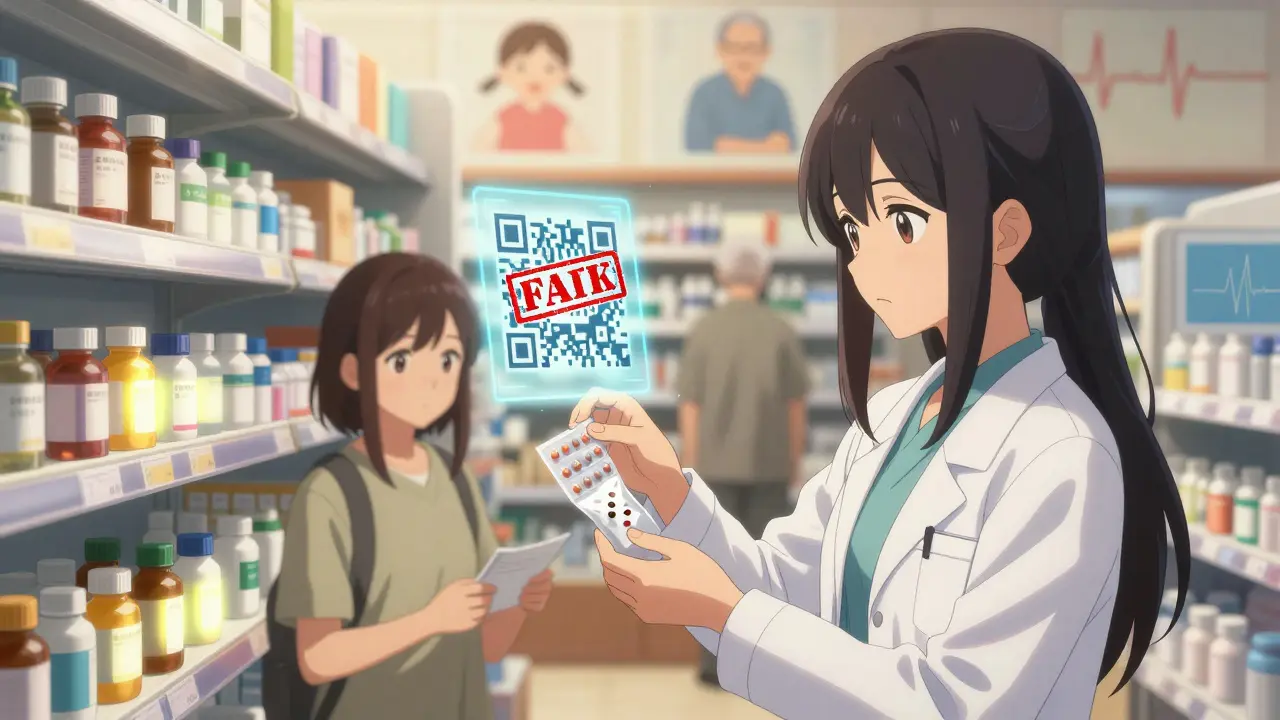
Prevention is your best defense.- Only buy from licensed pharmacies. If it’s not a physical pharmacy with a visible license, or an online pharmacy that requires a prescription and has a verifiable physical address, don’t buy from it.
- Check for the VIPPS seal. In the U.S., the Verified Internet Pharmacy Practice Sites (VIPPS) seal means the site is accredited. In Australia, look for the TGA-licensed logo.
- Never buy from social media, marketplaces, or strangers. Instagram, Facebook, Telegram, and even eBay are flooded with fake pills. The DEA says 89% of online pharmacies selling prescription drugs are illegal.
- Compare your pills each refill. If your new prescription looks different, ask your pharmacist. Don’t assume it’s just a new batch. Ask: "Is this the same as last time?"
- Use drug verification tools. Merck now embeds microscopic DNA tags in Zetia. Pfizer uses nanotech threads in Viagra packaging. Some companies let you scan a code or enter a lot number on their website to verify.
There’s no foolproof way to spot every fake - especially the high-end ones that look identical. That’s why the only 100% reliable method is lab testing. But you don’t need a lab to spot the warning signs. Your eyes, your body, and your instincts matter.
Why This Matters Right Now
The WHO predicts counterfeit drug sales will grow 25% per year through 2025. Criminal networks are getting smarter. They’re using AI to clone websites. They’re mixing fentanyl into pills that look like Xanax. They’re targeting teens with TikTok ads.But here’s the good news: awareness saves lives. If you know what to look for - and you speak up - you can stop a fake pill before it kills someone. Maybe even yourself.
Can counterfeit pills look exactly like the real ones?
Yes. Some counterfeit pills are so well-made that even pharmacists can’t tell the difference without lab testing. They copy the exact color, shape, size, and embossing. That’s why checking the packaging, lot number, and security features is critical - and why you should never rely on appearance alone.
What should I do if I took a fake pill and feel fine?
Even if you feel fine, you should still contact your doctor. Some toxins build up slowly. Fentanyl can cause delayed respiratory depression. Fake diabetes or heart meds might not cause immediate symptoms, but they put you at risk for long-term damage. Better safe than sorry.
Are fake pills only sold online?
No. While online sources are the biggest problem, counterfeit drugs can also enter legitimate supply chains. They’ve been found in hospital stocks, wholesale distributors, and even some pharmacies that unknowingly bought from shady suppliers. That’s why checking your pills every time you refill is essential.
Can I test my pills at home?
There are no reliable home tests for counterfeit drugs. Fentanyl test strips can detect the presence of fentanyl in some pills, but they won’t tell you if the rest of the pill is safe or if other toxins are present. The only definitive test is done in a lab. If you suspect a fake, don’t test it yourself - report it.
Is it safe to buy generic versions of brand-name drugs?
Yes - if they’re from a licensed pharmacy. Generic drugs are required to meet the same safety and effectiveness standards as brand-name versions. But if you’re buying generics from an unverified online source, they could be fake. Always check the pharmacy’s credentials, even for generics.
What’s the most common type of counterfeit drug?
Fake painkillers - especially oxycodone, hydrocodone, and Xanax - are the most common. But counterfeit versions of insulin, antibiotics, cancer drugs, and heart medications are rising fast. Fentanyl-laced pills are now the deadliest threat, especially to young people.
Christina Widodo
I never thought about how fake pills could be hiding in my own medicine cabinet. I refill my blood pressure med every month and never check the color anymore. After reading this, I’m going to start comparing each bottle side by side. Scary stuff.