

Most companies think workplace wellness is about free yoga mats, fruit bowls, and annual health screenings. But here’s the truth: if employees don’t understand why they should care, none of it matters. You can offer gym memberships, mental health days, and financial coaching - but if no one knows how it connects to their paycheck, stress levels, or daily life, participation stays stuck at 20%.
Why Generic Messages Fail
Send out a generic email saying "Join our wellness program!" and you’ll get a few clicks. Maybe a handful of sign-ups. Then silence. Why? Because employees hear "wellness" and think "another HR checkbox." They don’t see the link between signing up for a step challenge and lowering their monthly insurance premium. Or how attending a financial planning workshop could mean less anxiety about rent next month.
Studies show generic messaging only gets 19% engagement. That’s not a program failure - it’s a communication failure. The CDC’s Work@Health Program found that when employers clearly explain how wellness benefits translate into real savings and better days, participation jumps by 42% in the first year. The difference isn’t the program. It’s the story.
What Employees Actually Want to Know
Forget fluff. Employees don’t care about "holistic wellbeing" buzzwords. They want to know:
- "How much money will this save me?"
- "Will this actually make my life easier?"
- "Is this just another thing I have to do?"
- "What happens if I don’t join?"
One company in Bristol saw participation rise from 32% to 67% after switching from generic newsletters to personalized benefit statements. Each employee got a simple breakdown: "Based on your age, family size, and current health claims, joining the stress management program could reduce your annual premium by up to $480." That’s not vague. That’s personal. That’s real.
The 7 Dimensions That Actually Move the Needle
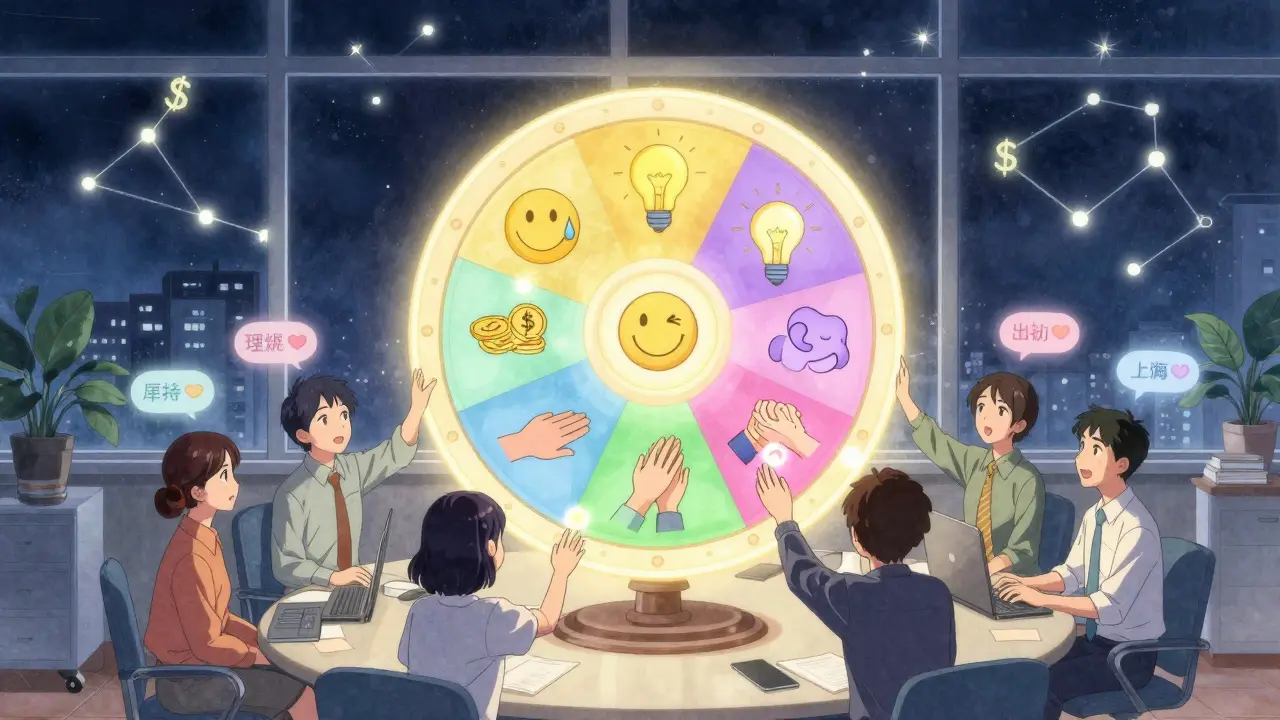
Most wellness programs focus on physical health - steps, weight, blood pressure. But the Wellness Council of America’s 7 Dimensions model works better because it covers what people really struggle with:
- Physical: Exercise, nutrition, sleep
- Emotional: Stress, burnout, mental health support
- Financial: Debt, budgeting, retirement planning
- Social: Connection, team culture, work-life balance
- Community: Volunteering, local engagement
- Purposeful: Meaning in work, career growth
- Professional: Skills, development, workload
Programs using this full model see 34% higher participation than those stuck on just physical metrics. Why? Because financial stress is the #1 concern for 68% of workers, according to PwC’s 2024 survey. If you’re not talking about it, you’re ignoring the biggest barrier to focus, energy, and loyalty.
How to Talk About Benefits Without Sounding Like a Sales Pitch
Don’t say: "Our wellness program saves companies thousands!"
Do say: "Last year, employees who used our counseling service reported 30% less stress on workdays. That means fewer missed meetings, clearer thinking, and more time with your family after work."
Use real data - but make it personal. Share anonymized results: "In our last cohort, 6 out of 10 employees who completed the nutrition course reduced their out-of-pocket medical costs by an average of $217 in six months." That’s specific. That’s believable.
Include manager talking points. Too often, managers don’t know what to say. Give them simple scripts: "I noticed you’ve been working late. Have you checked out the sleep workshop? It helped me cut my caffeine intake and feel more focused by 3 p.m."

Costs, ROI, and What You Really Need to Spend
Some companies think wellness means spending $50,000 on a fancy platform. Others think it’s just a free Fitbit. The truth? You don’t need a big budget - you need smart communication.
Basic education modules start at $495 per employee per year. Turnkey platforms like Strive Well-Being run $15-$25 per employee per month. But the real investment isn’t the tech - it’s the time spent explaining it.
Harvard Business Review found an average ROI of $3.27 for every $1 spent on wellness programs - but only when education is part of the package. Companies that track participation and tie it to reduced absenteeism see 28% fewer sick days. That’s not magic. That’s clarity.
Small businesses (under 50 employees) often skip wellness because they think it’s too expensive or complex. But 38% of small firms offer structured wellness education - compared to 83% of large ones. The gap isn’t money. It’s knowing where to start. Start with one thing: a 15-minute team chat about financial stress. That’s enough.
The Legal Trap No One Talks About
Here’s the dark side: if you promise savings you can’t prove, you could get sued.
The EEOC received over 2,100 wellness-related complaints in 2023 - up 37% from the year before. Why? Because some vendors claimed employees would save $1,200 a year - but actual reductions were $217. That’s not just misleading. It’s a legal risk.
Under the Affordable Care Act, incentives can’t exceed 30% of your health plan’s cost. And if you ask for health data (like BMI or blood pressure), you must prove it’s voluntary and anonymous. The rules are strict. Don’t guess. Get trained. Use certified wellness specialists (CCWS) who know the law.
What Works: Real Examples from Real Companies
Johnson & Johnson’s program has a 4.2/5 rating on Glassdoor. Why? Employees say: "They showed me exactly how my participation lowered my premium." They didn’t just say "we care." They showed the math.
One tech firm in Manchester used Personify Health’s multi-channel approach: email, intranet, manager talks, and personalized statements. Engagement jumped 53%. Another company in Leeds used needs surveys to find that 72% of staff wanted financial help - so they paused their step challenge and launched a debt-reduction workshop. Participation soared.
They didn’t force a one-size-fits-all program. They listened. Then they explained.
How to Start - Even If You’re Small
You don’t need a big budget or HR team. Here’s your 12-month roadmap:
- Month 1-2: Ask employees what they care about. Use a 5-question survey: "What’s one thing that would make your work life easier?"
- Month 3: Pick one issue - financial stress, sleep, or burnout - and build a simple offering around it.
- Month 4-6: Explain the benefit in plain language. "This workshop helps you cut monthly expenses by $150. Here’s how."
- Month 7-9: Share results. "Ten people joined. Their average out-of-pocket costs dropped by $189."
- Month 10-12: Ask again. What’s next?
Don’t wait for perfection. Start with one clear message. One real benefit. One honest conversation.
What’s Coming Next
By 2026, 45% of large companies will use AI to send personalized wellness messages - like: "Based on your claims history, you’d save $312 by joining the mental health program. Here’s how."
That’s not sci-fi. It’s the next step. But even without AI, you can do this now: use your HR system to pull anonymized data. Show people what’s possible. Don’t tell them wellness is good. Show them how it changes their life.
Final Thought: It’s Not About Programs. It’s About Trust.
Employees don’t need more perks. They need to know you’re not just trying to cut costs - you’re trying to make their lives better. When you explain benefits honestly, clearly, and personally, you don’t just boost participation. You build loyalty. You reduce turnover. You create a workplace where people feel seen.
That’s not a wellness program. That’s good leadership.
Why do most workplace wellness programs fail to engage employees?
Most programs fail because they rely on generic messaging like "Stay healthy!" without showing how wellness connects to employees’ real concerns - like lowering their health insurance bill, reducing stress from debt, or getting more sleep. When people don’t see a direct, personal benefit, they tune out. Studies show personalized communication increases participation from 19% to 68%.
What’s the ROI of workplace wellness education?
Companies that educate employees properly see an average return of $3.27 for every $1 spent, according to Harvard Business Review. This comes from reduced absenteeism (28% fewer sick days), lower healthcare claims (up to 22% reduction), and decreased turnover (11% lower than companies with weak wellness communication). The key is linking participation to tangible outcomes - not just offering activities.
Can small businesses afford workplace wellness education?
Yes. You don’t need a big budget. Basic education modules start at $495 per employee annually. Many small businesses start with free resources from the CDC’s Work@Health Program and focus on one area - like financial stress or mental health - using simple tools like surveys and manager-led chats. The biggest barrier isn’t cost - it’s knowing where to begin.
What legal risks come with workplace wellness programs?
The main risks involve violating the ADA and GINA by asking for health data without proper consent, or making exaggerated claims about savings. The EEOC received over 2,100 complaints in 2023, mostly about misleading benefit promises. Incentives can’t exceed 30% of your health plan’s cost, and participation must be voluntary. Always use certified professionals and avoid vague promises like "save $1,200/year" unless backed by data.
How do you measure if your wellness education is working?
Track participation rates, changes in healthcare claims, absenteeism, and employee feedback. Successful programs see 22% lower healthcare costs and 28% fewer sick days within a year. But the best metric? Ask employees: "Do you understand how this program helps you?" If more than 60% say yes, you’re on the right track.
What’s the difference between wellness programs and wellness education?
A wellness program offers activities - gym discounts, flu shots, meditation apps. Wellness education explains why those activities matter. It connects the dots between joining a stress workshop and sleeping better, or attending a budgeting session and feeling less anxious about bills. Education turns perks into purpose.
Should I use an outside vendor for wellness education?
Not necessarily. Many vendors overpromise and underdeliver. Instead, start with free CDC resources and certified trainers (like CCWS professionals). If you do hire a vendor, demand transparency: show me the data behind your claims. Look for platforms that let you customize messages and tie benefits to your employees’ actual demographics and claims history.
Nishant Sonuley
Look, I get it - you want people to care about wellness, but let’s be real: most of us are just trying to get through the day without crying in the bathroom stall. You throw a ‘financial coaching’ flyer at someone who’s juggling three jobs and a sick kid, and all they hear is ‘another thing to do.’ I work in a startup in Bangalore where ‘wellness’ means ‘don’t quit’ and ‘mental health day’ means ‘take the day off but answer Slack anyway.’ The only thing that worked? When our manager said, ‘If you use the counseling service, I’ll personally block your calendar for 30 minutes so you don’t feel guilty.’ That’s not a program. That’s human.