
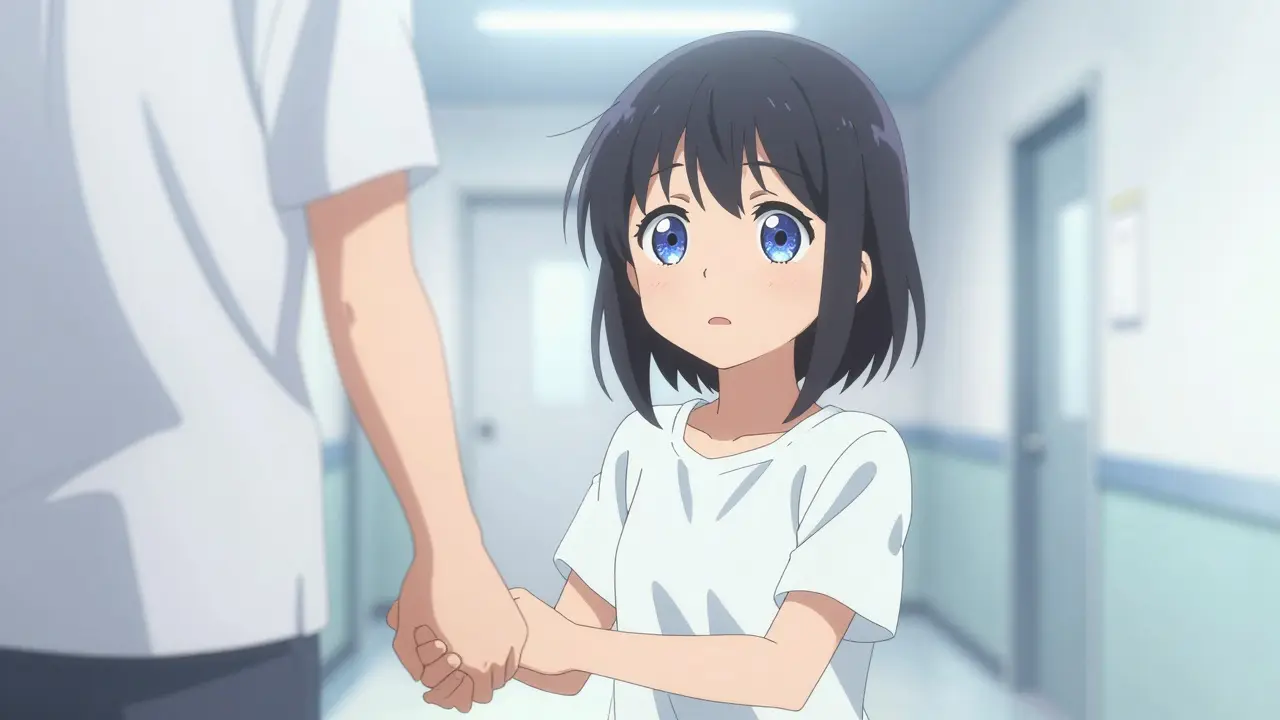
Walking your child into a hospital for a procedure can feel like a nightmare for both of you. Between the scary machines and the sterile smell, the anxiety usually peaks right before the appointment. The good news is that modern medicine has a very specific way of smoothing this transition. Using pediatric preoperative medication isn't just about knocking a child out; it's about managing their fear, keeping their body stable, and making sure they wake up feeling calm rather than confused or combative.
| Focus Area | Key Goal | Common Approach |
|---|---|---|
| Anxiety | Calm the child | Midazolam or Ketamine |
| Safety | Prevent aspiration | Strict fasting (NPO) timelines |
| Stability | Maintain chronic health | Continue seizure/asthma meds |
Managing the "Nervous Energy" with Sedatives
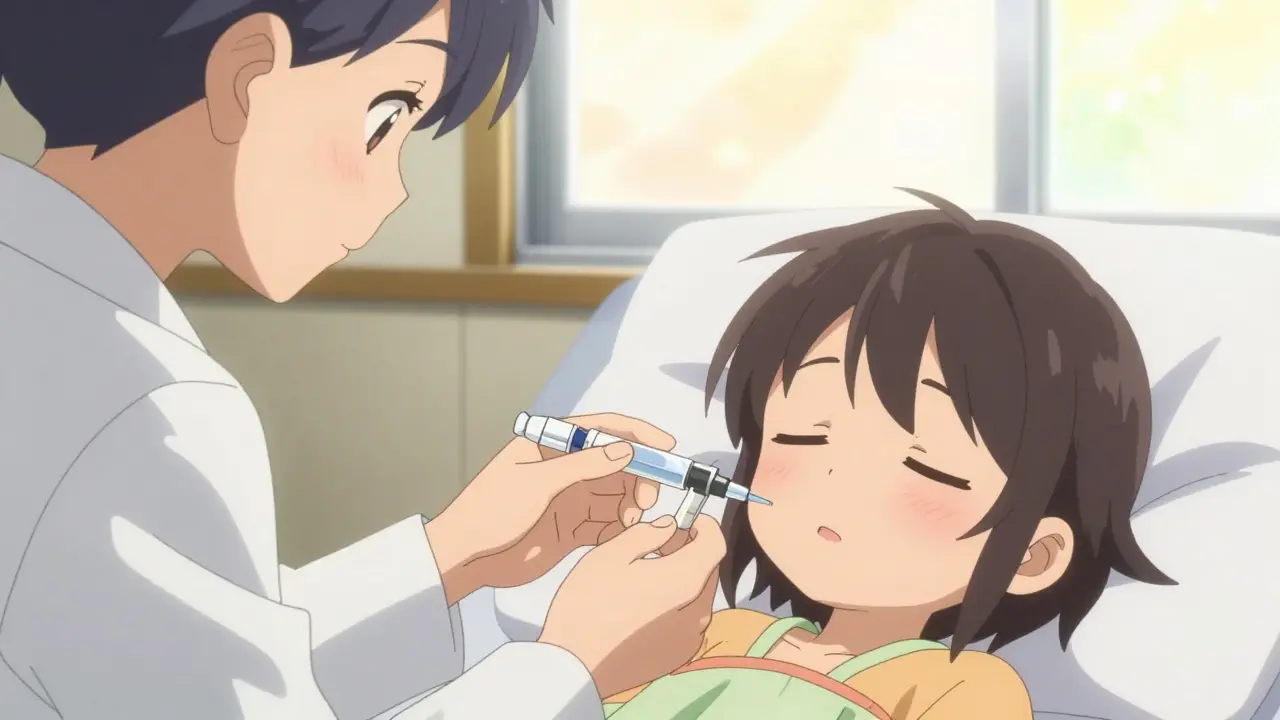
For most kids, the hardest part is the separation from parents and the fear of the unknown. To handle this, doctors often use Midazolam is a short-acting benzodiazepine used to reduce anxiety and induce mild amnesia of the procedure. It is often the first choice because it works quickly and helps the child relax.
Depending on how your child handles medicine, the doctor might choose different delivery methods. Some children take a liquid dose (oral) about 20 to 30 minutes before the procedure. If your child refuses to swallow a pill or syrup, an intranasal spray is a great alternative. Clinical data from RCH Melbourne shows that nasal sprays can drop anxiety scores significantly, though a small number of kids might find the spray irritating to the nose.
In cases where a child is extremely terrified or non-compliant, Ketamine is a dissociative anesthetic that provides rapid sedation and pain relief. It works in about 3 to 5 minutes, giving the child a quick window to transition from a panic state to a calm, dissociated state. However, be aware that some children experience "emergence delirium"-a period of confusion or agitation-as they wake up from ketamine.
The Golden Rules of Fasting (NPO Guidelines)
You'll hear the term "NPO" (nothing by mouth) a lot. It's critical because anesthesia relaxes the muscles in the throat; if there is food in the stomach, it could travel up into the lungs, which is a dangerous complication called aspiration.
Pediatric fasting is different from adult fasting because children's stomachs empty faster. According to protocols used at Texas Children's Hospital, the timelines are usually broken down like this:
- Solid Foods: No solids after midnight (for kids over 12 months).
- Formula and Whole Milk: Stop 6 hours before the arrival time.
- Breast Milk: Stop 4 hours before the procedure.
- Clear Liquids: Stop 2 hours before. This includes water, Pedialyte, apple juice (no pulp), or clear sodas like Sprite.
A common mistake parents make is giving "clear" juices that aren't actually clear, like orange juice. If you aren't sure, stick to water or apple juice to avoid the risk of the procedure being delayed or canceled.
Handling Chronic Medications on Surgery Day
One of the biggest points of confusion for parents is whether to give their child their usual daily medications. The general rule is that essential maintenance drugs should be continued, but you must verify this with your anesthesiologist.
For example, Antiepileptic medications are usually given on the morning of the procedure with a tiny sip of water to prevent seizures during the stress of surgery. Similarly, children with asthma should continue their bronchodilators. Keeping the airways open and the brain stable makes the anesthesia much safer.
However, some newer medications require a "pause." The ASA Task Force recently warned about GLP-1 agonists (like semaglutide), which are sometimes used for obesity in older teens. These drugs slow down gastric emptying significantly-sometimes by 30-40%-meaning the stomach stays full much longer. Doctors typically recommend stopping these a week before elective surgery to prevent aspiration.
Special Considerations for Different Needs
Not every child responds to medication the same way. For children with autism spectrum disorder, standard sedatives can sometimes cause a "paradoxical reaction," where the child becomes more agitated instead of sleepy. In these cases, specialists might use Clonidine, a medication that helps lower blood pressure and reduce hyperactivity, often administered a few hours before the procedure to create a calmer baseline.
Weight also plays a role. Standard dosing can sometimes be subtherapeutic for children with obesity. Some updated clinical pathways now suggest increasing midazolam doses by about 20% for these patients to ensure the sedation is effective.

What to Expect During and After the Procedure
Once the medication is administered, the medical team monitors your child closely. You'll see equipment tracking their pulse oximetry (oxygen levels) and blood pressure. If the sedation is deep, they will also monitor end-tidal CO2 to ensure the child is breathing properly.
The recovery phase is where your support matters most. Because of the meds, your child might be groggy, irritable, or completely fine. Having a familiar voice and a comforting presence helps them navigate the "fog" of waking up. If they were given ketamine, be prepared for a bit of confusion as they come around; this is normal and usually passes quickly.
What counts as a "clear liquid" for my child?
Clear liquids are drinks you can see through. This includes water, Pedialyte, apple juice without pulp, and clear sodas like 7-Up or Sprite. Avoid milk, orange juice, or any juice with pulp, as these stay in the stomach longer and can increase the risk of aspiration.
Why can't I just give my child a sedative at home before we leave?
Pre-op medications must be precisely dosed based on the child's weight and current health status. Giving sedatives at home without medical supervision is dangerous because it can suppress breathing or make it harder for the anesthesiologist to manage the child's airway once they arrive at the hospital.
Will my child remember the procedure?
Many pre-op medications, especially midazolam, have an amnestic effect. This means they don't just calm the child down; they actually help the brain "forget" the stressful parts of the experience, which reduces the chance of the child developing a phobia of hospitals.
What happens if my child accidentally eats something before the surgery?
You must tell the nursing staff and the anesthesiologist immediately. Depending on what they ate and how long ago it happened, the doctor may decide to push the procedure back a few hours or reschedule it entirely to ensure your child's safety.
Is it normal for my child to be cranky or aggressive when waking up?
Yes. This is often called emergence delirium. It is particularly common with medications like ketamine. It's a temporary state of confusion as the anesthesia wears off. Staying calm and providing a quiet environment helps them recover faster.
Next Steps for Parents
To make sure the day goes smoothly, start your preparation 24 hours in advance. Create a checklist: confirm which medications to keep and which to stop, set an alarm for the fasting cutoff times, and talk to your child about the procedure using simple, honest language.
If your child has a complex medical history-such as sleep apnea, severe asthma, or a diagnosis of autism-make sure to bring a written list of these conditions to the pre-op appointment. This helps the team choose the safest medication and the right dose for your specific child.
Nikolai Mortenson
Hello, my name is Nikolai Mortenson, and I am a dedicated expert in the field of pharmaceuticals. I have spent years studying and researching various medications and their effects on the human body. My passion for understanding diseases and their treatments has led me to become a prolific writer on these topics. I aim to educate and inform people about the importance of proper medication usage, as well as the latest advancements in medical research. I often discuss dietary supplements and their role in health maintenance. Through my work, I hope to contribute to a healthier and more informed society. My wife Abigail and our two children, Felix and Mabel, are my biggest supporters. In my free time, I enjoy gardening, hiking and, of course, writing. Our Golden Retriever, Oscar, usually keeps me company during these activities. I reside in the beautiful city of Melbourne, Australia.
view all postsWrite a comment