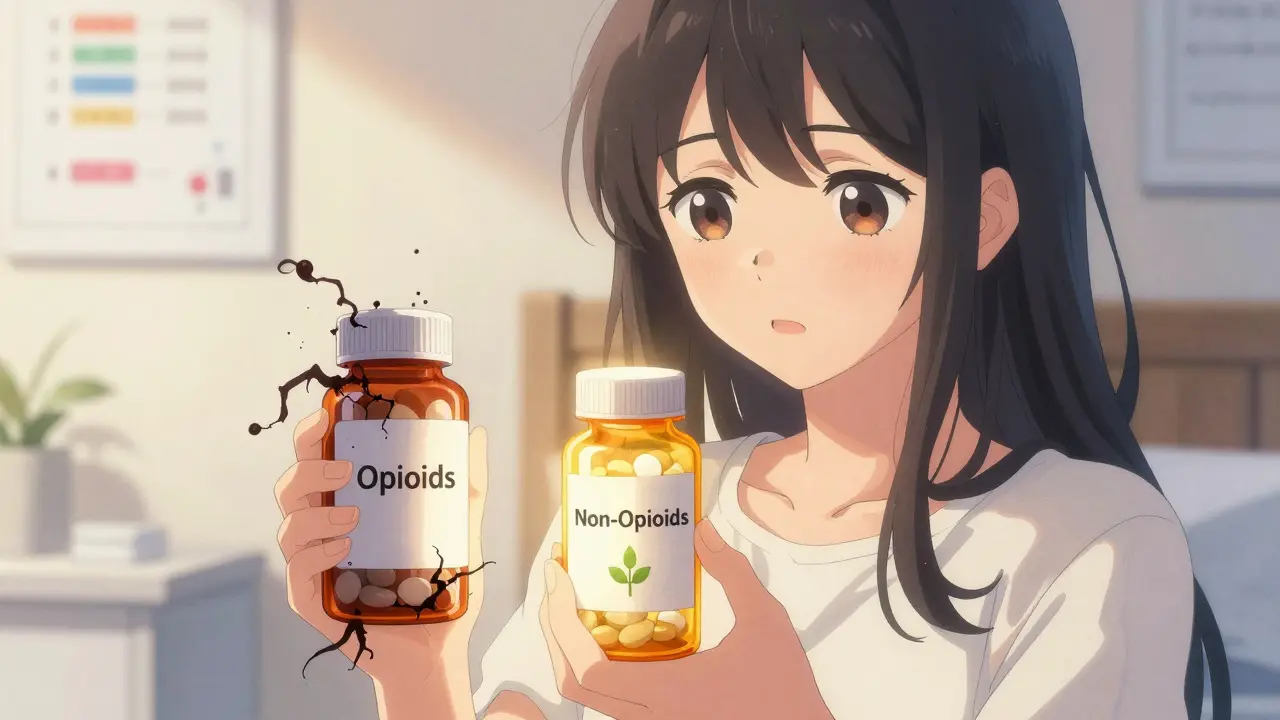
Opioids aren't safer or more effective for chronic pain than non-opioid options - and they carry serious risks. Learn why experts now recommend NSAIDs, acetaminophen, and newer drugs like Journavx as first-line treatments.
Specialty pharmacy handles high-cost, complex drugs for chronic conditions. Generics and biosimilars are changing how these medications are managed-bringing cost savings but also new clinical, logistical, and patient communication challenges.
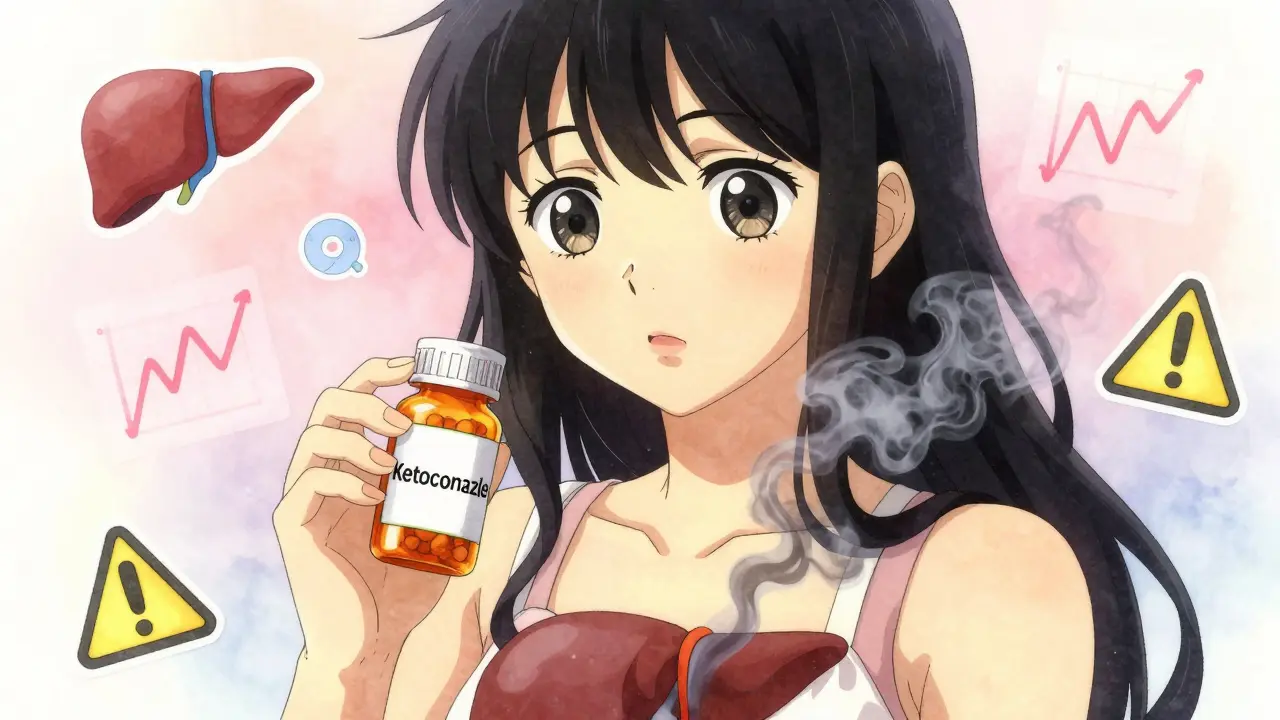
Antifungals can cause serious liver damage, especially ketoconazole, voriconazole, and itraconazole. Learn which drugs are riskiest, how to spot liver injury early, and what drug interactions to avoid.
In 2025, quality assurance in manufacturing is no longer optional-it's a survival tool. Rising costs, skilled labor shortages, and outdated systems are pushing companies to the edge. Here’s what’s really behind the fears-and how to fix it.
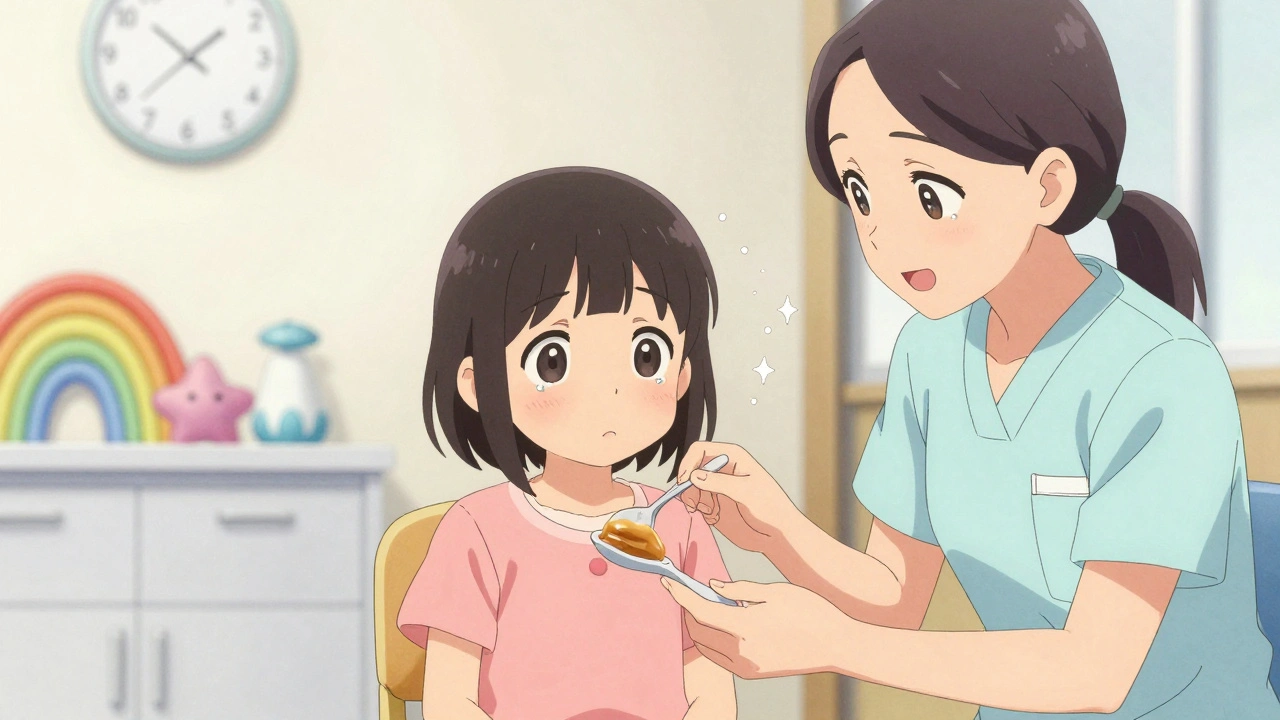
Oral food challenges are the gold standard for diagnosing food allergies, offering definitive results when blood and skin tests are unclear. Learn how they work, how safe they are, and who benefits most.
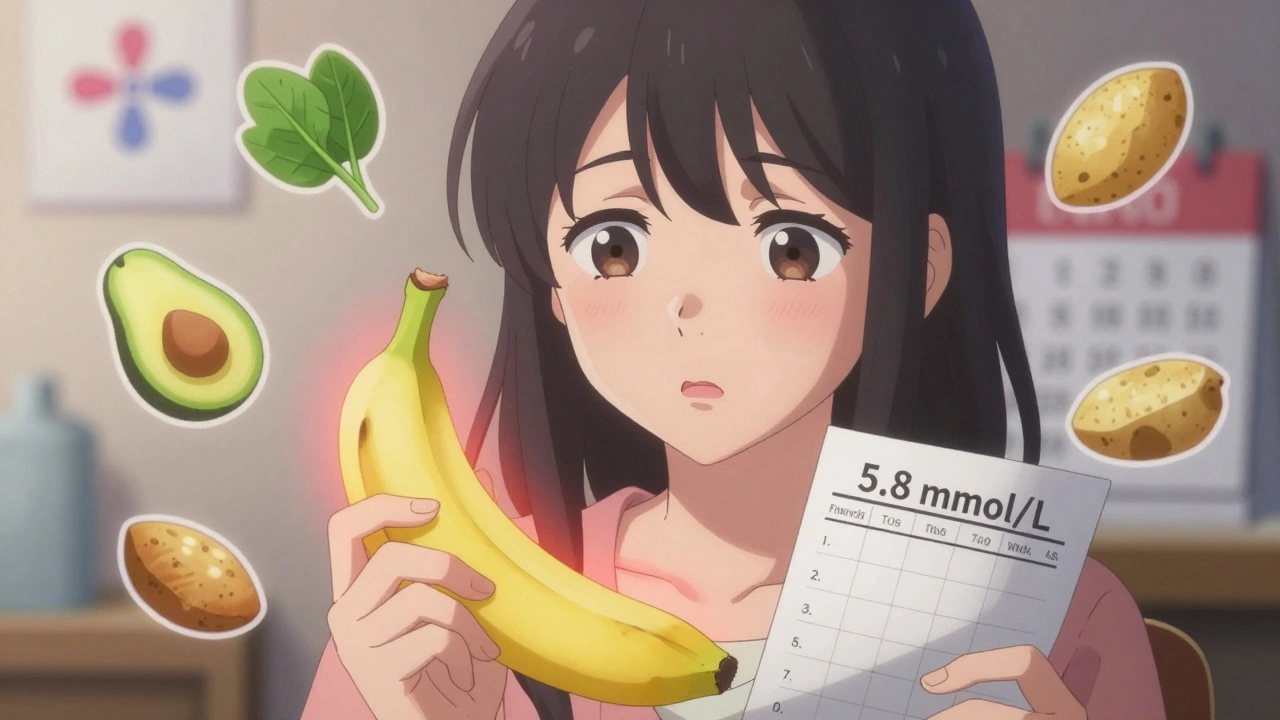
ACE inhibitors help protect your heart and kidneys, but they can raise potassium levels dangerously. Learn which foods to limit, how to monitor your levels, and what to do if your potassium climbs too high.
After a liver transplant, surviving means sticking to your meds and spotting rejection early. Learn the warning signs, why adherence saves lives, and how to stay on track-even when it’s hard.
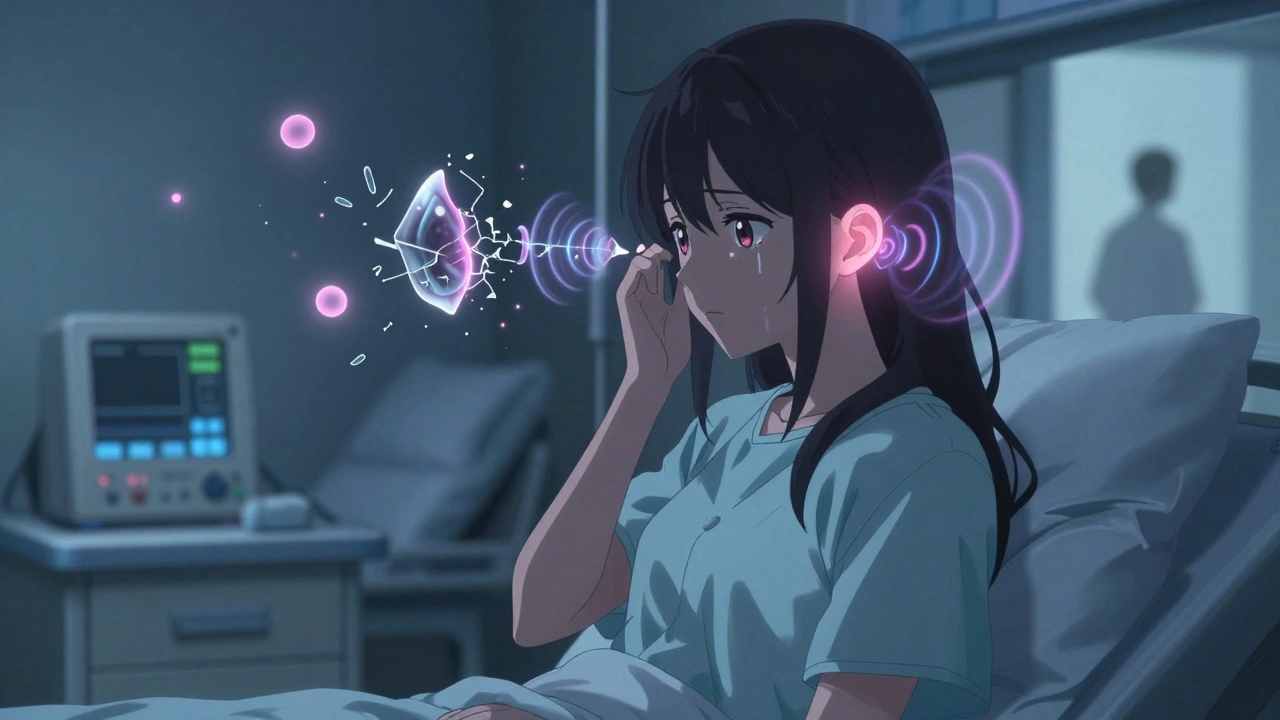
Aminoglycoside antibiotics can cause permanent hearing loss and balance problems in up to half of patients. Learn how these drugs damage the inner ear, who’s most at risk, and what you can do to protect yourself.
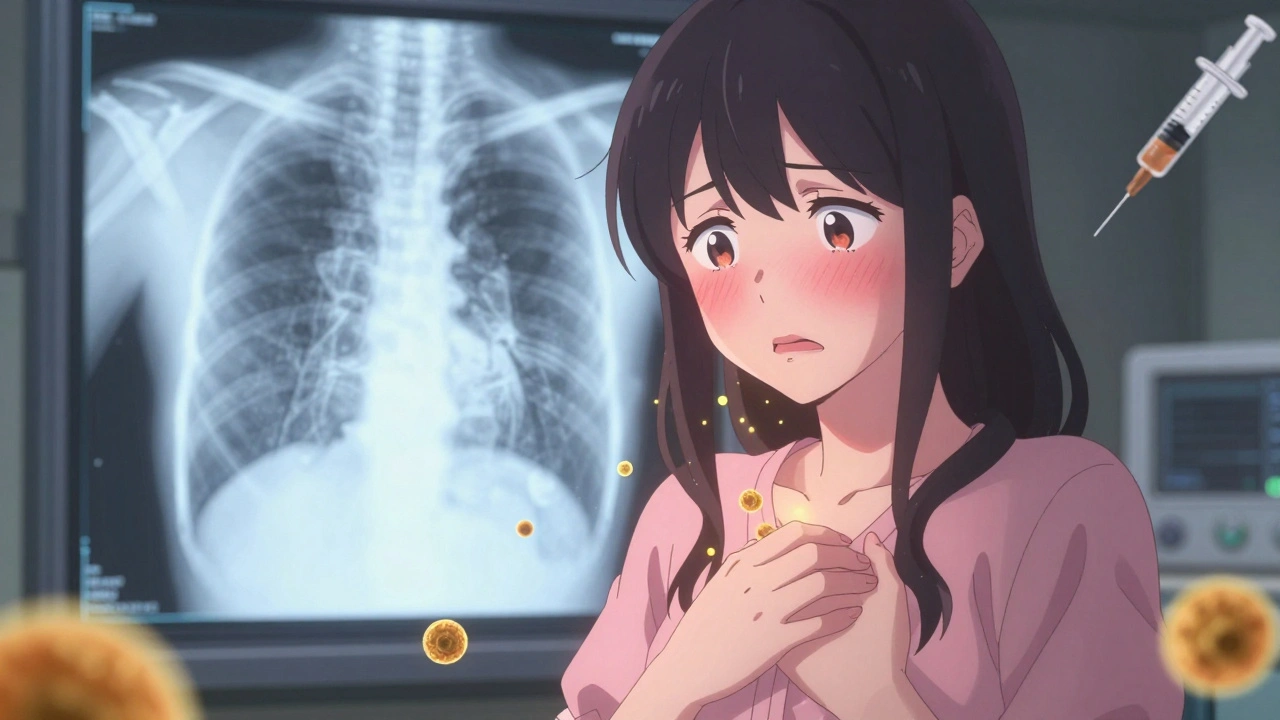
Learn the key differences between bacterial, viral, and fungal pneumonia - from symptoms and diagnosis to treatment and prevention. Know what’s really causing your lung infection.
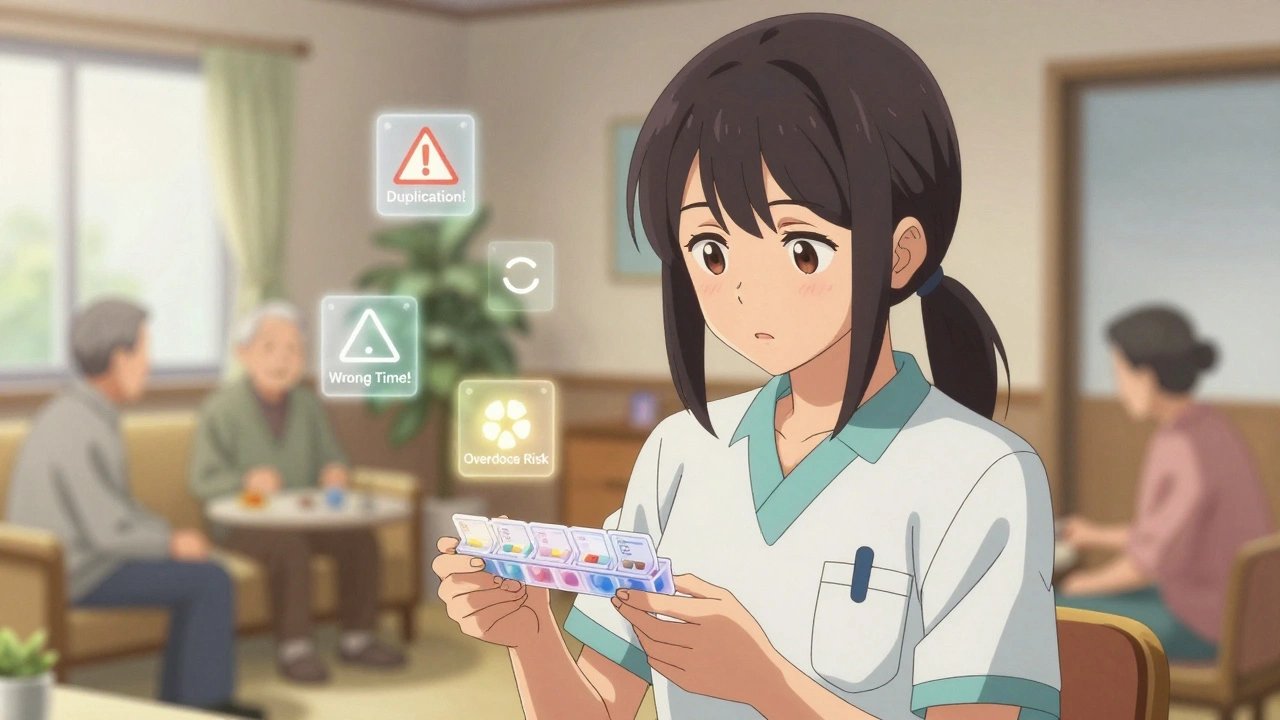
Learn how to spot dangerous medication mistakes in elderly patients, what to do when you find them, and how to report them effectively to protect your loved one’s health and safety.